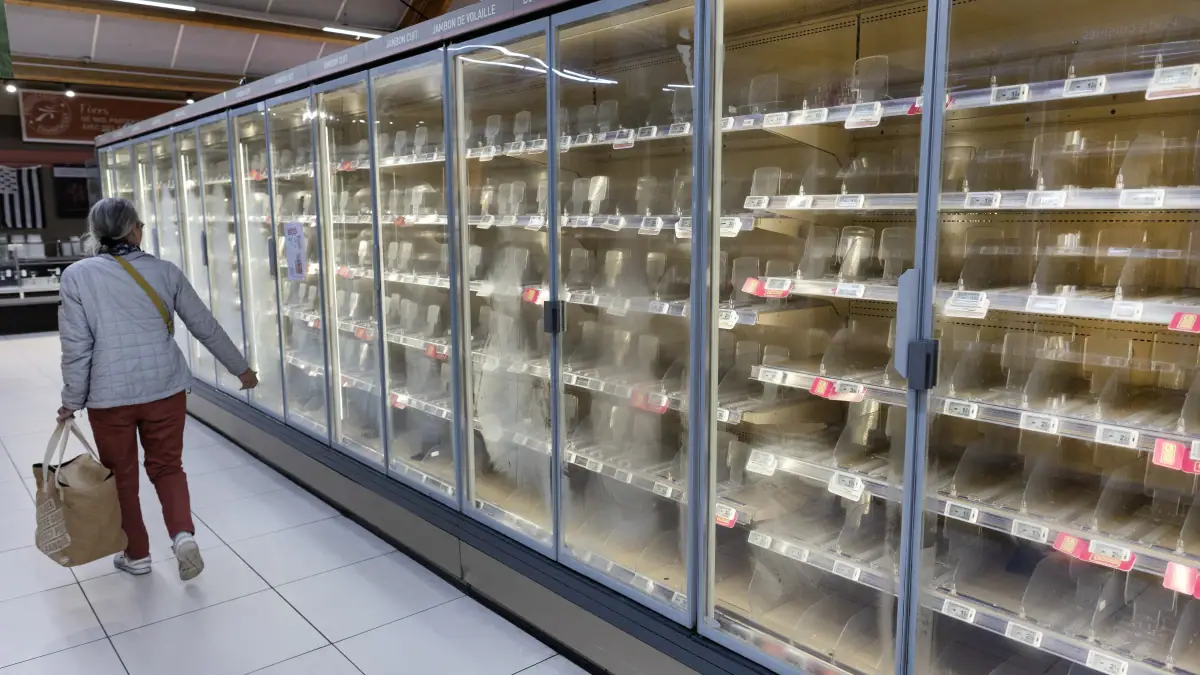
A recent series of cyberattacks has targeted refrigeration systems across the globe, causing significant disruptions to food production and storage facilities. The attacks, linked to Iranian military hackers, have resulted in spoiled food, financial losses, and concerns about the security of critical infrastructure. According to experts, the hackers have used advanced techniques, including artificial intelligence, to breach and manipulate industrial controllers.
The attacks began in May with an incident at a large food production plant in Israel, where hackers caused significant damage to industrial freezers, resulting in spoiled food and costly repairs. The incident was attributed to Iranian military hackers, who have been linked to influence campaigns targeting US elections. Since then, similar attacks have been reported at US military bases, French supermarkets, and food stores in several European countries.
Experts warn that the attacks are becoming increasingly sophisticated, with hackers using AI to rapidly test and exploit vulnerabilities in industrial controllers. The attacks have highlighted the need for governments and companies to address long-standing security challenges in critical infrastructure. According to Josh Corman, a former cybersecurity official, the increasing connectivity of industrial systems to the internet has created new risks.
The hackers have also released propaganda videos, including one that suggests they were motivated by a desire to stoke fear and support the cause of Palestinian children in Gaza. The video, which was shared with NPR, features a masked man typing on a keyboard and revealing hacked surveillance footage of customers and employees at affected supermarkets.
Researchers have been tracking the activities of the hackers, who are known as Cyber Isnaad Front. According to Ari Ben Am, co-founder of Telemetry Data Labs, the group is one of the more technically capable Iranian hacking groups and has been working on behalf of the Iranian military. The group has been linked to previous attacks, including influence campaigns targeting US elections.
The attacks have raised concerns about the potential for future disruptions to critical infrastructure, including water pumps and cooling systems. Experts warn that the next attacks could target temperature-sensitive drugs and laboratory materials, highlighting the need for urgent action to address the security challenges.
The incidents have sparked a renewed focus on cybersecurity and the need for governments and companies to invest in robust security measures to protect critical infrastructure. As the threat landscape continues to evolve, experts stress the importance of collaboration and information-sharing to prevent future attacks.
Key points
- Iranian military hackers have targeted refrigeration systems worldwide, causing food spoilage and financial losses.
- The attacks have highlighted the need for governments and companies to address long-standing security challenges in critical infrastructure.
- The hackers have used advanced techniques, including artificial intelligence, to breach and manipulate industrial controllers.