Decades-long progress in the fight against HIV, tuberculosis, and malaria is facing a new test as cuts in international health financing expose Kenya's continued reliance on external support. The Global Fund's 2026 Results Report shows 2025 was marked by "abrupt and far-reaching cuts in international funding" that severely disrupted lifesaving health programs around the world. Despite the funding shock, countries and partners managed to protect essential services and maintain progress against the three diseases.
The warning is significant for Kenya, where the government has acknowledged the important role played by US-funded programs, including PEPFAR, USAID, and the US Centers for Disease Control and Prevention, in the fight against HIV, TB, and malaria. The report shows just how much of the global response depends on international financing. Since 2002, the Global Fund has invested $28.5 billion in HIV programs, $10.9 billion in TB programs, and $21.4 billion in malaria interventions.
In countries where it invests, AIDS-related mortality has fallen by 84 percent, TB mortality by 60 percent, and malaria mortality by 51 percent over the respective reporting periods. In 2025 alone, Global Fund-supported programs had 26.9 million people on antiretroviral therapy, provided HIV prevention services to 10 million people, and treated 7.4 million people for TB. They also tested 367 million suspected malaria cases, treated 167 million malaria cases, and distributed 196 million insecticide-treated mosquito nets.
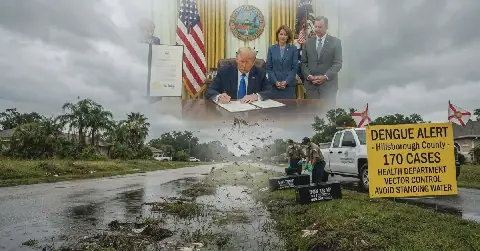
The impact was heavily felt in Kenya when the US temporarily paused foreign assistance in 2025. The Ministry of Health said the funding disruption created gaps in HIV and TB services and prompted efforts to find alternative financing. The government also acknowledged that international financing through PEPFAR and the Global Fund had played a significant role in the country's health sector.
When US funding was reinstated in March 2025, the Ministry of Health flagged off supplies including Nevirapine syrup for HIV treatment, Artesunate for malaria, GeneXpert cartridges for TB diagnosis, and testing kits used for early infant diagnosis and viral-load monitoring. This exposed how quickly interruptions in external financing can translate into pressure on essential commodities.
The Global Fund report says the abrupt decline in international funding has increased the need for HIV, TB, and malaria responses to become "nationally led, nationally financed and less reliant on external support". The Global Fund says it is responding by pushing countries towards greater domestic investment through health-financing dialogues, public-financial-management reforms, and co-financing requirements.
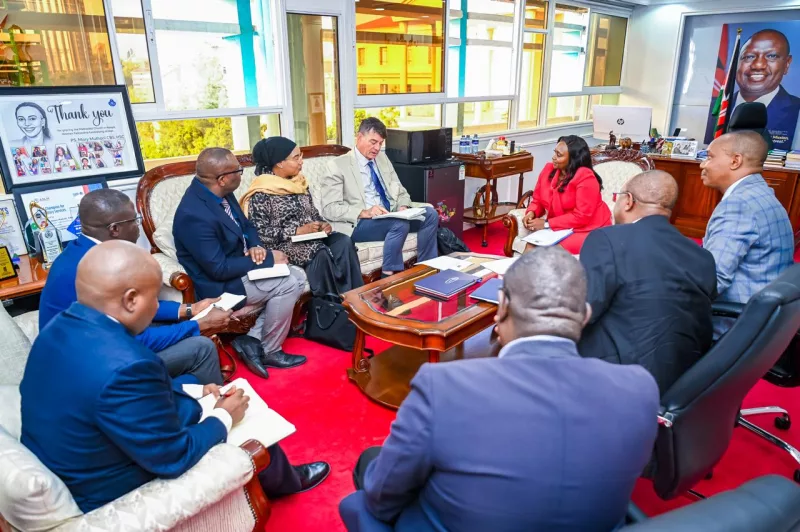
In April, the Ministry of Health said it was committed to increasing domestic resource mobilization amid tightening global health financing while sustaining programs against HIV, TB, and malaria. The Global Fund's latest funding cycle also reflects a constrained international financing environment. The fund approved $10.78 billion in sources of funds for the 2026-2028 allocation period, with a stronger emphasis on prioritization, domestic resources, co-financing, program integration, and sustainable financing.
Key points
- The Global Fund's 2026 Results Report shows that 2025 was marked by "abrupt and far-reaching cuts in international funding" that severely disrupted lifesaving health programs around the world.