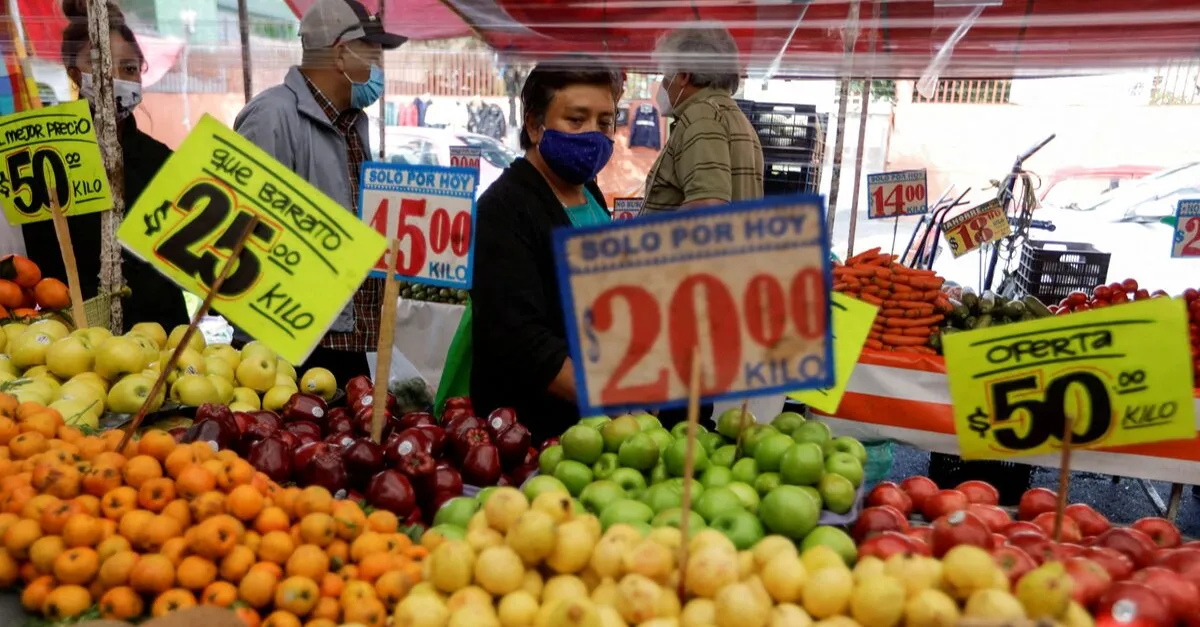
The ongoing conflicts in Ukraine and tensions between Iran and the US have resulted in a substantial increase in global food and energy prices, impacting millions of households worldwide. According to the Al-Qahera News, the wars have caused a sharp rise in the cost of living, pushing many families into poverty and hunger. The main reasons behind the global cost of living crisis are the effects of the conflict in Ukraine and the Iranian-American conflict, which led to the closure of the vital Strait of Hormuz.
The war in Ukraine has significantly impacted global food supplies, with Russia and Ukraine supplying around 30% of the world's wheat and barley, and over half of the world's sunflower oil production. The closure of Ukrainian ports due to the conflict has disrupted the global food supply chain, leading to a sharp increase in food prices. East Africa is one of the most affected regions, with Somalia, for example, importing 90% of its wheat from Russia and Ukraine.
The Strait of Hormuz is a critical waterway for global oil and gas supplies, and its closure has caused significant disruptions to global trade. The strait is also a vital route for the transportation of food and raw materials, including fertilizers. The reduction in fertilizer supplies has led to an increase in bread, pasta, and potato prices, as well as the cost of animal feed.
The global economy has been affected by the ongoing conflicts, with the Organization for Economic Cooperation and Development reporting an annual inflation rate of 4.1% in July 2026. Most G7 countries, except for Italy and the US, have seen an increase in inflation, with the highest increases recorded in Germany and the UK.
In the eurozone, the annual inflation rate has risen to 3.0% in July, driven by an increase in energy prices. The European Union's statistical office, Eurostat, has estimated that the inflation rate will rise further to 3.2% in August 2026. The G20 countries have seen a decline in inflation, with China's inflation rate halving to 0.5% in July.
Economists have warned that the global economy's recovery and growth are threatened by financial constraints, rising living costs, and uncertainty surrounding investments in artificial intelligence. A survey by the World Economic Forum found that 56% of economists expect stability or improvement in the next year, but 79% warned of a significant backlash against the expansion of data centers.
The ongoing conflicts and disruptions to global trade are expected to continue to drive up living costs, with 88% of economists predicting an increase in food prices, 83% expecting a rise in electricity costs, and 77% forecasting an increase in transportation costs.
Key points
- The ongoing conflicts in Ukraine and tensions between Iran and the US have led to a significant increase in global food and energy prices.
- The closure of Ukrainian ports and the Strait of Hormuz has disrupted global food and oil supplies, driving up prices.
- The global economy is expected to continue to face challenges due to the ongoing conflicts and disruptions to global trade.