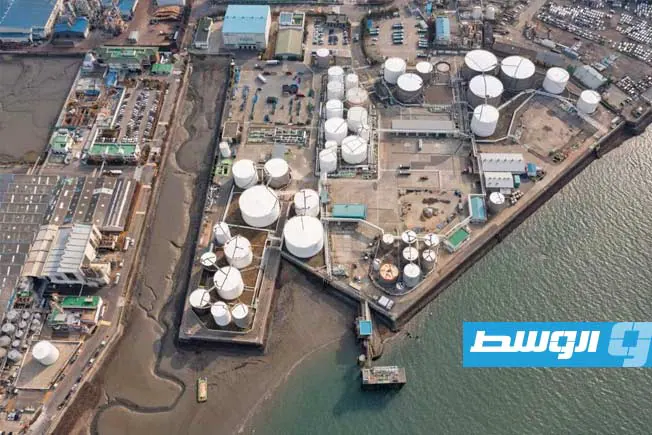
A report by S&P Global predicts that global energy demand will rise by over 60% by 2060, equivalent to adding China's current energy consumption to global demand. This growth is attributed to increasing demand from emerging economies, such as Brazil, India, Nigeria, and Indonesia, as they expand their energy production and imports to keep pace with rapid economic growth.
The report notes that meeting this growing demand will require a diverse range of energy sources, despite efforts by emerging economies to expand their renewable energy capacities. This means that oil and gas will continue to play a significant role for a longer period than some anticipate. The growth in energy demand is occurring as China becomes the largest producer of clean energy infrastructure, including equipment that will support future growth in developing economies.
Several emerging economies have made significant strides in renewable energy, with countries such as Brazil, Chile, El Salvador, Morocco, Kenya, and Namibia achieving progress in transitioning to clean energy at a faster pace than the United States. By the end of 2025, 63% of emerging economies in Africa, Asia, and Latin America were generating a larger share of their electricity from solar power compared to the United States.
However, the expansion of renewable energy sources does not mean that they will replace all other energy sources in emerging economies. According to Dan Yergen, Vice Chairman of S&P Global, growth in energy demand will be met through a "diversity of energy sources," with renewable energy playing a significant part, but also with potential increases in coal usage, and continued reliance on oil and gas.
The continued reliance on fossil fuels poses a challenge to achieving emissions reduction goals and addressing climate change, particularly as energy demand grows in developing countries. Emerging economies are hesitant to leapfrog traditional energy development and transition directly to fully renewable energy grids, citing the historical reliance on fossil fuels by developed countries before adopting emissions reduction policies.
Developed countries have pledged to contribute to financing efforts to decarbonize in poorer countries, but a history of unfulfilled climate finance commitments raises concerns. The report's findings highlight the complexities of the global energy landscape and the need for a balanced approach to meeting growing energy demand while addressing climate change concerns.
Key points
- Global energy demand is projected to rise by over 60% by 2060.
- Emerging economies will drive growth in energy demand, with renewable energy playing a significant role.
- Meeting growing energy demand will require a diverse range of energy sources, including oil, gas, and coal.