The Organisation for Economic Co-operation and Development (OECD) has released its quarterly report on the global economy, stating that the growth rate has slowed but remains resilient. The global economy is expected to grow at 2.9% in 2026, a slight increase from the previous forecast of 2.8%. This growth rate is lower than last year's 3.4% growth, mainly due to higher energy prices and inflation.
The OECD attributes the resilience of the global economy to various factors, including government support measures, the use of substitute raw materials, and the dynamism of activities related to artificial intelligence (AI). The organization also notes that the growth rate is expected to reach 3% in 2027, driven by a gradual decline in energy prices and a decrease in inflation.
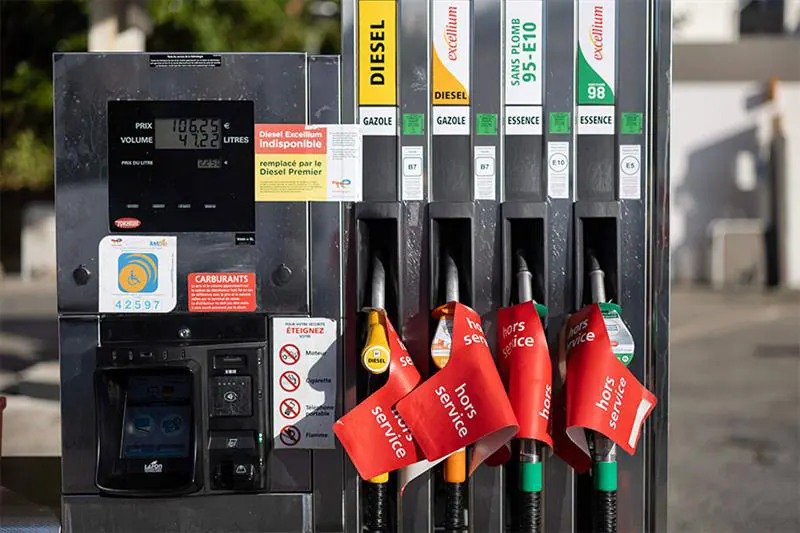
However, the OECD warns that the economic outlook remains uncertain, largely due to the ongoing conflict in the Middle East and its impact on oil and gas distribution. The conflict has led to increased volatility in oil prices, which have recently fallen below $100 per barrel due to hopes of diplomatic progress.
The OECD also highlights the risks associated with the high level of government debt and the potential need for further monetary policy adjustments. The organization advises governments to implement targeted and temporary support measures to mitigate the impact of high energy prices and to maintain fiscal discipline.
The OECD has revised its growth forecast for France, the second-largest economy in the eurozone, downward to 0.4% in 2026. The organization's forecast for the eurozone as a whole is 1%, driven by growth in Germany and other countries. The OECD also notes that the US economy is expected to grow at 2.2% in 2026 and 2.1% in 2027.
The global economy also faces potential risks from extreme weather events, including the El Niño phenomenon, which is expected to have a significant impact on agricultural production and food prices. The OECD warns that this could lead to increased inflation and economic instability.
In conclusion, while the global economy has shown resilience in 2026, uncertainty remains due to various factors, including the ongoing conflict in the Middle East and rising energy prices. The OECD's forecast of 2.9% growth in 2026 and 3% in 2027 is subject to risks, and governments must remain vigilant and implement targeted support measures to mitigate these risks.
Key points
- The global economy is expected to grow at 2.9% in 2026, slightly higher than previously forecast.
- The OECD warns that the economic outlook remains uncertain due to the ongoing conflict in the Middle East and rising energy prices.
- The organization advises governments to implement targeted and temporary support measures to mitigate the impact of high energy prices and to maintain fiscal discipline.