The global economy has demonstrated remarkable resilience in the face of a historic oil shock, triggered by the Middle East conflict. Despite a significant disruption to global oil supplies, the world economy has so far avoided a steep downturn. According to the World Bank, consensus forecasts put global growth at about 2.6 percent in 2026, close to initial expectations. This resilience is noteworthy, given that similar oil shocks in the past often led to severe economic downturns.
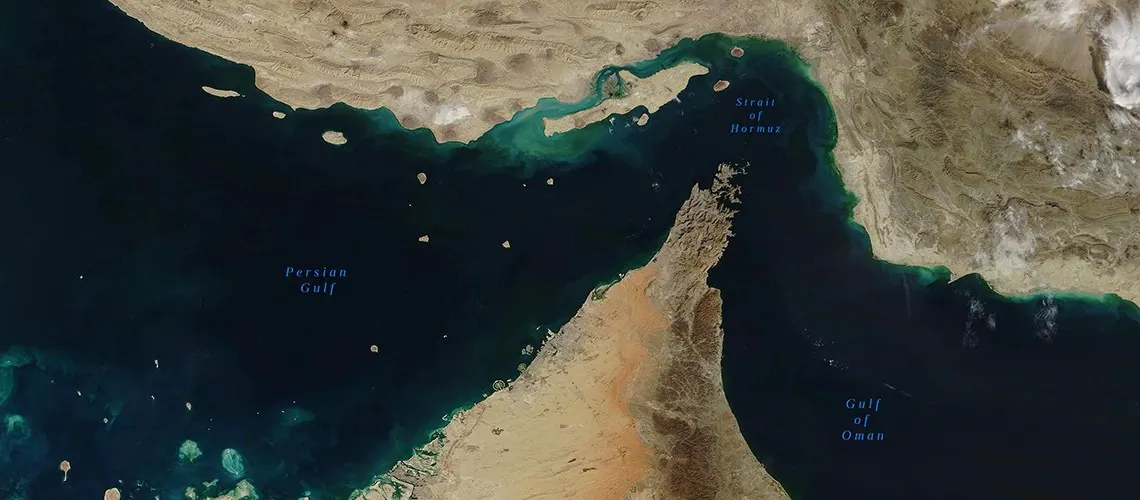
The conflict has had a profound impact on energy and financial markets. Oil prices surged initially, reaching nearly US$120 a barrel, before retreating to near pre-conflict levels in June. However, prices have recently approached their previous highs, driven by ongoing closures of the Strait of Hormuz and renewed pressure on energy and commodity prices. Financial markets have followed a different trajectory, with equities rebounding strongly after the April ceasefire, driven in part by optimism about Artificial Intelligence.
The outlook for growth and inflation has undergone significant changes since January. Consensus forecasts for global growth in 2026 have fallen by only 0.1 percentage point, while inflation forecasts have risen by about 0.8 percentage point, to 3.4 percent. In emerging markets and developing economies (EMDEs), projected inflation has increased from 3.3 percent to nearly 4.2 percent. The growth picture is more concerning outside the largest EMDEs, with growth in EMDEs excluding China and India forecast to slow from 3.0 percent in 2025 to 2.5 percent in 2026.
Several factors have contributed to the global economy's resilience. Energy markets adjusted rapidly, with inventories drawn down and producers outside the conflict region increasing exports. Governments acted quickly, conserving energy, using strategic reserves, and switching to alternative sources, including renewables and coal. Many developing economies introduced fuel subsidies, price caps, and other measures to shield households and businesses. International financial institutions, including the World Bank Group, made significant funding available to support countries.
The World Bank Group has made US$50 billion to US$60 billion available to help countries protect vulnerable households, strengthen public finances, and provide capital and liquidity to businesses. If conditions deteriorate further, it has room to scale up that support to US$80 billion to US$100 billion over 15 months. Additionally, AI investment has become a powerful engine of global demand, with large-scale capital spending in the United States supporting activity and trade.
Many EMDEs entered the crisis with stronger policy frameworks than they had during earlier shocks. More of these economies now use inflation targets and fiscal rules, and many have larger foreign currency reserves, deeper local capital markets, and more credible central banks. These strengths have helped some economies retain investor confidence. However, the latest shock hit economies already weakened by the pandemic, supply disruptions, and geopolitical tensions.
The long-term consequences of these successive shocks are already visible, with depleted fiscal buffers and higher debt in many EMDEs. Rising global interest rates are making that debt more expensive to refinance and service, creating a vicious cycle. High debt and tighter financing conditions restrict public and private investment, limiting productivity and growth. Governments are left with less room to respond when the next crisis arrives, underscoring the need for continued vigilance.
Key points
- The global economy has withstood a historic oil shock, but inflation and borrowing costs are rising.
- Four factors have contributed to the global economy's resilience: rapid energy market adjustments, government interventions, AI investment, and stronger policy frameworks in EMDEs.
- The long-term consequences of successive shocks are already visible, with depleted fiscal buffers and higher debt in many EMDEs.