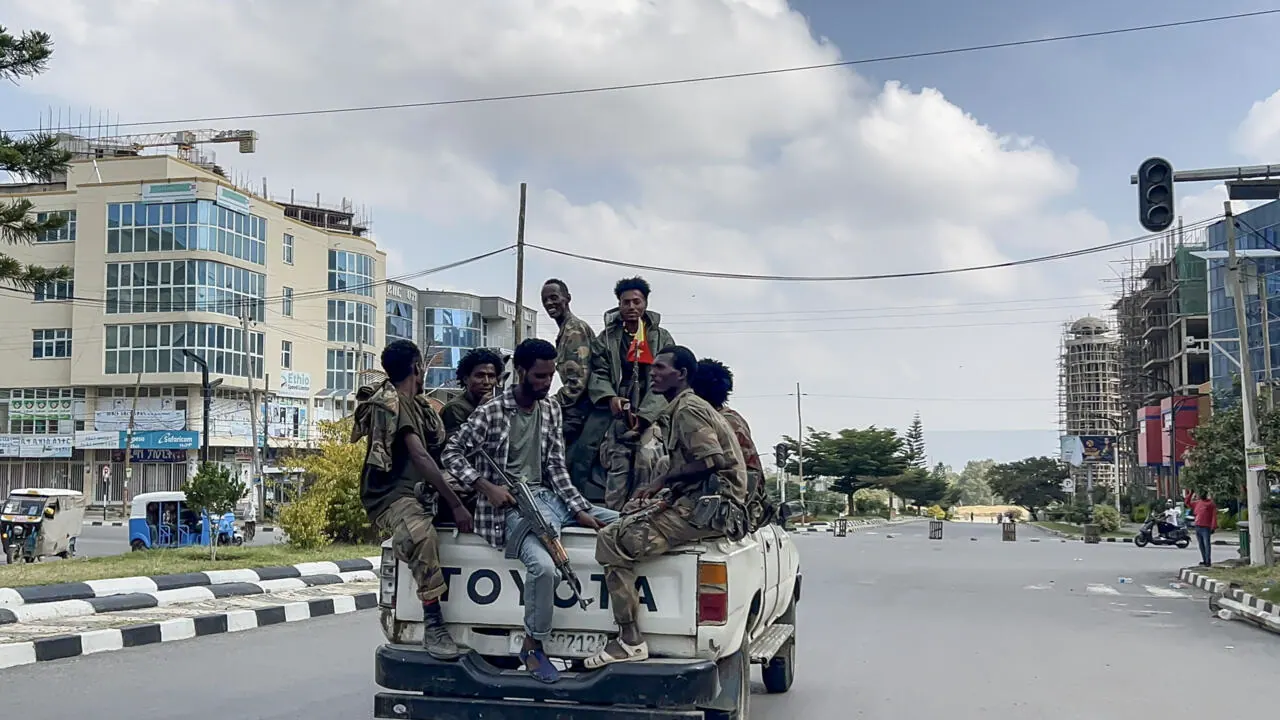
Ethiopian federal forces have taken control of the Tigray rebel group's regional capital, Mekelle, after the Tigray People's Liberation Front (TPLF) withdrew its forces from the city. The government advance came as Ethiopia's regional rivals, including Eritrea and Sudan, met in the Egyptian coastal city of El-Alamein to discuss the risk of a wider war. The TPLF and federal forces began fighting again on September 23, sparking fears of a return to the devastating civil war of 2020-2022.
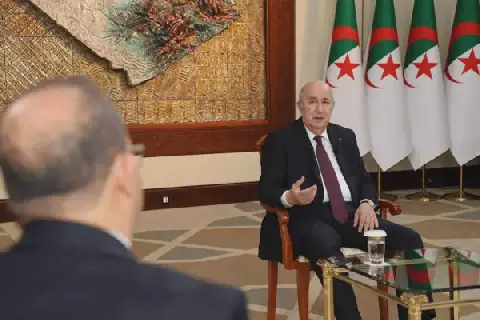
The presidents of Egypt, Somalia, Sudan, and Eritrea – all of whom have difficult relations with Ethiopia – met in El-Alamein on Sunday, calling for regional disputes to be settled through peaceful means. They also stressed the necessity of respecting the rules of international law, the principles of good neighbourliness, and non-interference in the internal affairs of states in the Horn of Africa. Ethiopia has accused Eritrea of directly backing the Tigray rebels, with the added support of Sudan and Egypt, which all three countries deny.
On Sunday, federal troops were patrolling Mekelle and manning key institutions, a local journalist told AFP, as communications were restored for the first time in more than a week. Shops and businesses remained closed, with owners having moved stock to safer locations ahead of time, fearing looting and vandalism. Residents reported that there were no police, and they had to organise themselves to take care of security.
The TPLF's leader, Debretsion Gebremichael, has implied that the group would continue guerrilla-style attacks, as it did when Mekelle fell to government forces in 2020 during the last war. Their insurgent campaign ultimately led to the TPLF retaking the city the following year. Debretsion stated that the group operates under a strategy to strike the enemy wherever they choose.
A joint statement released after Sunday's talks in Egypt expressed the countries' complete rejection of any unilateral measures that could harm the existing water use of downstream states. This comes against the backdrop of Egypt's long-running dispute with Ethiopia over the Grand Ethiopian Renaissance Dam (GERD) on the Blue Nile. Cairo and Khartoum have for years sought a legally binding agreement governing the dam's operation, citing concerns over water security.
The TPLF ruled all of Ethiopia from 1991 until 2018, when it was marginalised with the rise of Prime Minister Abiy Ahmed, who hails from the Oromia region. The tensions led to a civil war from 2020 to 2022 that killed more than 600,000 people, according to the African Union, making it one of the deadliest conflicts in the world in recent times. The Pretoria peace agreement of 2022, brokered by African institutions and Washington, was never fully implemented but still helped keep a degree of peace until last year.
There are growing fears that the fighting could spill over the border into Eritrea, which shares a long border with the Tigray region and is most directly involved in the conflict. Eritrea accuses landlocked Ethiopia of planning to invade and seize access to its coastline. Analysts say it has backed the rebels in Ethiopia to try to keep the conflict away from its border.
Key points
- Ethiopian federal forces have taken control of the Tigray rebel group's regional capital, Mekelle.
- Regional rivals, including Eritrea and Sudan, met in Egypt to discuss the risk of a wider war.
- The conflict has sparked fears of a return to the devastating civil war of 2020-2022.