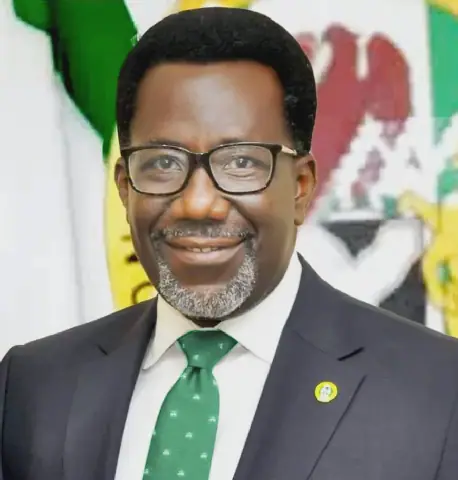
The Ghana Health Service (GHS) has called on journalists to utilize the Community Scorecard (CSC) to amplify community voices and promote accountability in healthcare delivery. Dr. Samuel K. Boakye-Boateng, Director of Policy, Planning, Monitoring and Evaluation Division of the GHS, made the appeal at a virtual engagement with journalists on the Community Scorecard Project in Ghana. He emphasized the media's crucial role as a bridge between communities, health managers, policymakers, and the public.
The Community Scorecard, developed in 2018 by the Ministry of Health and the GHS with support from the African Leaders Malaria Alliance (ALMA), provides a platform for communities and health service providers to assess healthcare experiences and agree on practical actions for improvement. Dr. Boakye-Boateng explained that the scorecard captures clients' experiences, including whether clients were treated with respect, waiting times were reasonable, and health facilities were accessible, clean, and safe.
At the Community-based Health Planning and Services (CHPS) level, communities assess services quarterly across nine indicators and develop Community Health Action Plans to address identified concerns. The scores and action plans are recorded in the District Health Information Management System (DHIMS2) and the Community Scorecard web platform to facilitate monitoring and follow-up. This enables communities to mobilize resources to improve infrastructure and waste management, while health teams respond to concerns about access to services.
Dr. Boakye-Boateng stressed that the value of the scorecard lies not only in the color assigned to an indicator but also in the action taken after concerns have been identified. He encouraged journalists to investigate the experiences of communities, explanations provided by health facilities, actions agreed upon, and whether those actions resulted in improvements. This, he believes, will help sustain public interest in healthcare delivery.
The GHS is working to make community feedback a routine part of health service management rather than a stand-alone project. Dr. Boakye-Boateng assured the media of the GHS's commitment to engaging openly with journalists by providing information and clarification, sharing evidence, explaining challenges, and reporting on progress. This will enable journalists to play a critical role in promoting accountability and transparency in healthcare delivery.
Dr. Charity Binka, Executive Director of the African Media and Malaria Research Network (AMMREN), noted that many journalists have been engaged on the project since 2024 to enhance its visibility and encourage community participation. The engagement aims to achieve the objectives of the scorecard and promote community participation in healthcare delivery.
The Ghana Health Service's initiative aims to improve healthcare delivery by incorporating community feedback and promoting accountability. By working with journalists and communities, the GHS hopes to sustain public interest in healthcare delivery and ultimately improve the quality of healthcare services in Ghana.
Key points
- The Ghana Health Service urges journalists to use the Community Scorecard to amplify community voices and promote accountability in healthcare delivery.
- The Community Scorecard provides a platform for communities and health service providers to assess healthcare experiences and agree on practical actions for improvement.
- The GHS is working to make community feedback a routine part of health service management rather than a stand-alone project.