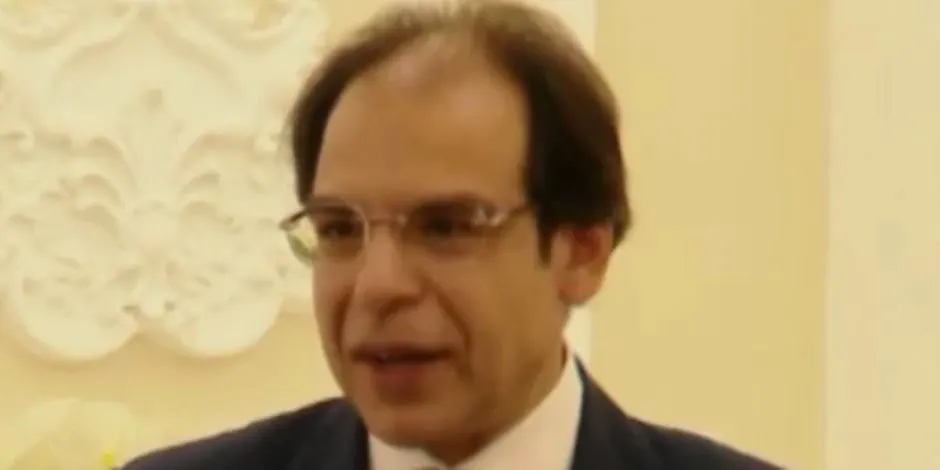
Dr. Mohamed El-Gendy, an international cybersecurity expert, has expressed concerns about the impact of social media on the awareness and information gathering methods of Egypt's younger generations, specifically those belonging to generations Z and Alpha. These groups, having grown up in the era of widespread social media usage, face significant challenges in forming their awareness and obtaining information due to their reliance on short-form digital content.
According to El-Gendy, some members of these younger generations were not present during pivotal events such as those that occurred in 2011, but rather learned about them later through videos and content shared on social media platforms. This has raised concerns about the potential for misinformation or the presentation of events out of context, which can distort their understanding of historical and current events.
El-Gendy pointed out that the continuous exposure of young people to mechanisms such as endless scrolling and notifications affects their ability to focus for extended periods. This, in turn, impacts their capacity for reading, analysis, and critical thinking. He emphasized the need for containment and education on how to think, verify information, and analyze it differently, rather than leaving them exposed to a constant stream of content on digital platforms.
The widespread use of short video clips like "Reels" and "Shorts" has altered the viewing habits of a segment of young people, making it difficult for some to engage with longer content. El-Gendy stressed the importance of understanding how new generations use technology as a crucial step in dealing with them. He highlighted the necessity of enhancing reading, analysis, and critical thinking skills among young people to help them distinguish between accurate information and misleading content.
El-Gendy's statements underscore a growing concern about the influence of social media on the younger population in Egypt. As these platforms continue to evolve, there is an increasing need for strategies that promote media literacy and critical thinking among young people. This would enable them to navigate the digital landscape more effectively and make informed decisions.
The issue at hand is not unique to Egypt, as similar concerns are being raised globally about the impact of social media on younger generations. However, the specific context and challenges faced by Egyptian youth may require tailored approaches that take into account the country's cultural, educational, and socio-economic factors.
As the debate continues, stakeholders, including educators, policymakers, and technology experts, are urged to collaborate on finding effective solutions to support young people in navigating the digital world. By working together, it may be possible to mitigate the negative impacts of social media and foster a more informed, critically thinking, and digitally literate population.
Key points
- Dr. Mohamed El-Gendy calls for urgent intervention to guide Egypt's younger generations.
- Social media is significantly impacting the awareness and information gathering methods of generations Z and Alpha.
- There is a need for enhanced media literacy and critical thinking skills among young people.