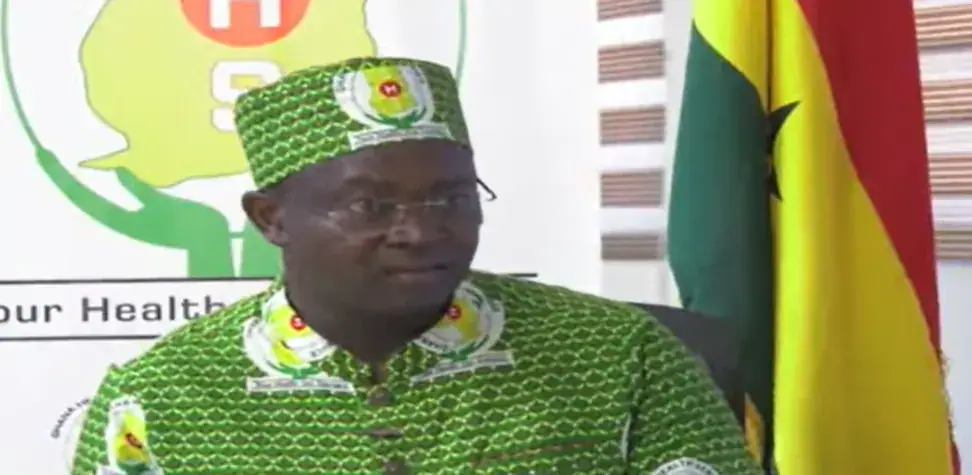
The Director-General of the Ghana Health Service (GHS), Dr. Samuel Kaba Akoriyea, has issued a warning to health workers in Ghana against publicly announcing suspected disease outbreaks without proper authorization and confirmation. This caution was given to emphasize the importance of accurate communication in preventing unnecessary fear and anxiety among the public. Dr. Akoriyea stressed that health professionals must exercise caution when sharing information about diseases with the public.
Dr. Akoriyea's comments were made during a discussion on TV3's Hot Issues on Sunday, November 1, 2026. He highlighted the challenges of correcting public perceptions once initial suspicions have been disproved by laboratory results. According to him, premature announcements can have lasting consequences, even when subsequent tests return negative results. This, he noted, can undermine public trust and confidence in the healthcare system.
The GHS Director-General emphasized that health staff should not pronounce any disease without the requisite and required authorization and accuracy to the public. He urged health workers to ensure that information about suspected diseases is properly verified and authorized before being communicated publicly. This, he believes, will help prevent the spread of misinformation and minimize public anxiety.
Dr. Akoriyea cited the example of yellow fever testing to illustrate the potential consequences of premature announcements. He noted that if health staff announce that they are checking on yellow fever and people are dying, the public may believe it, even when the tests eventually return negative results. This, he stressed, can make it difficult to retract the initial statement and correct public perceptions.
The Director-General's warning is aimed at promoting responsible communication among health workers in Ghana. He encouraged health professionals to be mindful of the potential impact of their words on the public and to prioritize accuracy and authorization in their communication. By doing so, he believes that the healthcare system can maintain public trust and confidence.
The issue of premature announcements by health workers has significant implications for public health in Ghana. Inaccurate or unauthorized information can lead to unnecessary fear, anxiety, and social disruption. It can also undermine efforts to control and prevent the spread of diseases. Dr. Akoriyea's warning is a timely reminder of the importance of responsible communication in the healthcare sector.
The Ghana Health Service is taking steps to promote responsible communication among health workers. Dr. Akoriyea's warning is part of a broader effort to ensure that health professionals are equipped with the skills and knowledge needed to communicate effectively with the public. By prioritizing accuracy and authorization, the healthcare system can maintain public trust and confidence and promote a culture of responsible communication.
Key points
- Dr. Samuel Kaba Akoriyea warns health workers against prematurely announcing suspected disease outbreaks without authorization.
- Premature announcements can create unnecessary fear and anxiety, and can be difficult to retract even when subsequent tests return negative results.
- Health workers are urged to ensure that information about suspected diseases is properly verified and authorized before being communicated publicly.