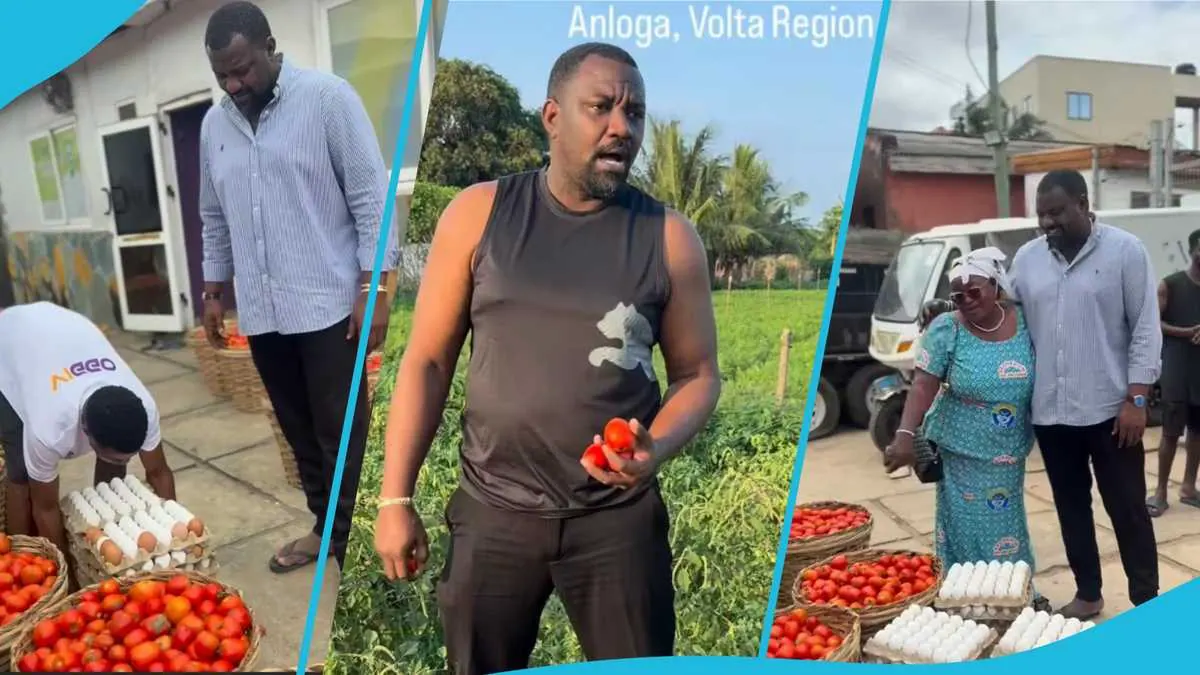
In a move to support struggling farmers in Anloga, Ghana, Member of Parliament for Ayawaso West Wuogon, John Dumelo, recently traveled to the area to purchase surplus tomatoes. The farmers had been overwhelmed by unsold stock, and Dumelo's intervention provided them with a much-needed market for their produce. He shared details of the trip on Facebook on September 20, 2026, explaining that the farmers had complained about the glut and that he had gone over to help.
The tomato glut in Anloga is a recurring problem that has been affecting farmers in the area for some time. According to reports from the Ghana News Agency dated September 17, 2026, tomato farmers in the Anloga-Avume area had already gone public, calling for buyers and government intervention over the surplus. The region, known as Ghana's tomato belt, has long struggled with a mismatch between harvest volumes and the market's ability to absorb them.
The lack of adequate cold storage or nearby processing plants in the area means that farmers are often forced to sell at throwaway prices or watch tomatoes rot in the field when yields peak. Dumelo's one-off purchase provided some relief to the farmers, but a more sustainable solution is needed to address the issue. The MP's intervention highlighted the need for a more robust supply chain to support tomato farmers in the region.
Beyond the one-off purchase, Dumelo announced plans to build a tomato processing factory in Anloga, targeted for completion next year. A processing factory would give farmers a buyer for surplus tomatoes that can be converted into paste or other products, rather than leaving them dependent on fresh-market sales that dry up quickly once supply outpaces demand.
The immediate effect of Dumelo's visit was a market for tomatoes that might otherwise have gone unsold. For pupils in Ayawaso West Wuogon benefiting from the school feeding programme, it meant a fresh supply of tomatoes reaching caterers. The programme will benefit from the fresh produce, and the farmers were able to recover some of their losses.
The episode underscores a supply-chain gap that affects tomato farmers well beyond Anloga: without processing capacity or reliable buyers built into the system, gluts are likely to keep recurring at harvest time. The lack of infrastructure and support for farmers in the region can have significant economic and social impacts, and addressing these challenges will require a coordinated effort from government agencies, private sector actors, and other stakeholders.
Dumelo has said the Anloga processing factory should be operational by next year, though no further details on funding, capacity, or exact timeline have been made public. It remains unclear whether government agencies or other partners will be involved in the project alongside Dumelo's constituency initiative. The success of the project will depend on various factors, including the level of support from stakeholders and the effective implementation of the plan.
Key points
- Ghanaian MP John Dumelo buys tomatoes from Anloga farmers affected by glut.
- Dumelo pledges to build a processing factory to prevent future surpluses.
- The tomato glut in Anloga highlights a supply-chain gap affecting farmers in the region.