Ghanaian football is at a critical juncture, with the Black Stars, once a dominant force in African and world football, now a shadow of their former selves. The recent painful defeat to The Gambia on home soil in the 2027 Africa Cup of Nations (AFCON) qualification campaign has highlighted the crisis. This downturn is not just about players or coaches but a deeper issue of administration, planning, infrastructure, and accountability.
A major weakness of Ghanaian football is the lack of a coherent, long-term national development plan. The Ghana Football Association (GFA) often focuses on short-term ambitions rather than a clearly defined strategy. The GFA should be the strategic architect of football development with measurable objectives, not just an institution for organizing competitions and appointing national team coaches.
Conflict of interest is another serious concern in Ghanaian football. Influential administrators with financial interests in clubs undermine public confidence. Strong conflict of interest rules, transparency, and independent oversight are essential. Additionally, interference in national team selection must be avoided, with selection remaining the responsibility of technical personnel based on merit, performance, fitness, and tactical requirements.
The struggling domestic league is another significant challenge. Ghana's Premier League, once vibrant, now struggles to attract crowds and investment due to inadequate stadium facilities, limited television coverage, financial instability, and uncompetitive player remuneration. The situation presents a troubling contradiction: clubs struggle financially while football administration faces criticism over expenditure and bonuses.
To restore public confidence, greater transparency is necessary, particularly in financial matters. The domestic league must become an attractive product with properly maintained stadiums, competitive player salaries, and enforceable contracts. The GFA and clubs must pursue credible corporate sponsorship and improved broadcasting through innovative commercial partnerships.
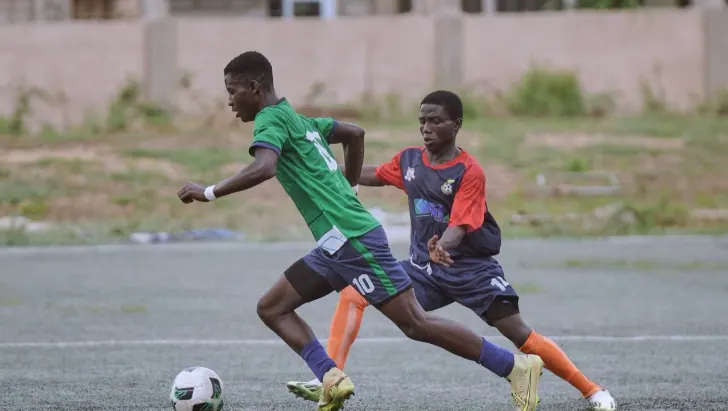
A coordinated pathway for identifying and nurturing young footballers is also lacking. Ghana has abundant talent, but a structured system connecting schools, juvenile clubs, regional associations, professional clubs, and National Youth teams is needed. The Colts football system should be the foundation of national development, with youth competitions requiring continuity, qualified coaches, and adequate facilities.
Ghana can learn from examples like Morocco's approach, demonstrated by the Muhammad VI Football Academy, which shows what sustained investment in young talent can achieve. The GFA must develop a 10-year National Football Development Strategy involving the Ministry of Sports, National Sports Authority, educational institutions, clubs, and private investors to revolutionize leadership, vision, and accountability in Ghanaian football.
Key points
- Ghanaian football needs a revolution in leadership, vision, and accountability.
- The GFA must develop a 10-year National Football Development Strategy.
- Transparency and conflict of interest rules are essential for restoring public confidence.