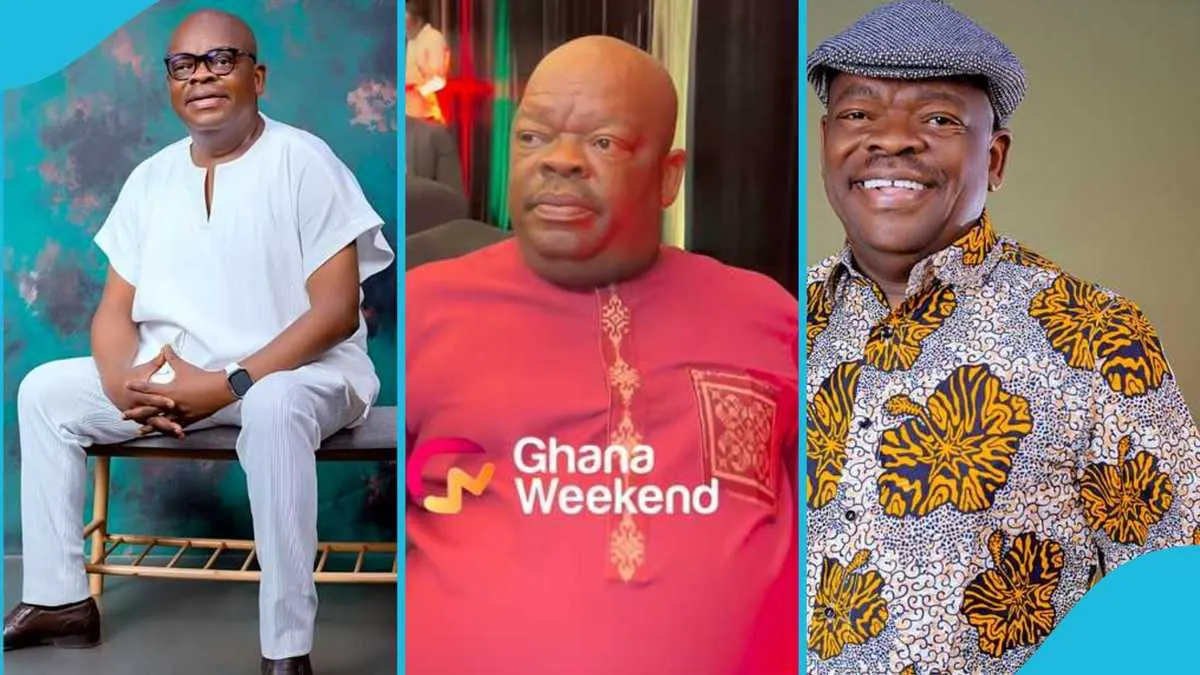
Ghanaian actor Kwame Dzokoto has publicly denied online rumors suggesting he is seriously ill or has died. In a video shared on September 21, 2026, Dzokoto stated that he is alive and in good health, dismissing the reports as entirely false. The rumors began circulating after his public appearance at the launch of 'The 70 Slate' at Labadi Beach Hotel in Accra, where some social media users questioned his health based on his appearance.
The speculation quickly escalated, with some bloggers claiming Dzokoto was gravely ill or had passed away. Dzokoto expressed concern that such false stories could cause distress to his family members who encounter them online. He noted that while he can shrug off fabricated claims, his loved ones might not cope as easily, emphasizing the need for bloggers and social media users to be more responsible when sharing unverified information.
Dzokoto urged media practitioners to confirm information before publishing, citing verification as a basic standard of professional journalism. He directed a pointed appeal at bloggers and social media users, stressing the importance of responsible sharing to avoid causing panic and distress to families and fans. This incident is not an isolated case, as false reports about public figures' health and death frequently spread rapidly on social media in Ghana's entertainment scene.
The actor's ordeal is part of a recurring pattern in Ghana's entertainment scene, where hoaxes often gain traction faster than the eventual denials. Families and fans are left to absorb shock before receiving clarity, highlighting the need for greater accountability among bloggers and social media users. Dzokoto's video was met with relief from many social media users, who expressed gratitude for his safety and questioned why those responsible for spreading false reports are not held accountable.
The reaction to Dzokoto's video was swift, with many users expressing relief and thanking God for his safety. Some commenters went further, questioning why those responsible for spreading such false reports are not held accountable, while others pointed to what they described as a troubling pattern among Ghanaian bloggers who prioritize speed over accuracy. The incident raises concerns about the responsibility of bloggers and social media users in sharing information.
No further action, such as a police report or formal complaint against specific bloggers, has been mentioned in connection with the incident. Dzokoto's video appears to be his primary response so far, and no timeline has been given for any follow-up statement from him or his representatives. The incident highlights the need for greater responsibility and accountability in online reporting, particularly in Ghana's entertainment scene.
The incident serves as a reminder of the potential consequences of sharing unverified information online. Dzokoto's experience underscores the importance of verifying information before sharing to avoid causing harm to individuals and their loved ones. As social media continues to play a significant role in shaping public discourse, it is essential for users to exercise responsibility and caution when sharing information online.
Key points
- Dzokoto urges bloggers to verify information before sharing to avoid causing distress to families and fans.
- The incident highlights a recurring pattern of false reports about public figures' health and death in Ghana's entertainment scene.
- Dzokoto's video response was met with relief from many social media users, who expressed gratitude for his safety.