Ghana Water Limited (GWL) is facing challenges in meeting the water demands of its customers across the country. According to the company's Chief Manager for Corporate Planning, Monitoring and Evaluation, Michael Tawiah Klutse, GWL does not currently have the capacity to supply water to every customer around the clock. The company is therefore stretching its limited resources to ensure that each community gets at least some water. This was disclosed during an interview on the Citi Breakfast Show on Tuesday, November 10, 2026.
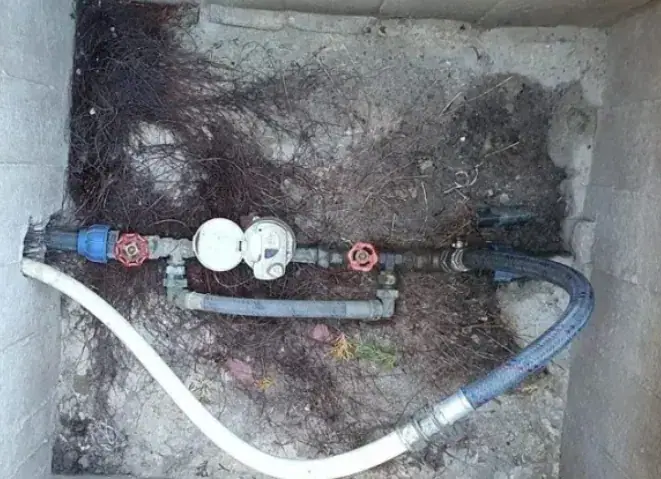
The company's limited capacity is attributed to various factors, including the geographical location of communities. Areas on lower ground receive water more readily through the existing network, while residents on higher ground have a harder time getting it. This disparity in water supply is a result of the natural terrain and the existing infrastructure. As a result, GWL has to implement extra interventions to build up enough pressure to push water to communities above the normal flow level.
Mr. Klutse emphasized that the company is doing its best to manage the available resources to meet the demands of its customers. However, he acknowledged that the current capacity is insufficient to serve every single person 24/7. The company's efforts to optimize its resources and supply water to as many communities as possible are ongoing. Despite these challenges, GWL remains committed to providing water to its customers, albeit in limited quantities.
The water supply challenges faced by GWL are not unique to the company, as many water utilities in Ghana struggle with similar issues. The country's growing population and urbanization have put a strain on existing infrastructure, leading to water supply shortages in many areas. GWL's struggles highlight the need for investments in water infrastructure to meet the growing demands of the country's population.
The company's situation highlights the need for a comprehensive plan to address the country's water supply challenges. This plan should include investments in new infrastructure, as well as measures to improve the efficiency of existing systems. Additionally, there is a need for public education on water conservation to reduce the strain on existing resources.
GWL's water supply challenges have significant implications for the country's economic and social development. Access to clean water is essential for human health, and the lack of it can have serious consequences. The company's efforts to provide water to its customers, despite the challenges, are therefore crucial to the well-being of the communities it serves.
The issue of water supply is a critical one in Ghana, and it requires a concerted effort from all stakeholders to address it. The government, water utilities, and the public all have a role to play in ensuring that the country's water resources are managed sustainably. By working together, it is possible to find solutions to the country's water supply challenges and ensure that all citizens have access to this essential resource.
Key points
- Ghana Water Limited is struggling to meet the water demands of its customers due to limited capacity.
- The company's water supply challenges are attributed to various factors, including geographical location and existing infrastructure.
- There is a need for investments in water infrastructure to meet the growing demands of the country's population.