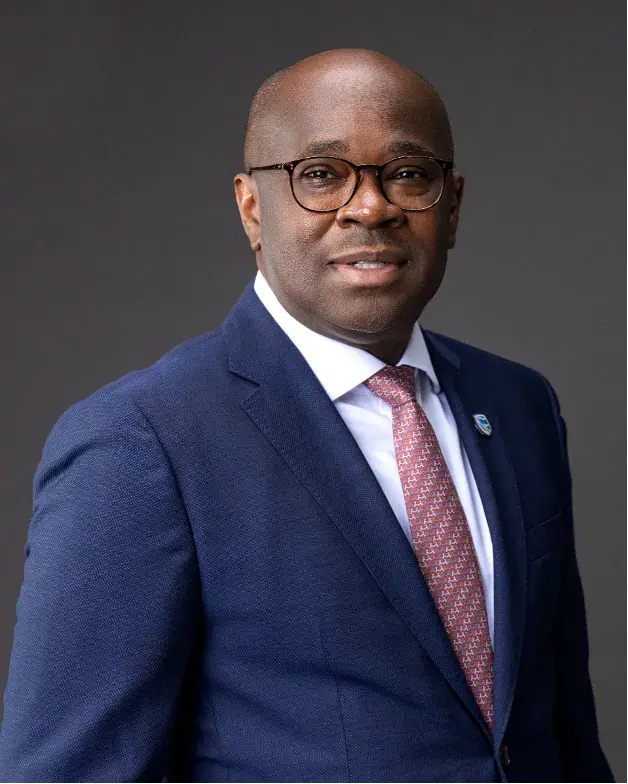
The Chief Executive of Stanbic Bank, Ad, has emphasised the need for Ghana to strengthen its capacity to mobilize domestic capital to finance economic growth and reduce its exposure to external financial shocks. This call comes as the country seeks to bolster its economic resilience. According to experts, mobilising domestic capital can help reduce Ghana's reliance on external funding and mitigate the risks associated with external financial shocks. The Stanbic CEO's comments were reported in the Business and Financial Times.
Ghana's economic growth has been impacted by external financial shocks in the past, highlighting the need for a more robust domestic capital mobilisation strategy. The country's reliance on external funding has made it vulnerable to fluctuations in global financial markets. By mobilising domestic capital, Ghana can create a more stable and sustainable economic growth trajectory. This approach can also help reduce the country's debt burden and increase its economic sovereignty.
The Ghana Association of Banks (GAB) has also raised concerns over the low recovery rate of funds lost to fraud across the country's banks and specialised deposit-taking institutions (SDIs). According to GAB, only about 5 percent of funds lost to fraud have been recovered. This has led to calls for stronger intelligence-sharing among financial service providers to combat fraud. The low recovery rate highlights the need for a more effective approach to addressing financial crimes in Ghana.
In related news, MTN Group President and CEO, Ralph Mupita, has reinforced MTN's commitment to supporting Ghana's digital infrastructure and digital sovereignty. This commitment is expected to drive digital growth and development in the country. MTN's investment in Ghana's digital infrastructure is seen as a positive step towards promoting economic growth and development. The company's efforts are also expected to enhance the country's digital competitiveness.
The Agricultural Development Bank (ADB) PLC has recorded strong financial performance for the nine months ended September 30, 2026, posting a profit before tax (PBT) of GH¢478.5 million. This represents an increase from GH¢447.5 million in the corresponding period of 2025. The bank's strong financial performance is a positive indicator of Ghana's economic growth and stability. The ADB's growth is also seen as a boost to the country's agricultural sector.
West African countries have been urged to deepen regional energy trade and strengthen domestic refining capacity to reduce their exposure to global supply disruptions. Energy ministers met in Accra to advance cooperation on electricity and energy security across the sub-region. The meeting highlighted the need for regional cooperation to address energy challenges in West Africa. Ghana and other West African countries are seeking to enhance their energy security and reduce their reliance on external energy sources.
In other news, Chai Energy, a special purpose vehicle (SPV), is preparing to raise about US$300million through an initial public offering (IPO) to acquire equity stakes in two operating independent power producers (IPPs). The IPO is expected to provide a significant boost to Ghana's energy sector. The move is seen as a positive step towards enhancing the country's energy infrastructure and promoting economic growth.
Key points
- Stanbic CEO calls for Ghana to mobilise domestic capital to finance economic growth
- Ghana's economic growth impacted by external financial shocks
- West African countries urged to deepen regional energy trade