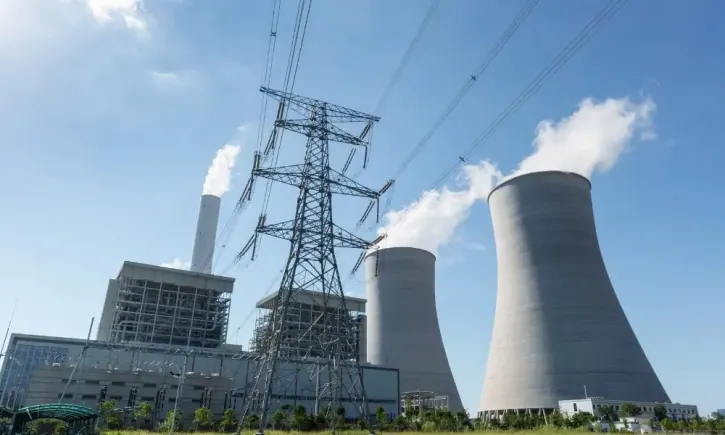
Ghana is set to embark on a significant energy project with the construction of a 1,200-megawatt (MW) state-owned gas-fired thermal power plant. This facility will become the country's largest power plant, surpassing the 1,020-MW Akosombo Hydroelectric Power Station. The announcement was made by President John Dramani Mahama during a town hall meeting with the Ghanaian community in New York on Friday, September 25.
The new thermal power plant is part of Ghana's strategy to enhance its energy capacity, especially in the face of the global energy transition and the rise of renewable energy and electric vehicles. President Mahama emphasized the need for Ghana to adapt and avoid stranded assets. The government has opted for a state-owned capacity rather than relying on Independent Power Producers (IPPs), who had previously threatened to switch off power but are now offering to invest an additional 500 megawatts.
The energy sector has seen significant improvements under the current administration. President Mahama revealed that the government has cleared energy sector debts and reorganized the Electricity Company of Ghana (ECG) to prioritize payments to power producers. This reorganization has stabilized power supply in the country. The government has ensured that the first charge on any money collected by ECG is to pay power generators, which has helped in maintaining a stable power supply.
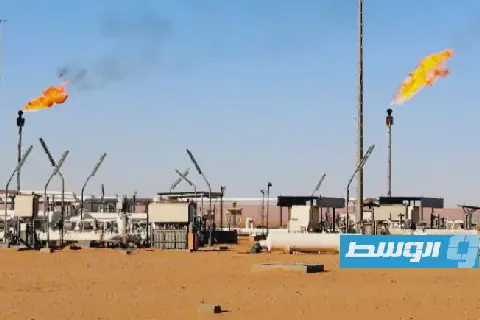
The oil and gas sector, which was previously characterized by despondency, has seen a resurgence in investor confidence. President Mahama noted that investors such as Eni had moved their operations to Cote d'Ivoire, and Jubilee production had dwindled to about 60,000 barrels per day. However, with renewed investments, Jubilee Partners is investing $2 billion to drill 20 new wells, and Eni is investing $1.5 billion to bring the rest of its Sankofa field on stream. This has led to an increase in oil production by almost 38 percent since 2025.
The increased gas from these investments will feed the new thermal plants and boost revenue for national development. Major oil companies, including ExxonMobil and Shell, are now seeking opportunities in Ghana, further indicating the restored investor confidence in the sector. This development is expected to have a positive impact on the country's economy.
On the economic front, President Mahama discussed the progress made in stabilizing the economy. The government inherited an International Monetary Fund (IMF) program that was off-track but worked to bring it back on track and stabilize the economy. By June 2024, the previous government had received the next tranche of the $3 billion loan but had failed to honor commitments under the program. The current administration took difficult measures to restore the program, which paid off as the program was brought back on track.
The government's efforts to enforce fiscal discipline have yielded results, with the debt-to-GDP ratio declining faster than targeted. Treasury bill rates have dropped sharply from 23.4 percent to about five percent by the end of last year. Additionally, the cedi has stabilized after periods of sharp depreciation. President Mahama emphasized the importance of a stable currency for business, which helps reduce import duties and stimulate the economy.
Key points
- Ghana will sign an agreement for a 1,200MW gas-fired thermal power plant by the end of 2026.
- The government has cleared energy sector debts and reorganized ECG to prioritize payments to power producers.
- Investor confidence in the oil and gas sector has been restored with significant investments from Jubilee Partners and Eni.