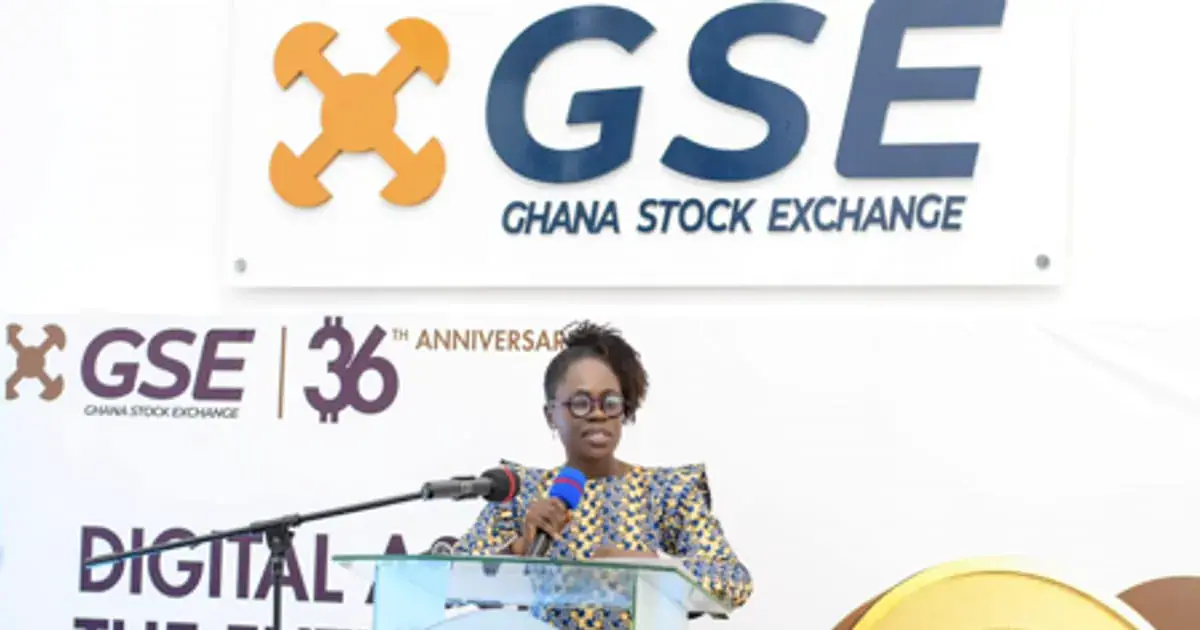
The Ghana Stock Exchange (GSE) is considering introducing tokenised assets on its trading platform. This move comes as regulators finalise guidelines for the virtual asset industry. The GSE emphasises that adequate safeguards must be in place to protect investors and sustain market confidence. The introduction of tokenised assets is part of the GSE's efforts to modernise and expand its offerings.
Regulators in Ghana are working to establish a regulatory framework for the virtual asset industry. This framework aims to provide a safe and secure environment for investors. The guidelines will help to mitigate risks associated with virtual assets and ensure that investors are protected. The regulators' efforts are crucial in maintaining market confidence and stability.
The Ghanaian government's economic policies have been focused on creating fiscal space for its US$10billion New Economy programme. As part of this programme, the government has lowered its primary surplus target. This move has resulted in public debt rising to 47.5 percent of Gross Domestic Product (GDP). The debt anchor target of 45 percent by 2034 has been exceeded.
Reliable and affordable electricity is critical to Ghana's next phase of industrialisation. The country's energy infrastructure quality is expected to shape investment, manufacturing growth, and job creation. According to Edward Ekow Obeng-Kenzo, Chief Executive Officer of the Volta River Authority (VRA), a robust energy system is essential for driving economic growth.
The 5th Ghana CEO Vision and Awards gala was held in Accra, where 39 business leaders were honoured. The event emphasised the need for CEOs and business leaders to leverage Ghana's improving economic conditions to drive industrial growth, job creation, and increased investment. The awards recognised outstanding contributions to the country's business landscape.
The Ghanaian government is seeking to increase local ownership in the mining contracting industry. Proposed reforms aim to reserve at least 50 percent Ghanaian ownership in companies undertaking surface and underground contract mining. This move is expected to promote indigenous participation in the mining sector and increase the country's economic benefits.
Experts have emphasised the need to deepen Ghana's domestic capital market to sustain recent macroeconomic gains. Strengthening institutions and ensuring policy consistency are crucial for supporting long-term industrial transformation. A well-developed domestic capital market will help to mobilise savings and channel them into productive investments.
Key points
- The Ghana Stock Exchange is exploring the introduction of tokenised assets on its trading platform.
- Regulators in Ghana are finalising guidelines for the virtual asset industry to provide a safe and secure environment for investors.
- The Ghanaian government is working to deepen the domestic capital market to sustain economic gains and support industrial transformation.
Reporting sources
- News | November 16, 2026 GSE eyes tokenised assets · Business and Financial Times