Stakeholders in Ghana's alcohol control sector have adopted an 11-point declaration, urging the government to expedite the passage of the draft National Alcohol Regulations within the next six months. The call was made through the Ministry of Health, Attorney-General's Department, and Parliament. The stakeholders also emphasized the need for adequate resource allocation for implementing the regulations. This move aims to address the 10-year delay in presenting the draft regulations for passage by Parliament.
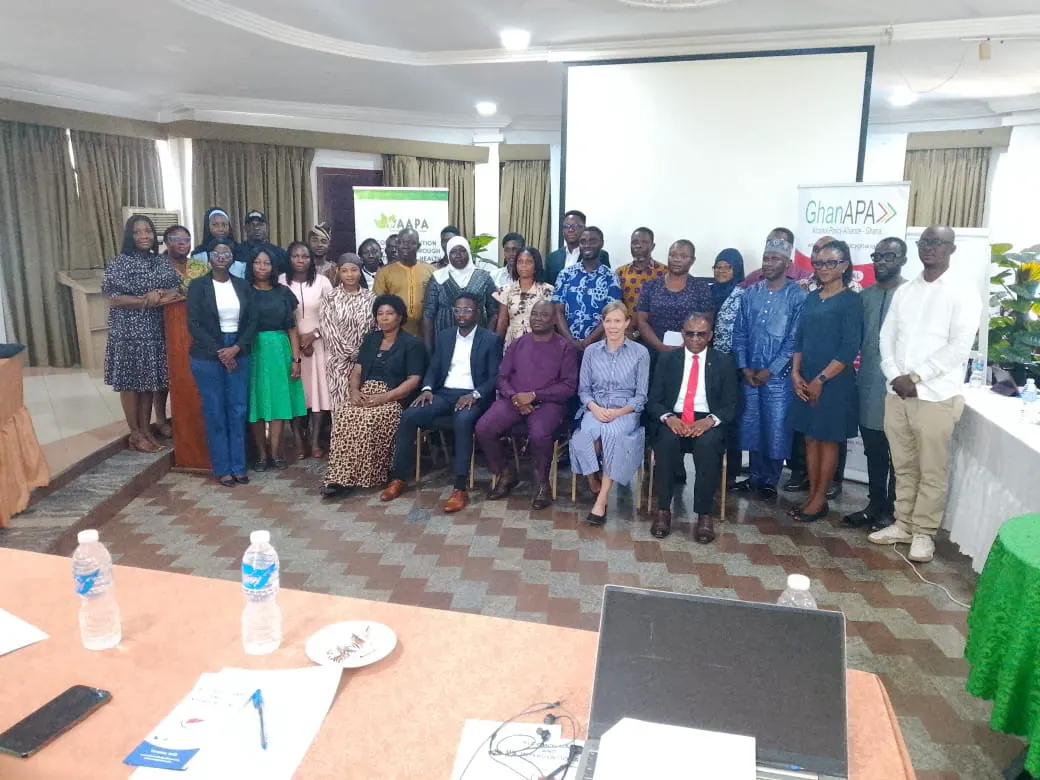
The 3rd high-level stakeholders meeting on the implementation of the National Alcohol Policy (NAP) was organized by the Ghana Alcohol Policy Alliance (GhanAPA) on September 24, 2026. The meeting's theme was "Expedite the Presentation of the draft Alcohol Control Regulations to Parliament." The NAP was launched by the Ministry of Health in 2016 but has faced a decade-long delay in implementation due to the pending regulations. This delay has hindered efforts to control alcohol-related issues in Ghana.
The declaration recommended that the Ministry of Health increase excise tax on alcoholic beverages to at least 40% of the retail price. It also suggested indexing the tax to inflation annually and earmarking at least 15% of the revenue for prevention, treatment, rehabilitation, and civil society monitoring of the legislation implementation. These measures aim to reduce the harmful effects of alcohol consumption and generate revenue for related health initiatives.
The stakeholders also urged the Food and Drugs Authority and Metropolitan, Municipal, and District Assemblies to enforce a comprehensive ban on alcohol advertising from 06:00 hours to 20:00 hours. This ban includes promotion, sponsorship, and celebrity endorsements on social media. Additionally, the stakeholders recommended restricting sales hours and enforcing an age limit of 23 years for alcohol purchases, with no sales near schools. These measures aim to reduce alcohol exposure, particularly among youth.
The stakeholders expressed their commitment to strengthening collaboration between West African organizations, including WAAPA, ECOWAS-WAHO, and WHO AFRO. They aim to harmonize alcohol control standards across West Africa and share best practices. This collaboration will enhance regional efforts to address alcohol-related challenges.
The declaration also emphasized the importance of strengthening the National Multisectoral Coordinating Committee on Alcohol Control. This committee comprises representatives from health, finance, FDA, education, police, civil society organizations, academia, and youth groups. The committee will oversee implementation, monitoring, and annual reporting on the National Alcohol Policy. An annual scorecard or shadow report on the policy's implementation will be published, led by WAAPA and its Ghana Chapter.
The stakeholders urged GhanAPA to convene an urgent Technical Committee meeting to push for the presentation of the draft regulations to Parliament. They emphasized the need for proper documentation of all processes and correspondence, escalating challenges to higher levels when necessary. The stakeholders also called for assessing the National Alcohol Policy (2016) to identify existing gaps and conducting a comprehensive review to align with current global best practices.
Key points
- The stakeholders' declaration includes increasing excise tax on alcoholic beverages to at least 40% of the retail price.
- The stakeholders urge a comprehensive ban on alcohol advertising from 06:00 hours to 20:00 hours.
- The stakeholders commit to strengthening collaboration between West African organizations to harmonize alcohol control standards.