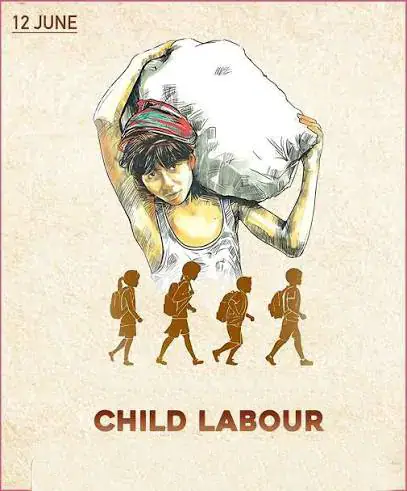
Ghana has made significant strides in reducing child labour, with a 94% decline in reported cases in 2024. According to the 2024 Annual Child Labour Report, the number of children identified in child labour decreased from over 227,000 in 2023 to approximately 14,000 in 2024. This progress is a welcome development, but challenges remain in providing adequate support to affected children and their families.
The report highlights a substantial decrease in the number of children identified in the worst forms of child labour, from around 4,500 in 2023 to 1,500 in 2024. The proportion of these cases among identified child labour instances also fell from 16.7% to 11%. Furthermore, over 9,000 children were withdrawn from child labour, representing a 29% increase from the previous year. Despite this progress, the report notes that significant gaps exist in providing remediation and livelihood support to affected children and their families.
A concerning disparity in support provision is evident, with only 40% of male and 35% of female children identified as being in or at risk of child labour receiving assistance. This shortfall indicates difficulties in meeting the welfare needs of these children. The report also reveals that only three of the 54 activities scheduled under Ghana's National Plan of Action against Child Labour were fully implemented in 2024, representing a mere 6% implementation rate.
The findings were presented by Emmanuel Antwi Bosiako, Consultant for the report, at a 2026 Forced Labour Seminar convened by the International Justice Mission (IJM) in Accra. Bosiako emphasized that reporting remains heavily concentrated in the cocoa sector, with 93.6% of identified child labour cases coming from this subsector. He recommended expanding reporting and interventions to other sectors, including mining, and strengthening community child protection committees.
Bosiako also called for increased support for children withdrawn from child labour, particularly those aged 15 to 17 years, through technical and vocational education and training (TVET) and apprenticeship programmes. He stressed that the national action plan needs to be properly costed and funded, with stronger monitoring and evaluation mechanisms to measure progress. Madam Anita Budu, Director of the West Africa Programme at IJM, highlighted the importance of the report in understanding the child labour situation and directing interventions.
Budu advocated for greater attention to identifying and supporting victims, particularly children engaged in the worst forms of child labour, to ensure their safety and prevent them from returning to exploitative situations. She also emphasized the need for stronger collaboration among stakeholders through the application of established standard operating procedures and regular coordination to avoid duplication of interventions.
Madam Esther Ofori Agyemang, Head of the Child Labour Unit of the Labour Department, urged stakeholders to extend reporting and interventions beyond cocoa to sectors such as illegal mining and commercial sexual exploitation. She proposed a nationwide child labour-free zone approach, citing the need for comprehensive reporting to track progress, inform policy decisions, and strengthen accountability.
Key points
- Only 40% of male and 35% of female children identified as being in or at risk of child labour received support.
Reporting sources
- Ghana records 94% reduction in child labour cases in 2024, but… · The Ghanaian Chronicle