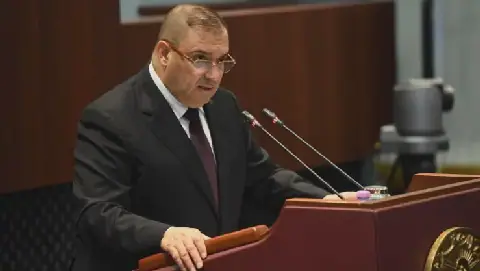
Dr. Mark Kurt Nawane, Chairman of Ghana's Parliamentary Select Committee on Health, has emphasized the need for direct funding to purchase essential medicines for patients with tuberculosis, HIV, and malaria. He noted that while capacity-building support, such as training health workers and organizing meetings, is useful, it does not address the country's most pressing health needs. Ghana received $82.5 million in capacity-building support in 2025 and $53 million in 2026.
According to Dr. Nawane, Ghana's immediate priority is securing resources to purchase medicines for patients. He cited an estimated $74 million gap that Ghana needs to bridge for medicines and related health requirements. Dr. Nawane expressed concerns that directing donor support towards capacity-building activities could leave Ghana with additional financial obligations to fill funding gaps. He argued that future cooperation with donors, including the United States, should be aligned with Ghana's most urgent needs.
Dr. Nawane's comments come amid concerns over changes to US health assistance and their potential implications for Ghana's health sector. He said Ghana remains willing to work with the United States on health but insisted that future cooperation should prioritize the country's most pressing needs. The issue, according to Dr. Nawane, is not simply the amount of money committed to Ghana's health sector but how the support is structured.
The Chairman of Parliament's Select Committee on Health noted that health partnerships should help Ghana secure essential medicines and commodities rather than leave the country with additional financial obligations. He said that what Ghana needed was money to buy medications for TB patients, HIV patients, and malaria patients. Dr. Nawane's comments form part of a broader debate over the terms of Ghana's proposed health arrangement with the United States.
The debate over Ghana's proposed health arrangement with the United States has sparked concerns over the country's ability to secure essential medicines and commodities. Dr. Nawane said that if the US wants to partner with Ghana on health, they should consider providing direct funding for medicines. He emphasized that Ghana cannot afford to prioritize capacity-building programs when patients continue to face gaps in access to critical medicines and health commodities.
The US health assistance to Ghana has been focused heavily on training and meetings, with $82.5 million provided in 2025 and $53 million in 2026. However, Dr. Nawane questioned whether such assistance addresses the country's most pressing health needs. He argued that directing donor support towards capacity-building activities could undermine Ghana's ability to secure essential medicines and commodities.
The issue has sparked a broader conversation about the terms of Ghana's international health partnerships and how the country should structure future cooperation. Dr. Nawane's comments reflect the concerns of many Ghanaians who feel that the country's health needs are not being adequately addressed. The government will need to navigate these concerns as it moves forward with its proposed health arrangement with the United States.
Key points
- Ghana seeks direct funding from US health support for essential medicines for TB, HIV, and malaria patients.
- The country's current health assistance from the US is focused heavily on training and meetings.
- Ghana needs to bridge an estimated $74 million gap for medicines and related health requirements.