The teacher unions in Ghana, including the Ghana National Association of Teachers (GNAT), the National Association of Graduate Teachers (NAGRAT), and the Pre-Tertiary Teachers Association of Ghana (PRETAG), have declared that their ongoing strike will persist until the government takes concrete steps to address their concerns. The unions are demanding the payment of outstanding arrears, resolution of promotion issues, implementation of the 20 percent deprived area allowance, and adherence to the collective agreement.
A meeting between the teacher unions and the Education Minister, along with his team, was held on Monday, September 28, 2026, as part of the government's efforts to resolve the strike. However, the unions have expressed dissatisfaction with the outcome, stating that they will no longer rely on promises and instead require tangible action from the government.
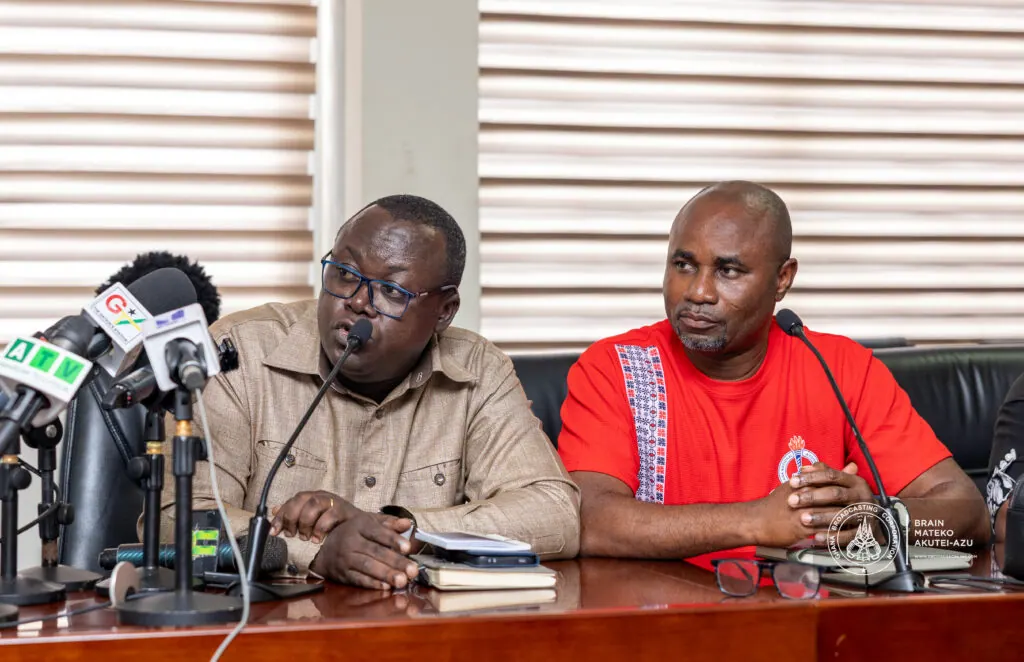
According to Isaac Baah, Head of Salaries at NAGRAT, the unions are insisting on concrete action from the government. He emphasized that teachers will remain on strike until their salaries and outstanding arrears are reflected in their accounts and on their payslips. The unions are seeking more than just verbal assurances, demanding visible evidence of the government's commitment to resolving their concerns.
Adukwei Ayikwei Awuley, Vice President of PRETAG, revealed that the meeting with the government did not yield any concrete agreement on the three major issues raised by the unions: promotion of teachers, the 20 percent deprived area allowance, and the collective agreement. While the government provided new timelines for the promotion of some teachers, there has been no progress on the deprived area allowance.
The unions are also pressing for a written commitment from the government regarding the implementation of the 20 percent deprived area allowance, scheduled to begin in January 2027. They want to see documented evidence supporting the government's assurance. Furthermore, the existing collective agreement has expired, and some allowances expected to be paid in September have not been addressed.
The teacher unions plan to return to their various councils to discuss the outcome of the meeting and consider taking further decisions. They expect the government to provide a clear timeline for negotiations on the collective agreement, which is set to resume on Tuesday. If a satisfactory timeline is presented and the unions are content with the progress of negotiations, they may consider returning to the classroom.
Ultimately, the teacher unions in Ghana remain resolute in their decision to continue the strike until their demands are met. They stress that their actions are not driven by a desire for confrontation but by a need for the government to demonstrate its commitment to addressing their concerns in a concrete and tangible manner.
Key points
- The teacher unions in Ghana will continue their strike until the government addresses their concerns, including the payment of outstanding arrears and promotion issues.
- The unions are demanding concrete action from the government, including written evidence supporting the implementation of the 20 percent deprived area allowance.
- The existing collective agreement has expired, and the unions are pressing for a clear timeline for negotiations to resume.