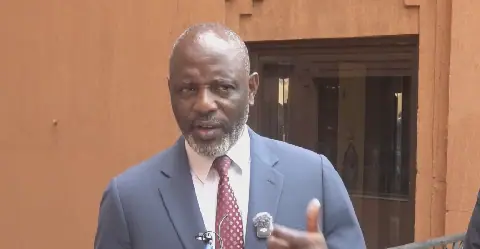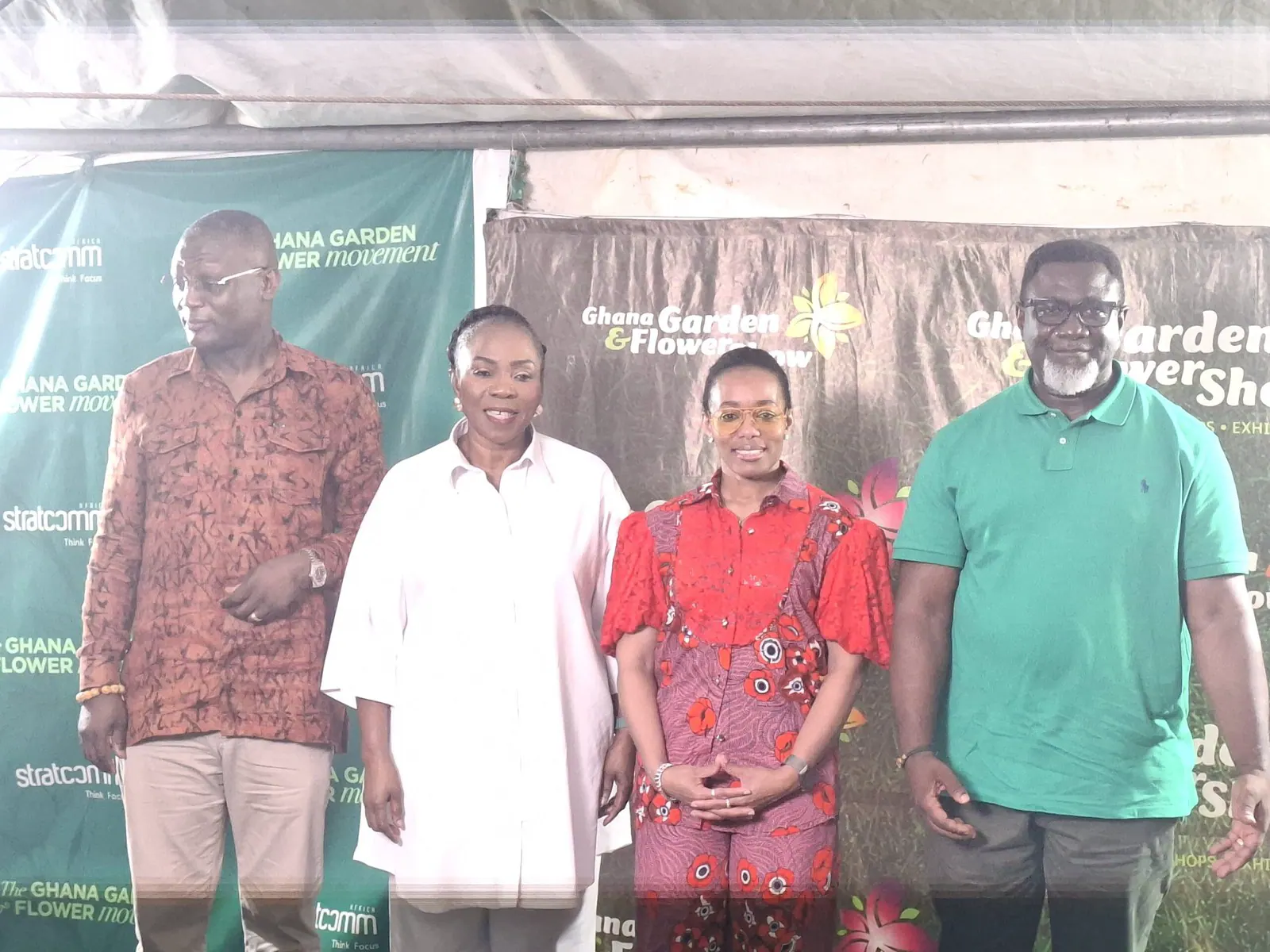
Ghana's Sports Minister, Kofi Iddie Adams, has expressed concerns over the country's rapid shift from natural grass to artificial turf pitches, citing potential environmental, public health, and athlete development risks. Speaking at the 14th Ghana Garden and Flower Show, Adams emphasized the importance of preserving natural grass fields for their role in absorbing carbon dioxide and improving air quality. The show's theme, "Green Means Business, Beauty and More," aligns with Adams' warning about the consequences of prioritizing artificial turf over natural grass. This warning comes as astroturf pitches increasingly sprout across schools, communities, and football academies nationwide.
The growing trend of converting natural grass fields into synthetic playing surfaces has significant implications for Ghana's environment and public health. According to Adams, the scale of this shift should worry Ghanaians, as it may lead to the loss of valuable green recreational spaces. He noted that natural grass fields play a crucial role in mitigating the effects of climate change, particularly in areas with high foot traffic. The Minister's concerns are echoed by the Ghana News Agency, which reports on the rapid proliferation of astroturf pitches across the country.
Astroturf has become increasingly popular in Ghana over the past decade due to its durability and low maintenance requirements. Government agencies, local authorities, corporate sponsors, and individual Members of Parliament have invested heavily in community astroturf pitches as part of grassroots sports development efforts. However, Adams argues that this trend may have unintended consequences, including the potential for poor-quality artificial pitches to contribute to sports injuries, particularly among young footballers.
The debate over astroturf installations touches nearly every school compound and community field being resurfaced across the country. Adams specifically flagged worries about the long-term effects of training and playing on hard synthetic surfaces. For communities that have lost natural grass playing fields and green spaces, the Minister's remarks suggest a trade-off between the convenience of low-maintenance artificial pitches and possible health and environmental costs.
Adams called on policymakers, local authorities, sports administrators, and communities to work together to protect remaining green spaces while continuing to develop sports infrastructure. He argued that preserving natural grass fields would support healthier lifestyles, environmental protection, and sustainable urban growth. The Minister's comments have sparked a national conversation about the balance between sports development and environmental protection.
While Adams' concerns have been reported by various media outlets, including the Ghana News Agency, it remains unclear whether a formal review of astroturf installations across the country is being considered. The sources reviewed for this report do not indicate any specific policy, regulation, or timeline the ministry plans to introduce in response to these concerns. However, Adams' warning has raised awareness about the potential risks associated with the rapid adoption of artificial turf pitches.
The issue has significant implications for Ghana's sports development, environmental protection, and public health. As the country continues to invest in sports infrastructure, Adams' comments serve as a reminder of the need for a balanced approach that considers both the benefits and drawbacks of artificial turf pitches. The Minister's warning is a call to action for stakeholders to work together to find a sustainable solution that prioritizes both sports development and environmental protection.
Key points
- Ghana's Sports Minister warns of environmental and health risks from rapid adoption of artificial turf pitches.
- Natural grass fields play a crucial role in absorbing carbon dioxide and improving air quality.
- The debate over astroturf installations has significant implications for Ghana's sports development, environmental protection, and public health.