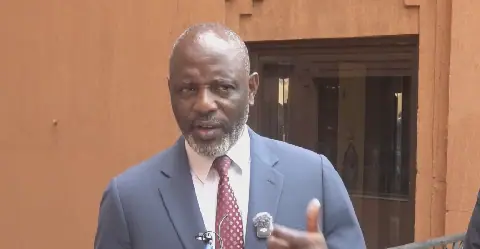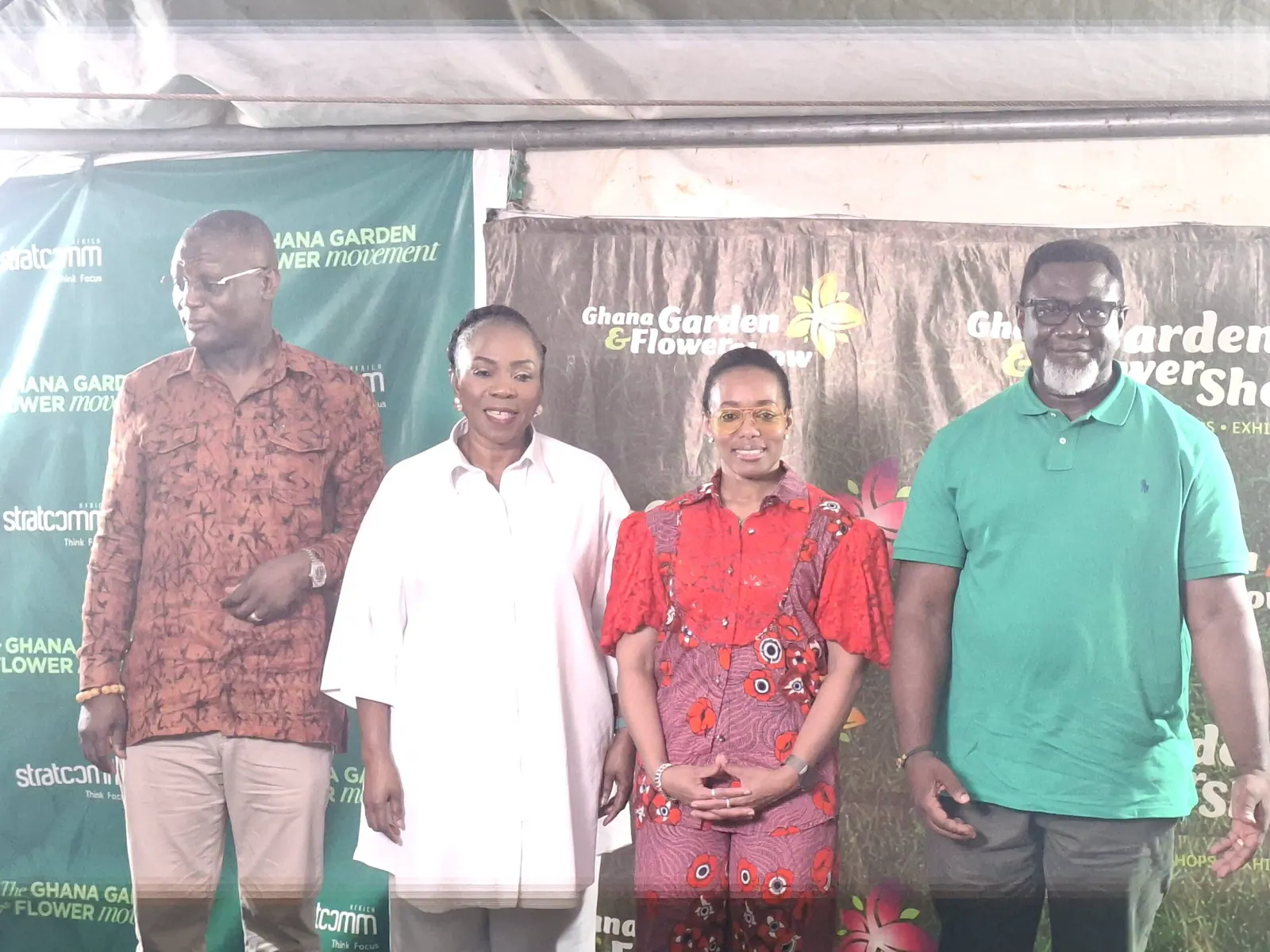
Ghana's Minister of Sports and Recreation, Kofi Iddie Adams, has expressed concerns about the growing trend of replacing natural grass playing fields and green recreational spaces with artificial turf facilities. He warned of potential consequences for the environment, public health, and athlete development. The Minister made these remarks at the closing ceremony of the 14th edition of the Ghana Garden and Flower Show in Accra.
The theme of this year's Ghana Garden and Flower Show was "Green Means Business, Beauty and More." Artificial turf, commonly referred to as Astroturf, is a synthetic surface made from plastic fibers designed to resemble natural grass. It is widely used for sports facilities, including football pitches, hockey fields, school playgrounds, and recreational parks, as it can withstand heavy use and requires less maintenance than natural grass.
In Ghana, astroturf facilities have become increasingly popular over the past decade, with governments, local authorities, corporate organizations, and Members of Parliament investing in community football pitches to promote grassroots sports development. However, the Sports Minister noted that natural grass fields play a crucial environmental role by absorbing carbon dioxide and improving air quality, particularly in sporting venues that attract large crowds.
The Minister observed that many natural playing fields have been replaced with artificial surfaces over the years, a development he believes requires careful consideration. He stated that the trend of converting parks and playing fields into astroturfs should prompt a national conversation about balancing sports development with environmental sustainability. Mr. Adams also expressed concern about the possible effects of poor-quality artificial pitches on athletes, particularly young footballers.
The Sports Minister called for greater efforts to preserve natural grass fields and recreational green spaces across the country, saying they form an important part of Ghana's environmental and wellness infrastructure. He urged policymakers, local authorities, sports administrators, and communities to work together to protect green spaces while pursuing sports infrastructure development. This, he believes, will contribute to healthier lifestyles, environmental protection, and sustainable urban growth.
According to the Minister, some sports injuries could be linked to prolonged use of hard playing surfaces. He emphasized the need for a balanced approach to sports development, one that prioritizes both the growth of sports infrastructure and the preservation of natural grass fields and green spaces. The Minister's concerns are timely, given the increasing popularity of astroturf facilities in Ghana.
The Ghana Garden and Flower Show, now in its 14th edition, provides a platform for stakeholders to discuss issues related to the environment, sustainability, and green spaces. The event, which took place in Accra, brought together experts, policymakers, and enthusiasts to explore ways to promote environmental sustainability and green practices in Ghana. The Sports Minister's remarks at the event underscored the importance of balancing sports development with environmental considerations.
Key points
- The Minister emphasized the need to balance sports development with environmental sustainability.
- Natural grass fields play a crucial environmental role by absorbing carbon dioxide and improving air quality.
- The Sports Minister called for greater efforts to preserve natural grass fields and recreational green spaces across the country.