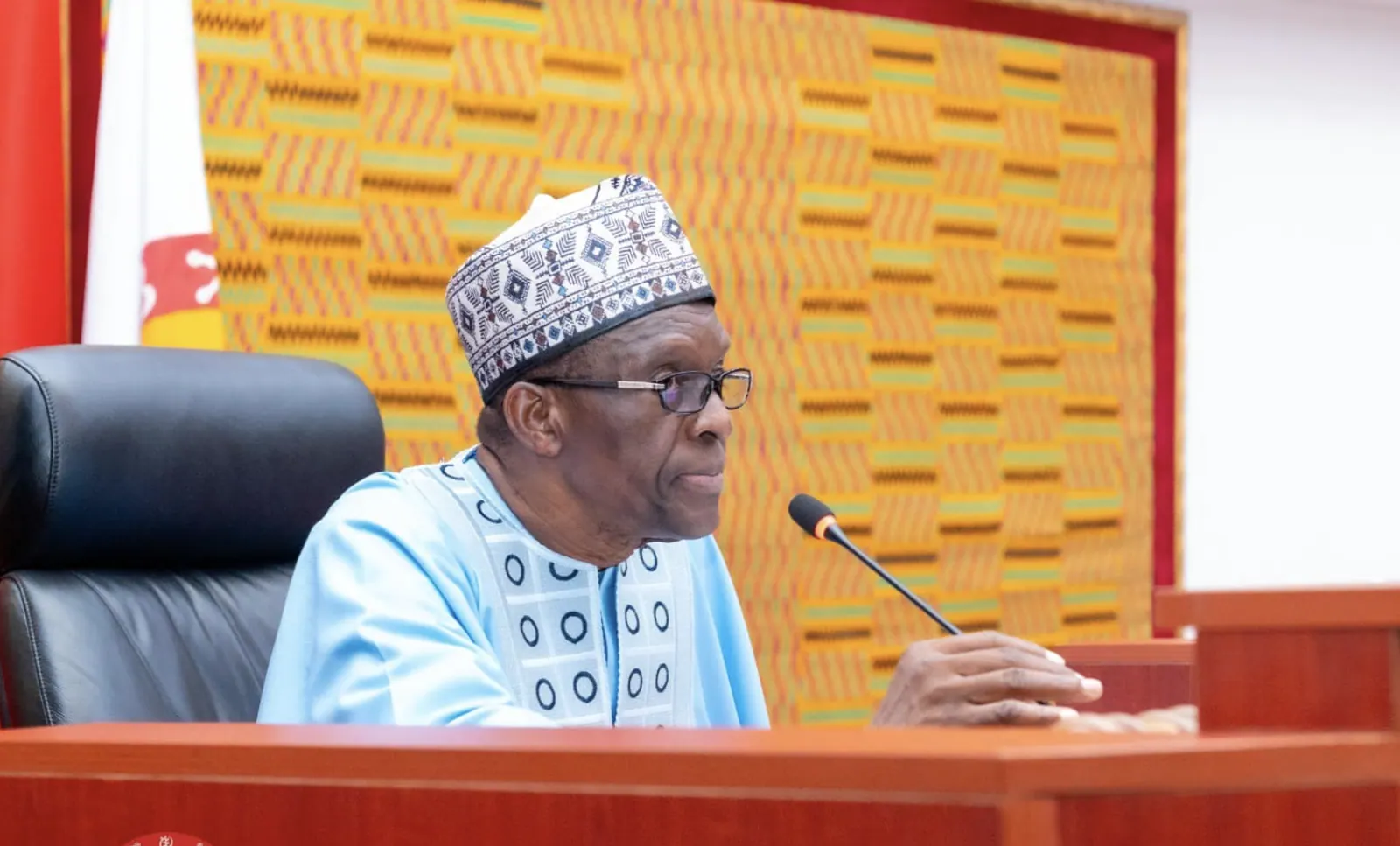
The Speaker of Parliament in Ghana, Alban Bagbin, has called on the leaders of the country's two major political parties to refrain from rewarding members who engage in public insults and abusive language. He made this statement during an emergency sitting of Parliament on September 29, 2026, in response to growing concerns about the tone of public discourse. Bagbin warned that recognizing individuals for inflammatory remarks could encourage others to adopt similar behavior in an attempt to gain attention and recognition within their parties.
According to Speaker Bagbin, leadership requires more than defending party positions and mobilizing supporters; it also involves setting standards for how members communicate, particularly when discussing opponents and matters of national importance. He emphasized that MPs have a particular responsibility to demonstrate restraint because their statements and conduct often influence public conversations. Bagbin acknowledged that political disagreements and strong criticism are legitimate in a democratic society but insisted that they should not be confused with personal attacks.
The Speaker of Parliament expressed concern about the language used by some MPs both inside and outside Parliament, stating that elected representatives should uphold the standards expected of people entrusted with public office. He also called on journalists, broadcasters, bloggers, content creators, and other citizens to exercise responsibility in their public engagements. Bagbin stressed that Parliament must be willing to examine the conduct of its own members while promoting respectful engagement.
Speaker Bagbin emphasized that robust disagreement and strong criticism are legitimate, but insult is not argument, and abuse is not scrutiny. He added that the deliberate use of language calculated to demean persons or institutions adds nothing to the quality of Ghana's democracy. The Speaker's comments come as Parliament considers concerns about the tone of public discourse and the responsibility of political leaders and elected representatives to promote respectful engagement.
The Speaker also noted that political leaders cannot credibly demand restraint from the public without demonstrating the same discipline themselves. He urged leaders to demonstrate by their own conduct that political disagreements can be vigorous without becoming destructive. Bagbin's statement was made in response to growing concerns about the use of insults in public life and the need for leaders to promote a culture of respectful discourse.
In his address, Speaker Bagbin encouraged leaders to recognize that their actions have a significant impact on the public and that they should strive to promote a positive and respectful tone in public discourse. He also acknowledged that citizens have a role to play in promoting responsible public engagement and urged them to exercise restraint in their language and conduct. The Speaker's call for responsible public discourse is seen as a significant step towards promoting a culture of respect and civility in Ghana's politics.
The issue of insults in public life has been a concern in Ghana, with many citizens calling for leaders to promote a culture of respectful discourse. Speaker Bagbin's statement is seen as a significant step towards addressing this issue and promoting a positive change in the country's politics. The Speaker's call for leaders to demonstrate restraint and promote respectful engagement has been welcomed by many, who see it as a crucial step towards promoting a more civil and respectful public discourse in Ghana.
Key points
- Speaker Alban Bagbin urges Ghana's political leaders to stop rewarding members for using insults and abusive language in public discourse.