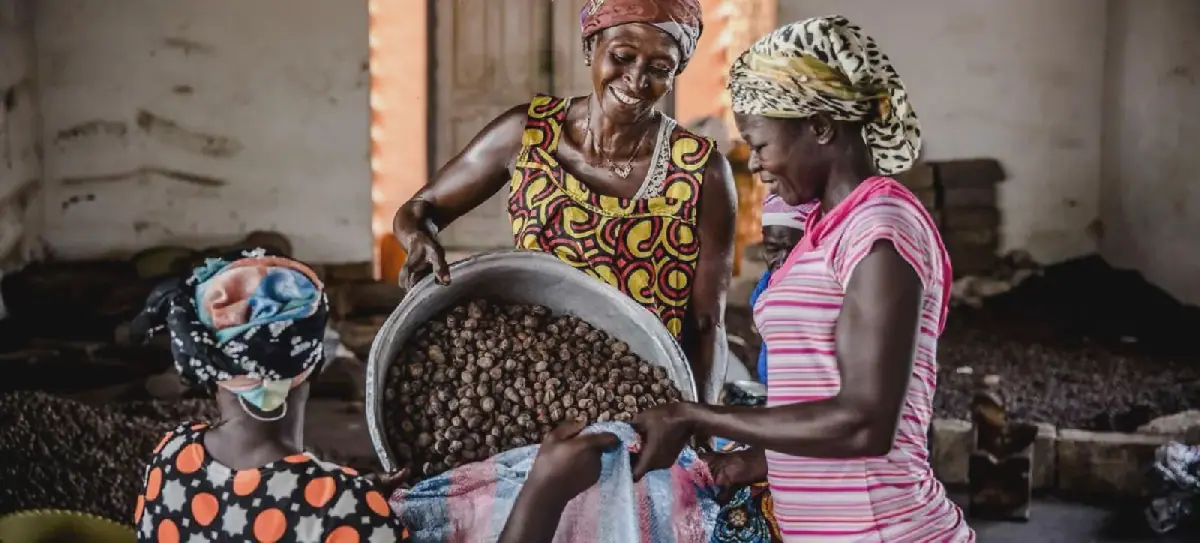
Ghana's shea industry is set to receive a significant boost with a €1.8 million equity investment from the European Union-funded AgriFI Ghana Country Window, Acumen, and angel investors. The investment will support Vitara, a company that uses its TreeSyt traceability platform to track shea products across the supply chain. This platform provides greater visibility into sourcing and supports links between farmers, processors, and international buyers. The investment aims to strengthen the shea supply chain, particularly in northern Ghana, where shea production is a vital source of income for rural communities.
The investment reflects growing interest in agricultural businesses that connect smallholder farmers to wider markets while improving how agricultural products are sourced, tracked, and traded. Ghana is a major player in the shea industry, with women making up a substantial part of the workforce involved in collecting and processing shea nuts. Vitara has reported that women account for 91 per cent of its farmer network and that it engaged approximately 47,000 women farmers during the latest shea season. This has resulted in a 20 per cent increase in farmer incomes, highlighting the potential economic significance of strengthening links between rural producers and commercial markets.
The €1.8 million investment is significant for the AgriFI Ghana Country Window, a €10 million facility designed to support agribusinesses and smallholder farmers in Ghana. This marks the facility's first direct equity investment, highlighting the role that targeted financing can play in helping agricultural enterprises develop beyond early-stage operations. The investment will support Vitara's efforts to expand its operations and strengthen the shea supply chain.
Vitara has set an ambition to reach one million farmers by 2030. Achieving this target would require sustained investment, reliable market access, and systems that ensure the benefits of growth reach the farmers who supply the raw materials. The company's TreeSyt traceability platform has been instrumental in providing greater visibility into sourcing and supporting links between farmers, processors, and international buyers.
The shea industry in Ghana demonstrates how agricultural investment can connect local production with international demand while supporting women's economic participation. However, investment and technology alone cannot resolve the challenges facing smallholder farmers. Poor infrastructure, limited access to affordable finance, fluctuating market prices, and unequal bargaining power can restrict the benefits producers receive.
Ensuring that women farmers gain lasting improvements in income will depend on transparent purchasing arrangements, dependable buyers, and continued investment in local processing capacity. The long-term measure of success will be whether initiatives such as this create more resilient businesses, stronger rural livelihoods, and a greater share of value retained within African communities.
As African economies seek to diversify exports and expand non-traditional sources of growth, the shea value chain offers a practical example of how investment, technology, and farmer participation can contribute to a more inclusive agricultural economy. The investment in Vitara is a step towards achieving this goal, and its impact will be closely watched by stakeholders in the agricultural sector.
Key points
- The €1.8 million investment in Vitara aims to support women farmers and agricultural growth in Ghana's shea industry.
- The investment will help strengthen the shea supply chain, particularly in northern Ghana, where shea production provides an important source of income for rural communities.
- Vitara aims to reach one million farmers by 2030, which would require sustained investment, reliable market access, and systems that ensure the benefits of growth reach the farmers who supply the raw materials.