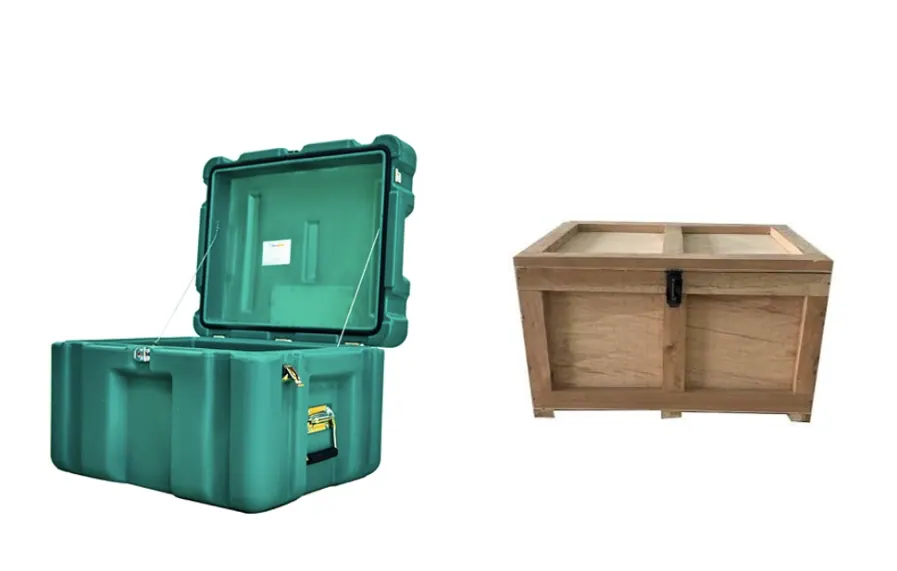
For decades, the traditional wooden chop box has been a staple in Ghanaian boarding schools, symbolizing a student's experience. However, a shift towards imported Chinese plastic chop boxes is threatening the local economy. The wooden chop box, crafted by local carpenters, supports a complete value chain, from timber sellers to young apprentices learning a trade. In contrast, the plastic chop box is manufactured in China, imported fully finished, and sold by large-scale importers, creating zero jobs for Ghanaian artisans.
The cost of the imported plastic chop boxes is significantly higher than the locally-made wooden ones, with prices ranging from GHC 600 to GHC 800 compared to GHC 250 to GHC 400 for wooden boxes. Despite this, many schools are opting for the plastic boxes, citing uniformity and neatness in dormitories. However, this trend is having a devastating impact on the local economy, with Ghana losing millions of cedis every year to imports. If 100,000 students opt for plastic chop boxes, Ghana loses GHC 70 million annually, money that could be used to produce over 200,000 wooden chop boxes and sustain local carpenters.
The wooden chop box is not only more affordable but also more durable and eco-friendly. It can last for three to four years, be easily repaired and repainted, and is fully biodegradable. In contrast, the plastic chop box is fragile, cracks easily, and contributes to plastic waste in Ghana's drains and landfills. By choosing the wooden chop box, parents can support local families and contribute to the country's economic growth.
Educational authorities, including Heads of Senior High Schools and the Ghana Education Service (GES), are being urged to rethink their policies and promote the use of locally-made wooden chop boxes. School policies should explicitly allow and prefer wooden chop boxes, and the GES should review its prospectus guidelines to recommend locally manufactured wooden chop boxes.
The government is also being called upon to intervene and regulate imports, imposing higher duties on plastic chop boxes and channeling the revenue into supporting local carpenter cooperatives. Additionally, providing soft loans and modern equipment to carpenter associations can help produce improved wooden boxes that meet modern standards.
The "Buy Made in Ghana" agenda should start from school dormitories, with authorities promoting and supporting local products. By protecting local industries, including carpentry, Ghana can create jobs and stimulate economic growth. The choice of chop box may seem trivial, but it has significant implications for Ghana's economy and development.
In conclusion, Ghana's preference for imported plastic chop boxes over local wooden ones is hurting the economy and stifling local growth. By promoting and supporting local industries, authorities can help create jobs, stimulate economic growth, and protect the environment. The facts are clear: wooden chop boxes are more affordable, durable, and eco-friendly, and it's time for Ghana to rethink its priorities and start with simple choices.
Key points
- - The imported plastic chop box costs GHC 600-800, while the locally-made wooden one costs GHC 250-400. - Ghana loses GHC 70 million annually if 100,000 students opt for plastic chop boxes. - The wooden chop box supports local families, is durable, repairable, and eco-friendly.