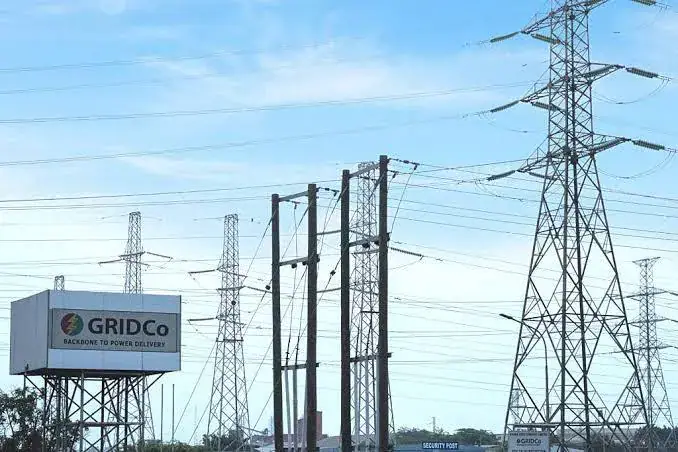
Ghana's power sector has overcome its generation capacity challenges, but a new hurdle has emerged: financial sustainability. The country's power plants burned 3.09 million barrels of liquid fuel in 2025, nearly nine times the Energy Commission's budgeted figure, due to a shortage of natural gas. This has put a strain on the sector's finances, with operators navigating delayed receivables, foreign exchange volatility, and rising operating costs.
The shift in the sector's challenges is attributed to the growth of Independent Power Producers (IPPs), which have played a crucial role in expanding Ghana's generation capacity and improving energy security. However, the sector's survival now depends on its ability to attract fresh capital and maintain financial resilience. IPPs account for a substantial share of national generation, but they face difficulties meeting debt obligations due to unpredictable payments and currency swings.
The Ghanaian Times analysis highlights the need for financing arrangements tailored to the specific needs of the power sector. The report notes that renewable projects, such as solar power and storage technologies, offer opportunities for growth but require complex financing structures. Development timelines for renewable projects can be longer, and revenue models vary depending on the technology and terms under which the power is sold.
The power sector's financial struggles have implications for consumers and the grid. Every barrel of liquid fuel burned above the Energy Commission's budget and every delayed payment to an IPP affects the pricing and investment decisions that determine whether tariffs rise or new generation capacity gets built. The sector's next test is not about megawatts, but about maintaining financial sustainability.
State-owned enterprises in the energy sector have shown signs of improvement, posting a net profit of GH₵19.80 billion in 2025, a turnaround from a GH₵14.40 billion loss in 2022. This suggests that some structural problems, such as unpaid bills and inefficient operations, are being addressed. Financial institutions have a role to play in bridging the financing gap through project finance, working-capital support, and sustainable-finance structures.
The Ghanaian Times report, authored by Priscilla Agyare, emphasizes the importance of financial institutions supporting the power sector's growth. The report argues that financial sustainability is crucial for the sector's survival and that investors are watching cash flow, not just capacity. The sector's future expansion will depend on its ability to attract fresh capital and maintain financial resilience.
Ghana's push toward cleaner energy sources offers opportunities for growth and a different kind of financing puzzle. Expanding renewable capacity could reduce the country's exposure to fuel-price volatility and open the door to climate-related financing from development institutions and impact investors. However, unlocking this potential requires financing arrangements tailored to the specific needs of renewable projects.
Key points
- Ghana's power sector faces a financing crisis despite resolving its generation capacity challenges.
- The sector's survival depends on its ability to attract fresh capital and maintain financial resilience.
- Financial institutions have a crucial role to play in supporting the sector's growth through project finance and sustainable-finance structures.