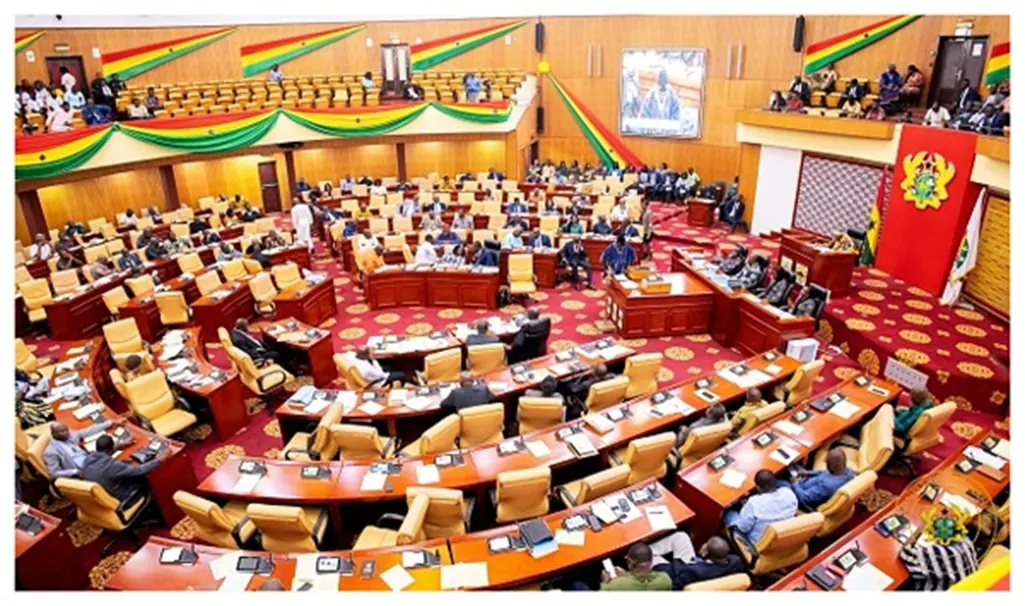
Ghana's Parliament has raised concerns about the continued detention of Nana Agyei Baffour Awuah, the Member of Parliament for Manhyia South, by the Economic and Organised Crime Office (EOCO). In a statement, Parliament's Director of Media Relations, David Sebastian Damoah, said the Speaker, Alban Sumana Kingsford Bagbin, considered the circumstances surrounding the MP's detention a matter of serious concern. Baffour Awuah had appeared voluntarily at EOCO after reports that the High Court had issued a warrant for his arrest.
The High Court had directed EOCO to enforce the warrant against Baffour Awuah as part of an ongoing investigation into transactions connected to SIC Life Savings and Loans. Parliament noted that the MP's lawyer, Samuel Atta Akyea, had stated that his client was formally charged with offences including money laundering and causing financial loss to the state. However, EOCO has urged the public not to draw conclusions about the MP's culpability while investigations continue.
Parliament stressed that MPs were not above the law and that where a legislator was reasonably suspected of committing an offence, the law must take its course. However, it also noted that MPs did not act solely in their personal capacities and that the law recognised safeguards governing interactions between Parliament and other organs of state. These safeguards aimed to protect the independence of Parliament and the mandate given to legislators by their constituents.
Parliament expressed particular concern about Baffour Awuah's overnight detention, despite his voluntary appearance and cooperation with EOCO. It argued that continued detention should not become routine or punitive when a person had already reported voluntarily. Parliament stated that if the warrant or court order required the MP to be brought before the High Court, every reasonable effort should have been made to do so at the earliest lawful opportunity.
This case is not the first occasion on which questions have arisen over the arrest, detention or prosecution of a sitting MP. Parliament announced that it would examine the existing constitutional and statutory framework governing the arrest, detention and prosecution of sitting legislators. The objective is to ensure that accountability and due process are maintained alongside the independence and effective functioning of Parliament.
The Speaker, Alban Sumana Kingsford Bagbin, cautioned against a cycle in which conduct was defended merely because similar conduct had occurred under a previous administration. He emphasised that a political opponent is not a political enemy. Parliament urged that all matters concerning Baffour Awuah be handled strictly in accordance with the Constitution, the law and applicable court orders, while respecting his rights and avoiding unnecessary interference with the constitutional work of Parliament.
Parliament invoked constitutional safeguards, emphasising that the power to arrest or detain was a serious coercive power of the State that must be exercised lawfully and reasonably, with due regard to constitutional rights and human dignity. The case has sparked concerns about the balance between accountability and the independence of Parliament.
Key points
- Parliament questions the necessity of continued detention of MP Baffour Awuah after his voluntary appearance before EOCO.
- The case has raised concerns about the balance between accountability and the independence of Parliament.
- Parliament will review the existing framework governing the arrest, detention and prosecution of sitting legislators.