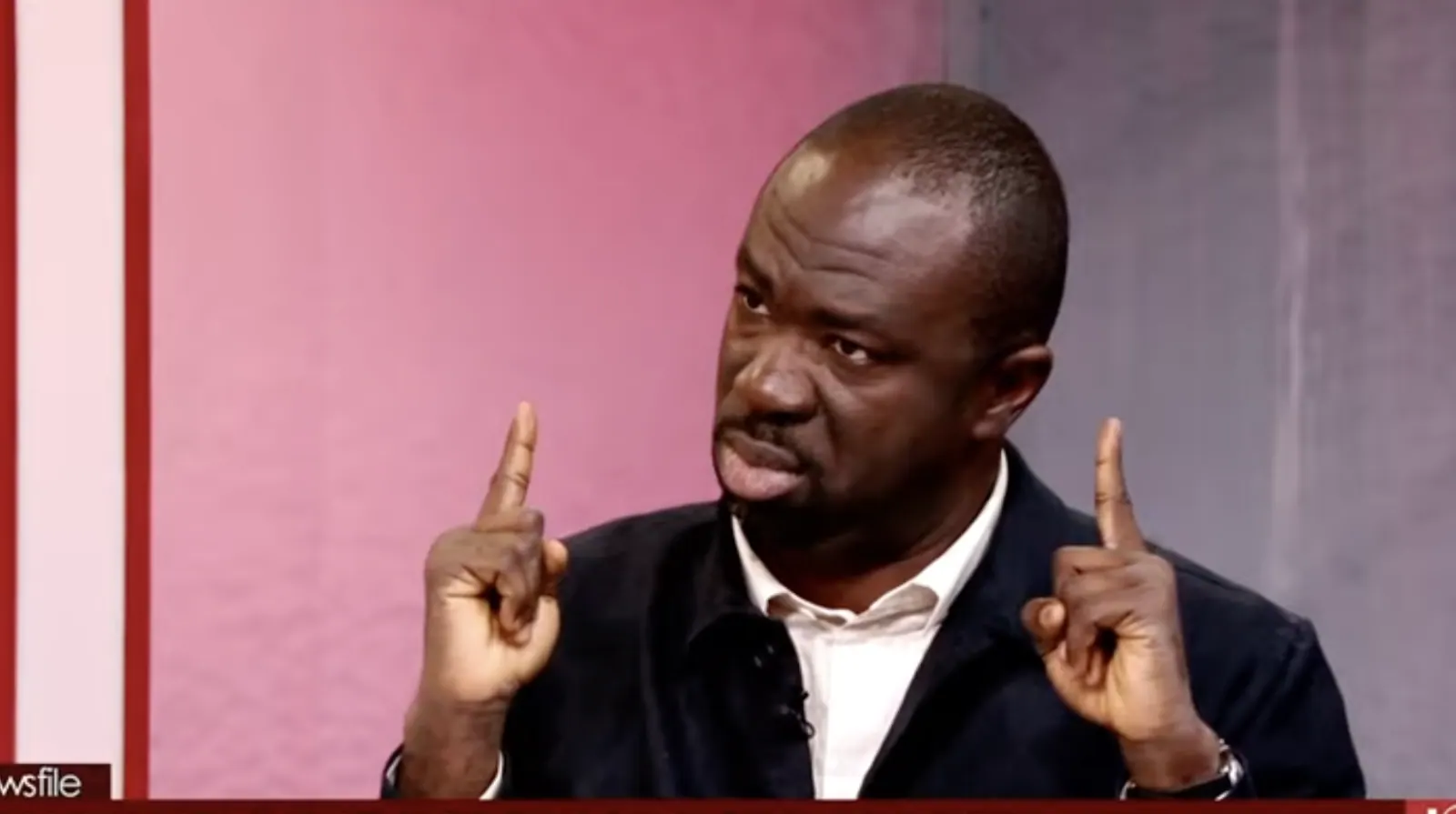
Ghana's Parliament has raised concerns about the detention of Nana Agyei Baffour Awuah, the Member of Parliament for Manhyia South, by the Economic and Organised Crime Office (EOCO). Baffour Awuah voluntarily presented himself to EOCO on October 1, 2026, after a High Court issued a warrant for his arrest. Despite cooperating with the investigative process, he remained in custody, prompting Parliament to demand that due process be followed.
The Speaker of Parliament, Alban Sumana Kingsford Bagbin, emphasized that MPs are not above the law, but also noted that the law recognizes safeguards governing interactions between Members and other organs of State. These safeguards aim to protect the independence of Parliament and the mandate of the people they represent. Parliament questioned the continued detention of Baffour Awuah, arguing that any decision to keep him in custody ought to have a clear and demonstrable basis in law and necessity.
Parliament expressed concern about the necessity and proportionality of detaining a Member who had voluntarily reported to EOCO. The power to arrest or detain is a serious coercive power of the State and must always be exercised lawfully, reasonably, and with due regard to the constitutional rights and dignity of every person. Parliament noted that continued detention should not become routine or punitive, especially when the purpose of securing a person's attendance has already been achieved through voluntary appearance.
EOCO planned to arraign Baffour Awuah before a court on October 3, 2026, in connection with the ongoing investigation. Parliament urged that all matters concerning Baffour Awuah be handled strictly in accordance with the Constitution, the law, and all applicable orders of the courts, with full respect for his rights and without unnecessary interference with the constitutional work of Parliament. The Speaker reiterated that a political opponent is not a political enemy and that past excesses cannot justify present excesses.
This incident is not the first time questions have arisen concerning the arrest, detention, or prosecution of sitting MPs. Parliament recalled previous experiences involving Members since the advent of the Second Parliament of the Fourth Republic. These experiences demonstrate the need for greater clarity concerning procedures applicable when investigative or prosecutorial authorities seek to arrest, detain, or prosecute a sitting MP.
Parliament announced that it would examine the existing constitutional and statutory framework and, where necessary, consider appropriate legislation to ensure that accountability, due process, and the rule of law coexist with the independence and effective functioning of Parliament. The legislature also called on all state institutions and public officials to exercise coercive powers with restraint, fairness, and full respect for constitutional rights.
The controversy surrounding Baffour Awuah's detention has sparked reactions from various stakeholders, with some describing the arrest as a political witch-hunt and others arguing that EOCO is only carrying out its mandate. As the situation unfolds, Parliament's demand for due process and adherence to the rule of law remains a critical concern.
Key points
- Parliament demands due process in Baffour Awuah's detention
- Detention of MP raises concerns about abuse of power
- Parliament to examine existing framework to ensure accountability and independence