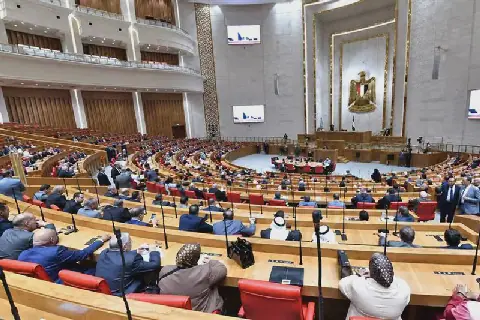
In an emergency sitting on September 29, 2026, Speaker of Parliament Alban Bagbin rejected a motion by the Minority seeking a parliamentary inquiry into recent major narcotics seizures linked to Ghana. The decision was made after reviewing the motion and its proposed terms of reference, alongside ongoing investigations and pending judicial proceedings. This move prevents Parliament from probing the narcotics seizures while related court cases are ongoing.
According to Speaker Bagbin, several aspects of the proposed inquiry overlap with matters currently before the courts. He emphasized that allowing the inquiry could lead to Parliament examining transactions, the conduct of individuals and institutions, and decisions taken at Ghana's ports of entry. This, he noted, could effectively require Parliament to determine questions that should be settled through the judicial process, rather than allowing the courts to handle them.
The Speaker raised concerns that proceeding with the motion could prejudice the interests of parties involved in the ongoing court cases. He cited Standing Orders 5, 6, and 103, Sub-Rule F, in ruling that the Party Member's motion is inadmissible in its current form. This ruling effectively halts the proposed parliamentary inquiry from proceeding while related investigations and judicial proceedings continue.
The narcotics seizures in question involve significant consignments linked to Ghana, sparking concerns among lawmakers and the public. The Minority had sought to initiate a parliamentary inquiry to investigate these seizures, but the Speaker's ruling has put these plans on hold. The decision underscores the delicate balance between Parliament's oversight mandate and the need to respect ongoing judicial processes.
Speaker Bagbin's decision highlights the constitutional limits on Parliament's power to conduct inquiries. He emphasized that Parliament must avoid interfering with matters sub judice, or currently under judicial consideration. By doing so, the Speaker aims to prevent potential conflicts between the legislative and judicial branches of government.
The ruling has implications for Parliament's oversight role, particularly in matters involving high-profile investigations and court cases. It underscores the need for lawmakers to carefully consider the timing and scope of their inquiries to avoid conflicts with ongoing judicial proceedings. The decision also highlights the importance of respecting the separation of powers in Ghana's constitutional framework.
The Minority's motion may be revisited in the future, once the ongoing investigations and court cases have been resolved. However, for now, the Speaker's ruling stands, and the proposed parliamentary inquiry into the narcotics seizures will not proceed. The decision has sparked discussions about the limits of Parliament's power and the need for effective oversight mechanisms in Ghana.
Key points
- The Speaker of Parliament, Alban Bagbin, has ruled a motion for a parliamentary inquiry into narcotics seizures inadmissible due to ongoing investigations and court proceedings.
- The decision highlights the balance between Parliament's oversight mandate and the need to respect ongoing judicial processes.
- The ruling underscores the constitutional limits on Parliament's power to conduct inquiries, particularly in matters sub judice.