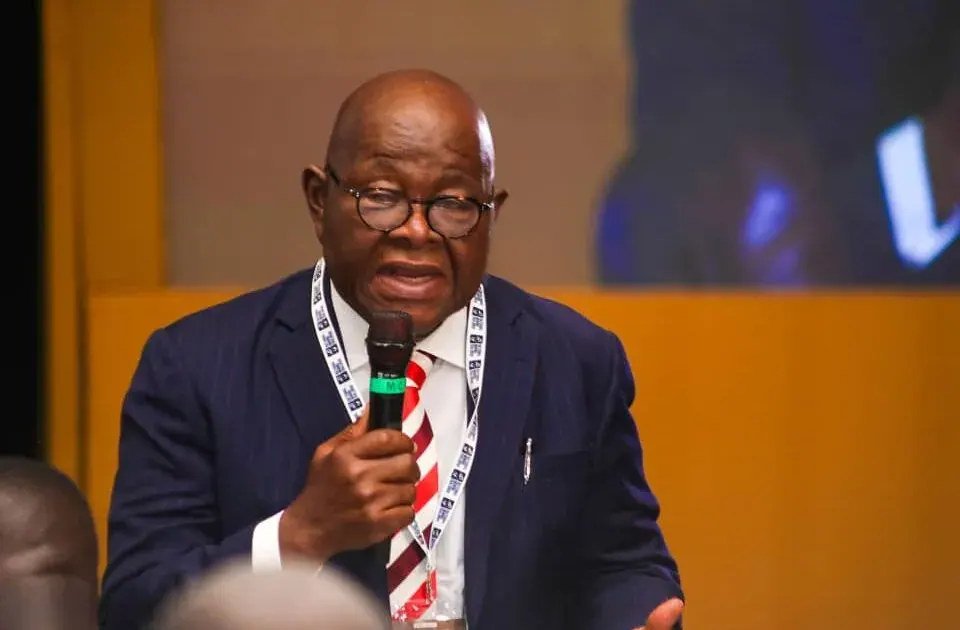
The New Patriotic Party (NPP) of Ghana has made the decision to have its presidential flagbearer also serve as the leader of the party. This move, according to former Speaker of Parliament, Professor Mike Oquaye, reflects the political reality the party faces when it is in opposition. The NPP had previously considered constitutional amendments that would have made the national chairman the leader of the party but has now opted to make the flagbearer the party leader.
Professor Oquaye explained that the position of party leader largely depends on whether the NPP is in government or opposition. When the NPP is in government, the President naturally assumes a leadership role within the party due to the constitutional and political position of the office. The President is considered the leader of the nation, and thus, the leader of the party.
However, when the NPP is in opposition, the chairman is still considered the leader of the party. Professor Oquaye stated that the latest decision is an attempt to formally recognize what happens in practice rather than maintain a structure that does not reflect the party's political circumstances. The party's structures will continue to evolve in response to changing circumstances.
Once the NPP selects its candidate for a presidential election, that person becomes the flagbearer and leader of the party. This is because the party needs a single person to carry its political message and lead its campaign during an election. Professor Oquaye emphasized that the flagbearer, when elected as the party leader, will lead the party into the contest.
The decision to make the flagbearer the party leader has raised concerns about accountability within the party. Some have argued that this move could weaken the system of checks and balances, particularly if the flagbearer and party leader are the same person. However, Professor Oquaye acknowledged the importance of accountability but pointed to the NPP's existing leadership structures, such as the National Council, Council of Elders, and National Executive Committee.
These structures, according to Professor Oquaye, are capable of providing oversight and holding the flagbearer and party leader accountable. He cited previous instances where the NPP had taken disciplinary actions against senior party officials, including a chairman, as evidence that its internal structures can still hold leaders accountable.
Professor Oquaye emphasized that becoming the flagbearer and party leader does not place an individual beyond the party's disciplinary and accountability structures. He assured that if a presidential candidate engages in illegal activities, they will face the consequences. The NPP, according to Professor Oquaye, is a strong party that can enforce its internal rules and regulations.
Key points
- The NPP's decision to make the flagbearer the party leader reflects the political reality the party faces when in opposition.
- The move has raised concerns about accountability within the party, but Professor Oquaye pointed to existing leadership structures as a means of providing oversight.
- The decision is an attempt to formally recognize what happens in practice rather than maintain a structure that does not reflect the party's political circumstances.