The New Patriotic Party (NPP) in Ghana is confronting a delicate internal political challenge as it balances the authority of its presidential flagbearer, the control of its national executives, and the independence of its parliamentary Minority Caucus. This emerging debate raises fundamental questions about the distribution of power within the opposition party and who ultimately determines its political direction. The NPP's internal dynamics have sparked concerns about a potential leadership vacuum.
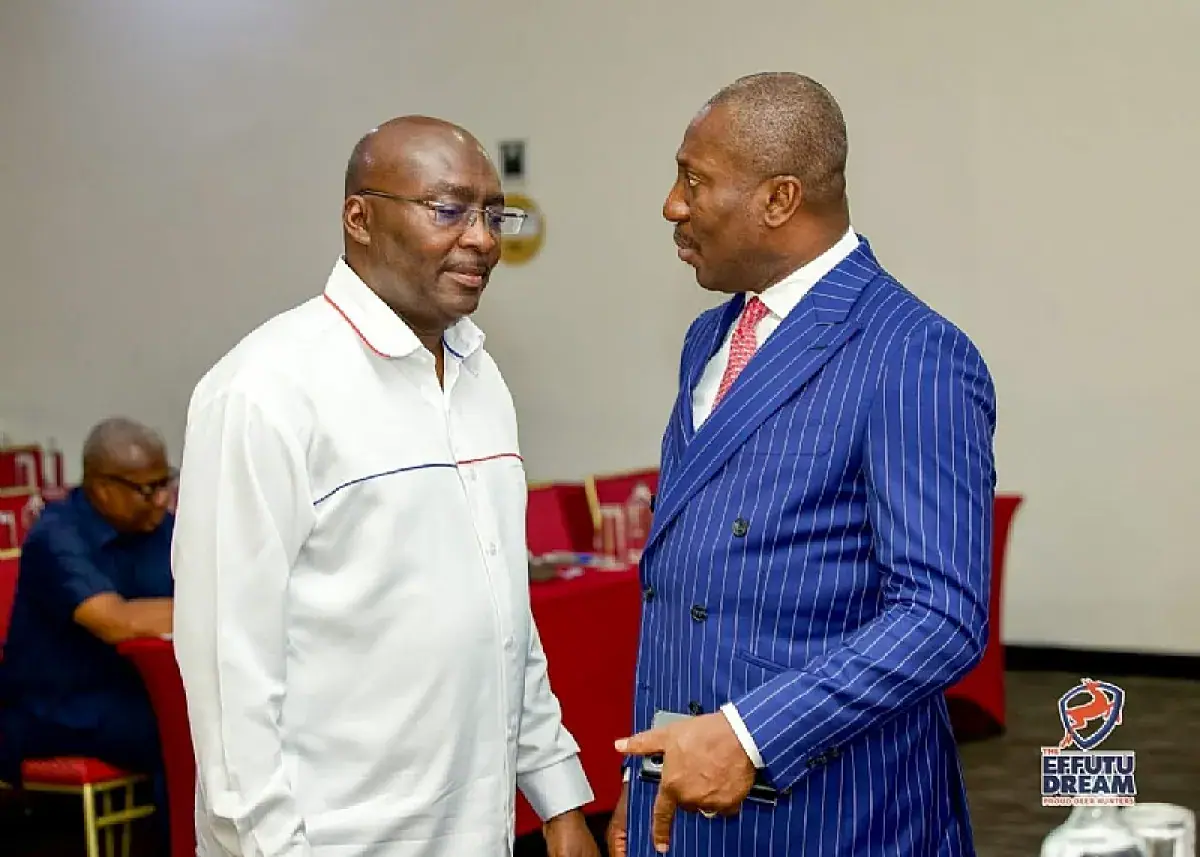
The NPP's political structure presents three important centres of influence: the flagbearer’s office, the national executives, and the parliamentary Minority Caucus. Dr Mahamudu Bawumia emerged as the NPP’s presidential candidate for the 2028 elections, and the party approved structural changes making the flagbearer the party leader. This creates an opportunity for coordinating the party’s national political direction. The national executives are responsible for party administration, organisation, and mobilisation.
The debate surrounding Minority Leader Alexander Afenyo-Markin's position exposes the sensitive relationship between parliamentary leadership and party authority. In December 2025, Kennedy Agyapong urged Afenyo-Markin to relinquish the Minority Leader position, citing internal competition for the role. Afenyo-Markin himself warned his parliamentary colleagues that internal disagreements were weakening the caucus's ability to perform its opposition responsibilities.
On October 29, 2026, NPP General Secretary Justin Kodua Frimpong dismissed speculation about a parliamentary leadership reshuffle, declaring that the party remained satisfied with Afenyo-Markin and his team. However, a public declaration of confidence does not resolve questions about internal trust, political influence, and the relationship between the flagbearer and parliamentarians. The real issue is whether the parliamentary caucus enjoys sufficient institutional independence while remaining accountable to the party's broader objectives.
The approval of the new leadership arrangement provides Dr Bawumia with a formal coordinating role within the NPP. However, formal authority and practical political influence are not always the same. The question is whether the national executives, parliamentary leadership, and influential party figures are prepared to operate under a common strategic direction. A flagbearer must articulate the party's national vision, but that vision requires the support of parliamentarians.
The consequences of unresolved internal tensions can extend beyond the party's leadership arrangements, weakening the NPP's ability to scrutinise the government effectively and creating contradictory public statements. Ambitious politicians may begin positioning themselves for future appointments and influence before the party has consolidated its strategy for 2028. These are organisational challenges that can affect political effectiveness.
An opposition party divided over its own leadership can struggle to sustain pressure on the government. The NPP should focus on building a credible alternative policy agenda and asking difficult questions about national issues. The party's internal disagreements risk surrendering the initiative to the governing National Democratic Congress (NDC). Nevertheless, the NDC should not mistake an opposition party's internal disagreements for an absence of political capacity.
Key points
- The NPP's internal power struggle raises questions about the party's leadership dynamics and its ability to effectively oppose the government.
- The party's presidential flagbearer, Dr Mahamudu Bawumia, has a formal coordinating role, but his leadership must be consolidated to ensure a common strategic direction.
- Unresolved internal tensions can weaken the NPP's ability to scrutinise the government and create contradictory public statements.