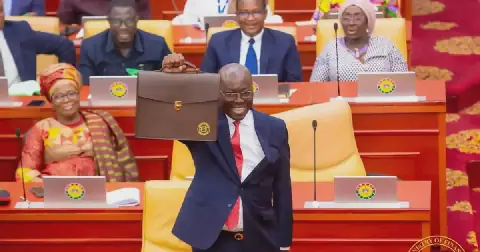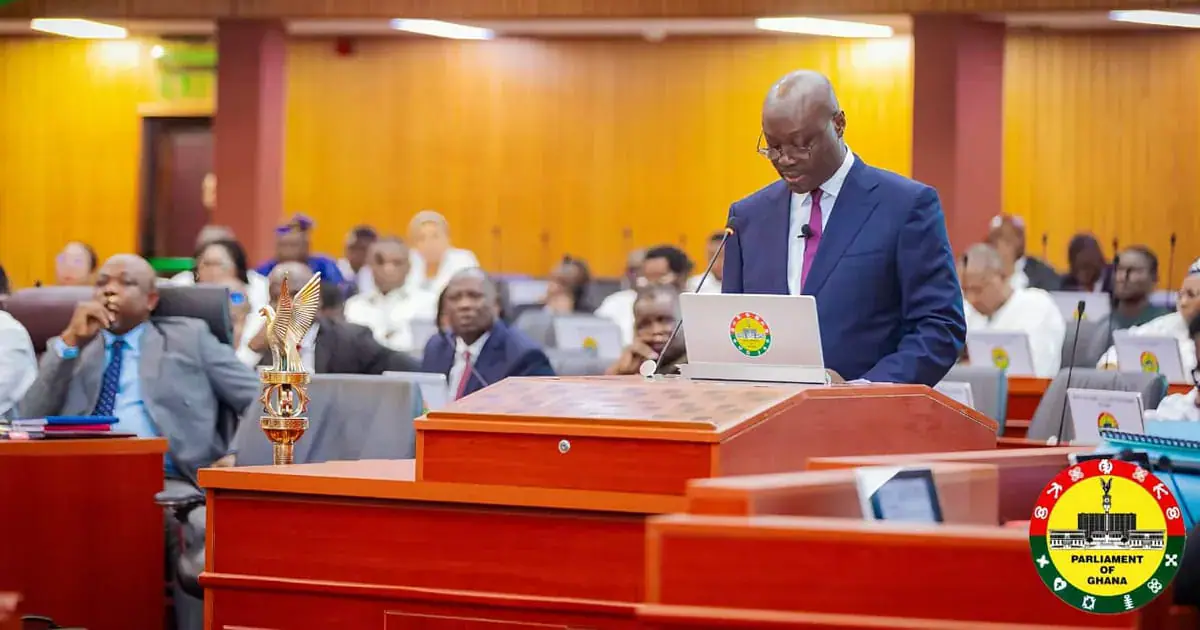
The Ghanaian government is pinning its hopes on improved tax compliance, tighter revenue administration, and technology to sustain its no-new-tax policy in 2027. This move is aimed at expanding public spending while maintaining fiscal stability. According to the government, these measures will help to boost revenue without introducing new taxes. The policy is crucial in the current economic climate, where the government is seeking to stimulate growth and development.
The no-new-tax policy has been a key promise of the government, and its sustainability is crucial for businesses and individuals alike. To achieve this, the government is investing in technology to improve tax collection and administration. This includes the use of digital platforms to make tax payments and filing easier and more efficient. The government is also working to tighten revenue administration to prevent tax evasion and ensure that all eligible taxpayers are paying their fair share.
Improved tax compliance is also a key aspect of the government's strategy. The Ghana Revenue Authority (GRA) has been working to educate taxpayers on the importance of paying taxes and the benefits of compliance. The GRA has also been implementing measures to make it easier for taxpayers to comply with tax laws, such as providing online filing and payment options. These efforts are aimed at increasing tax revenue without introducing new taxes.
Spending cuts are also an essential part of the government's strategy to sustain the no-new-tax policy. The government has been working to rationalize public spending and eliminate inefficiencies in the public sector. This includes streamlining government agencies and programs, and implementing cost-saving measures. The goal is to reduce waste and ensure that public funds are used efficiently.
The government's no-new-tax policy has been widely welcomed by businesses and individuals, who have been calling for a reduction in taxes. However, some critics have argued that the policy may not be sustainable in the long term, particularly if revenue growth is slow. The government has acknowledged these concerns and is working to address them through its measures to improve tax compliance and revenue administration.
The sustainability of the no-new-tax policy will be crucial for Ghana's economic growth and development. If successful, the policy could help to stimulate investment and job creation, and improve living standards for Ghanaians. However, if the policy fails, it could lead to a decline in revenue and a worsening of the country's fiscal position. The government will need to carefully manage the policy to ensure its success.
The government has reaffirmed its commitment to the no-new-tax policy, and is working to ensure its sustainability. With the help of improved tax compliance, tighter revenue administration, and technology, the government is confident that it can maintain the policy in 2027 and beyond. This will require careful management and monitoring, but the potential benefits for Ghana's economy and people make it an important goal to pursue.
Key points
- Government aims to sustain no-new-tax policy through improved tax compliance, tighter revenue administration, and technology.
Reporting sources
- Economy | November 17, 2026 Can revenue gains, spending cuts sustain 'no-new-tax' policy? · Business and Financial Times