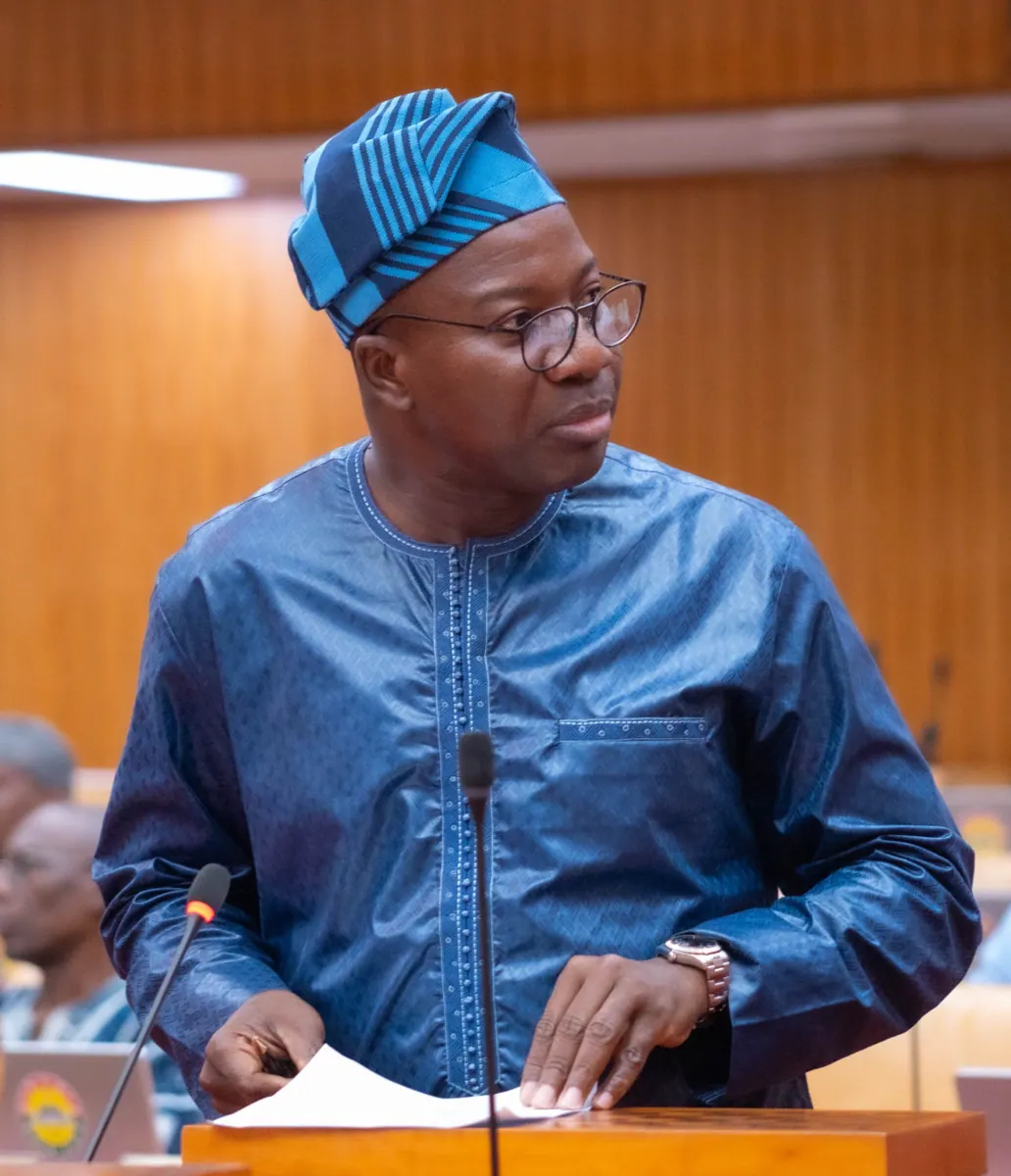
The Minister of Local Government, Chieftaincy and Religious Affairs, Mahama Ayariga, has directed Metropolitan, Municipal and District Chief Executives (MMDCEs) to identify one-acre parcels of land for the construction of waste transfer stations across Ghana. This directive is part of the government's efforts to address the country's persistent waste management challenges. The Minister made this announcement during a National Sanitation Day exercise in Accra to commemorate World Cleanup Day.
The directive applies to all metropolitan, municipal, and district assemblies across the country, with priority attention given to Greater Accra, Greater Kumasi, Sekondi-Takoradi, and other regional capitals. These areas face increasing volumes of waste, putting pressure on existing disposal infrastructure. The government aims to establish properly planned waste transfer stations at the metropolitan, municipal, and district levels to create a more effective system for moving waste from communities to final disposal sites.
MMDCEs in Greater Accra, Greater Kumasi, and Sekondi-Takoradi have also been directed to identify suitable locations for the development of properly engineered landfill facilities. This move is expected to improve the country's waste management system, which currently faces significant challenges due to inadequate infrastructure. The Minister emphasized that the lack of sufficient waste bins, collection trucks, and tricycles, as well as poorly established transfer stations, exacerbate the problem.
According to Minister Ayariga, Ghana's waste management difficulties are linked to inadequate infrastructure, including a shortage of waste bins, collection trucks, and tricycles. Many areas lack properly established transfer stations, and existing landfill sites are limited in number and often poorly engineered and managed. The Minister described the situation as unacceptable, stressing that Ghana should have basic waste management infrastructure such as properly engineered transfer stations, landfill facilities, and collection points.
The government's new approach focuses on establishing an effective and efficient waste management system, as directed by President John Dramani Mahama. Minister Ayariga emphasized that his period in office will be characterized by efforts to develop such a system. The planned infrastructure is part of broader measures to improve sanitation and create a more reliable waste collection and disposal system across the country.
The Minister's directive has been met with a sense of urgency, as MMDCEs have been given 30 days to present a one-acre land in their respective areas for the construction of transfer stations. The government intends to construct transfer stations in every metropolitan, municipal, and district assembly. This move is expected to significantly improve Ghana's waste management system and address the country's sanitation challenges.
The issue of waste management has been a longstanding challenge in Ghana, with the country struggling to manage its waste effectively. The government's efforts to address this issue are expected to have a positive impact on the environment and public health. The Ministry of Local Government, Chieftaincy and Religious Affairs will work closely with MMDCEs to ensure the successful implementation of this initiative.
Key points
- The Ghanaian government has given MMDCEs 30 days to identify land for waste transfer stations.
- The initiative aims to improve the country's waste management system and address sanitation challenges.
- The government plans to establish properly planned waste transfer stations and landfill facilities across the country.