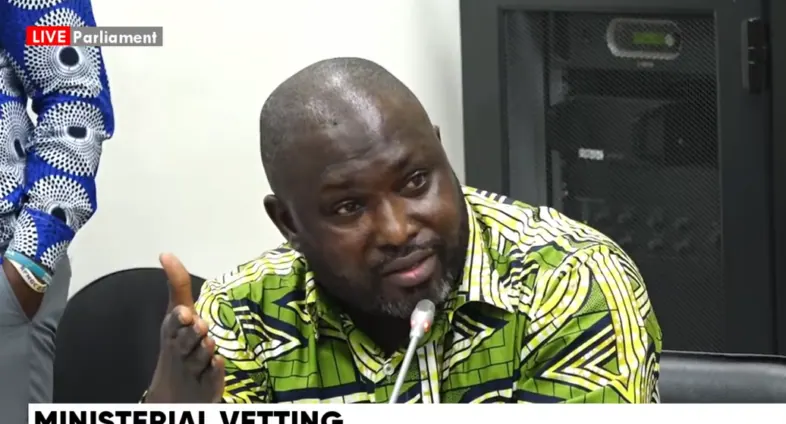
The Minority in Ghana's Parliament has filed a private members' motion calling for a bipartisan investigation into major narcotics consignments linked to the country. The motion, filed by First Deputy Minority Whip Habib Iddrisu, seeks to establish an Ad Hoc Committee to examine high-profile drug seizures recorded in Ghana and other countries. This move follows several significant narcotics seizures, sparking concerns over Ghana's role in international drug trafficking.
Key incidents cited in the motion include the seizure of 3.9 metric tonnes of cocaine by French Customs at Dunkirk on September 10, 2026, valued at $261 million. Additionally, 320 kilogrammes of methamphetamine were intercepted by the Australian Border Force on June 18, 2026. The motion also references cocaine seizures at Takoradi and Pedu in Cape Coast in March 2025. These incidents have raised questions about how such large consignments could have been processed and cleared in Ghana.
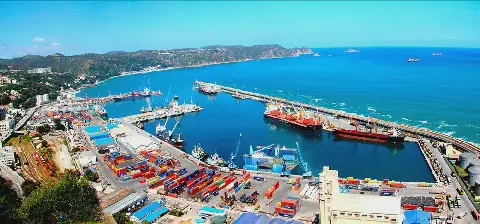
The proposed inquiry would investigate the processing, inspection, clearance, and export of these narcotics consignments in Ghana. The committee would examine the ports from which they were exported and the intelligence and customs procedures applied, including profiling, scanning, physical inspection, and other clearance processes. This investigation aims to identify gaps in current security systems that may have allowed these consignments to leave the country undetected.
The committee is expected to establish the identities and roles of companies, state institutions, and other entities involved in the processing and clearance of these consignments. However, the inquiry would be subject to restrictions arising from ongoing criminal investigations. The Minority is also seeking information on investigations, arrests, and prosecutions connected to the seizures, as well as an assessment of intelligence sharing and cooperation between Ghanaian authorities and international law-enforcement agencies.
The proposed parliamentary inquiry would assess the effectiveness of security systems at Ghana's ports, airports, and other entry and exit points. Particular attention would be given to scanning, surveillance, and intelligence capabilities, as well as possible gaps that may have allowed the consignments to leave the country undetected. This evaluation aims to prevent Ghana from being used as a source, transit route, or operational base for international drug trafficking.
Mr. Iddrisu had earlier called for parliamentary scrutiny of the circumstances surrounding the 3.9-tonne cocaine seizure in France. He questioned how such a large consignment could have passed through Ghana without detection, asking, "Who processed those containers? Who are those who are exporting it? Who were the officers who are on duty?" The proposed inquiry seeks to answer these questions and identify the officials and entities involved.
The motion also proposes an examination of the wider networks involved in major narcotics trafficking operations, including financiers, organisers, and facilitators. It further calls for legislative, administrative, security, and institutional reforms to prevent future incidents. The inquiry's findings could lead to significant changes in how Ghana handles narcotics trafficking and cooperates with international law-enforcement agencies.
Key points
- The Minority in Ghana's Parliament seeks a bipartisan investigation into major narcotics consignments linked to the country.
- The proposed inquiry would examine the processing, inspection, clearance, and export of narcotics consignments in Ghana.
- The investigation aims to prevent Ghana from being used as a source, transit route, or operational base for international drug trafficking.