President John Dramani Mahama's recent decision to dissolve the boards of nine state institutions has brought attention to the concept of leadership in Ghana. The move has raised questions about what it means to be entrusted with authority and how leaders should conduct themselves. This development has sparked a national conversation on the importance of effective leadership and the need for leaders to prioritize the interests of the people.
The decision to dissolve the boards has been seen as a significant move by the President to re-evaluate the governance structure of state institutions. The boards of institutions such as the Ghana Revenue Authority, the Ghana National Petroleum Corporation, and the Bank of Ghana were among those dissolved. This move is expected to have far-reaching implications for the operations of these institutions and the economy as a whole.
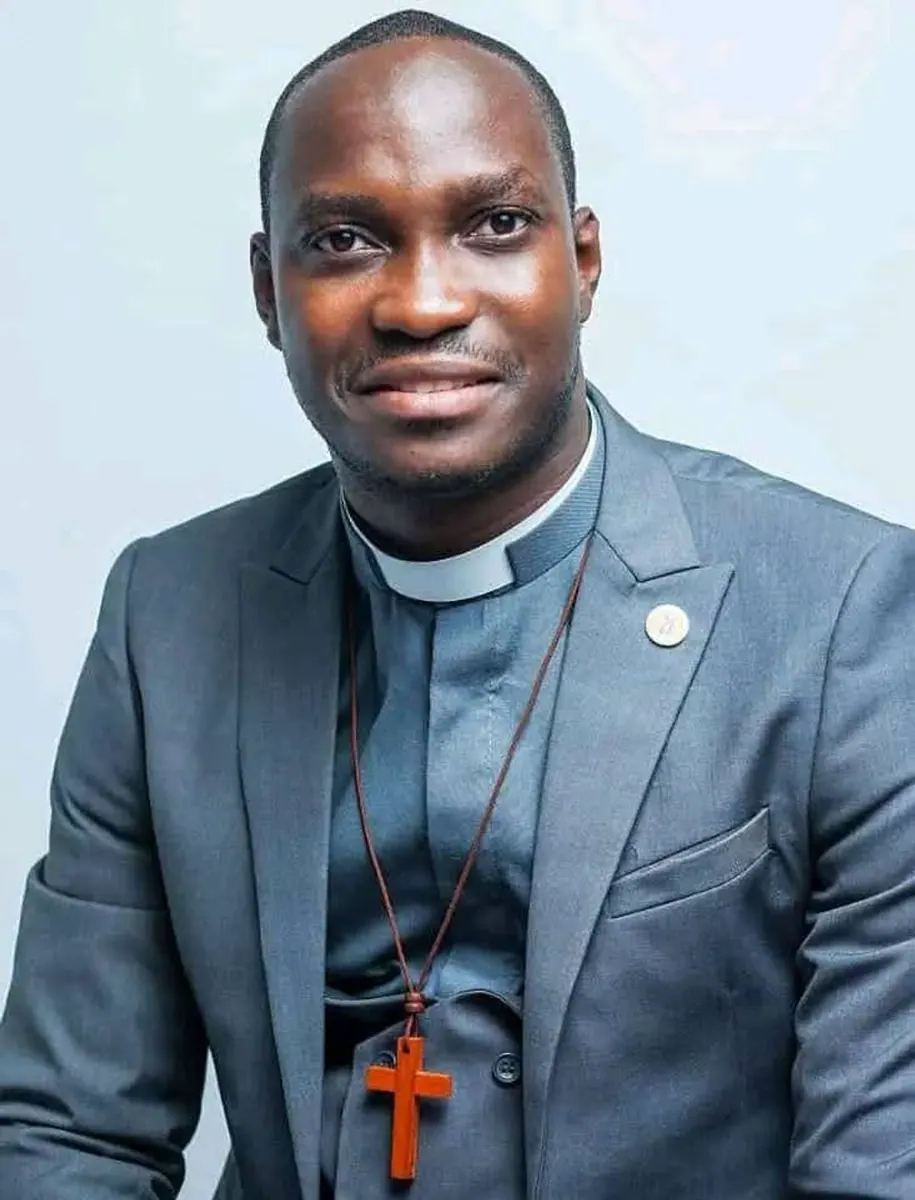
The conversation around leadership in Ghana has moved beyond the traditional understanding of power and position. There is a growing recognition that leadership is not just about holding a position of authority, but also about serving the people with integrity and humility. This shift in perspective is reflected in the writings of Rev’d Fiifi Afenyi-Donkor, who argues that faithful shepherding is an essential ethic of leadership.
The importance of leadership in Ghana cannot be overstated. The country's history has been marked by periods of significant growth and development, but also by challenges such as corruption and mismanagement. Effective leadership is seen as crucial in addressing these challenges and ensuring that the country achieves its full potential.
The role of feminism in the Ghanaian workplace has also been highlighted in recent discussions. The conversation around feminism has moved beyond the theoretical and is now focused on practical issues such as promoting equality and addressing discrimination. This shift in focus is expected to have a positive impact on the workplace and society as a whole.
The use of artificial intelligence in the health sector is also being explored in Ghana. AI is seen as a tool that can enhance efficiency, accuracy, and accessibility in healthcare. This development is part of a broader effort to harness technology and innovation to drive growth and development in the country.
As Ghana continues to navigate its development challenges, the need for effective leadership and governance has become increasingly clear. The conversation around leadership and authority is expected to continue, with a focus on promoting a culture of service, integrity, and accountability.
Key points
- President John Dramani Mahama's decision to dissolve the boards of nine state institutions has sparked debate on leadership and authority in Ghana.
- The conversation around leadership in Ghana has shifted beyond traditional understandings of power and position to focus on service, integrity, and humility.
- Effective leadership is seen as crucial in addressing Ghana's development challenges and ensuring the country achieves its full potential.