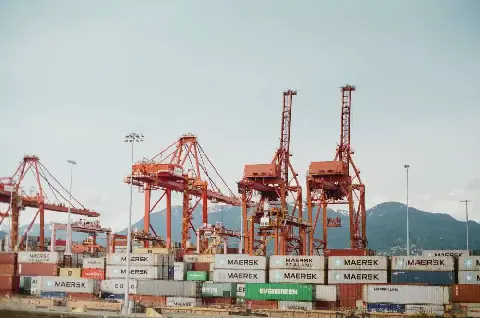
The recent seizure of nearly 3.9 tonnes of cocaine in France, worth approximately €225 million or US$261 million, has raised concerns about Ghana's role in the global narcotics trade. The shipment, concealed in a container of plastic waste, was linked to Ghanaian authorities, who announced arrests in connection with the alleged facilitation of the shipment. This incident has sparked a national conversation about the state of Ghana's institutions and the ease with which criminal networks can operate.
The cocaine seizure is not an isolated incident, but rather a symptom of a broader crisis of governance and corruption in Ghana. The country's COVID-19 audit gaps have also highlighted weaknesses in its accountability institutions. An investigation by Manasseh Azure Awuni found a significant discrepancy in COVID-19 fumigation expenditure, with reported spending ranging from GH¢96.3 million to GH¢780 million. This gap raises questions about the reliability of public spending and the effectiveness of oversight institutions.
The erosion of meritocracy in Ghana is a pressing concern, with corruption and patronage increasingly influencing public appointments and promotions. When loyalty and connections take precedence over competence and honesty, the country's young people are taught a devastating lesson: excellence is optional, and honesty is a handicap. This can have far-reaching consequences for Ghana's future, as talented citizens become disillusioned with a system that rewards mediocrity.
The consequences of Ghana's institutional weaknesses extend beyond the moral realm, having significant economic and security implications. Investors are deterred by uncertain rules and corrupt systems, while talented citizens emigrate in search of more rewarding opportunities. Meanwhile, criminal networks are attracted to systems where enforcement is negotiable, posing a threat to national security.
To address these challenges, Ghana needs a comprehensive national reset that prioritizes merit, transparency, and accountability. This involves making public appointments based on transparent criteria and independent vetting, giving accountability institutions real consequences and powers, and digitizing ports and procurement processes to reduce corruption and increase transparency.
Protecting investigators, auditors, journalists, and whistleblowers is crucial to promoting accountability and transparency in Ghana. A country that punishes truth-tellers and rewards thieves will struggle to build a culture of integrity and honesty. Separating wealth from unexplained influence is also essential, through measures such as asset declaration, conflict-of-interest enforcement, and lifestyle audits for high-risk public offices.
Ultimately, resolving Ghana's crisis of governance and corruption requires a sustained national effort to rebuild its institutions around merit, transparency, and accountability. This involves a phased approach, starting with immediate measures to stop the bleeding and prevent further abuse. By prioritizing these values and taking concrete steps to implement them, Ghana can build a more just and equitable society.
Key points
- Ghana's institutions are under scrutiny due to corruption and narcotics scandals.
- The country's COVID-19 audit gaps and cocaine seizure highlight weaknesses in its governance and accountability institutions.
- A national reset prioritizing merit, transparency, and accountability is necessary to address these challenges.