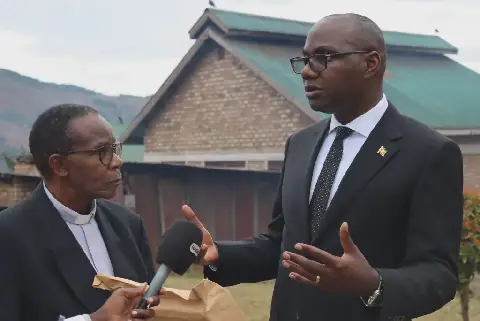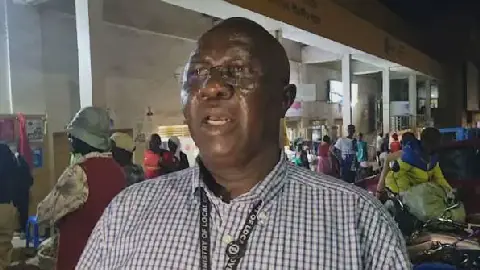
On October 2, joint forces comprising the Ghana Police Service, Military Police, and other units, stormed La Pleasure Beach, ordering workers to vacate the premises for a demolition exercise. This followed an earlier exercise at Laboma Beach Resort on September 13, aimed at restoring the Kpeshie Lagoon and mitigating flooding in Accra. The operations have left many workers jobless, with concerns raised over the lack of prior notice and inadequate support for those displaced.
The affected workers, mainly informal economy vendors, food and beverage sellers, and casual workers, have been left with little more than a stall and a day's stock. In Ghana, an estimated 89 per cent of employment is informal, with many workers operating without formal registration or social protection. The economic asymmetry is clear, with formal business owners having lawyers, savings, and assets to fall back on, while informal workers rely on daily income to feed their families.
A 2024 study by Alex Anlesinya and Gerald Joseph Tetteh Nyanyofio examined the lived experiences of informal economy workers in Accra's markets, highlighting the vulnerability that accompanies the loss of an informal workplace. The study found that income is inseparable from survival for these workers, who value work primarily for providing food, clothing, shelter, and school fees for their children. A demolition can therefore destroy both income and the means of earning it.
The research also revealed that informal workers often have little financial cushion, with limited savings, restricted access to credit, and inadequate social protection. During the pandemic, rising costs eroded business capital, and a demolition can replicate that shock in a single morning, destroying stock, equipment, and productive assets alongside the workplace. Furthermore, work provides more than money, with participants speaking of autonomy, self-respect, social relationships, and the aspiration to educate their children.
The demolitions at Laboma Beach Resort and La Pleasure Beach raise important questions over property rights, livelihoods, due process, equality, and human dignity. While the state may lawfully intervene in the interests of public safety and town planning, the critical issue is whether such powers are exercised lawfully, proportionately, and with adequate regard for those whose livelihoods are affected. Ghana's 1992 Constitution provides protections relating to property and compulsory acquisition, while international standards on forced evictions emphasise consultation, adequate notice, and safeguards against unnecessary hardship.
The Member of Parliament, Honourable Rita Naa Odoley Sowah, and the Municipal Chief Executive, Honourable Alfredos Nii Anyetei, have disclosed that many people have been rendered jobless, with no comprehensive count of those displaced published. The economic and social impacts of the demolitions are likely to be significant, with affected workers facing an uncertain future. As the state seeks to balance public objectives with the rights and interests of informal economy workers, accountability and fair process are essential.
Ultimately, the issue is not simply whether the state has the power to act, but whether that power was exercised within the law and through a fair and proportionate process. As the affected workers seek support and redress, the government must consider the long-term consequences of its actions and ensure that the rights and dignity of all individuals are respected and protected.
Key points
- The demolitions have left many workers jobless, with concerns raised over the lack of prior notice and inadequate support for those displaced.
- Informal economy workers in Ghana face significant vulnerability, with limited financial cushion, restricted access to credit, and inadequate social protection.
- The demolitions raise important questions over property rights, livelihoods, due process, equality, and human dignity, highlighting the need for accountability and fair process.