Ghana's iron and steel sector, including a scrap metal trade that has operated for decades without a specific regulator, is set for its first comprehensive rulebook. The Ghana Integrated Iron and Steel Development Corporation (GIISDEC) is working to submit a proposed Legislative Instrument (LI) to Parliament within the next two to three months. This move aims to regulate the industry, which has been lacking detailed regulations despite the Ghana Integrated Iron and Steel Development Corporation Act, 2019 (Act 988).
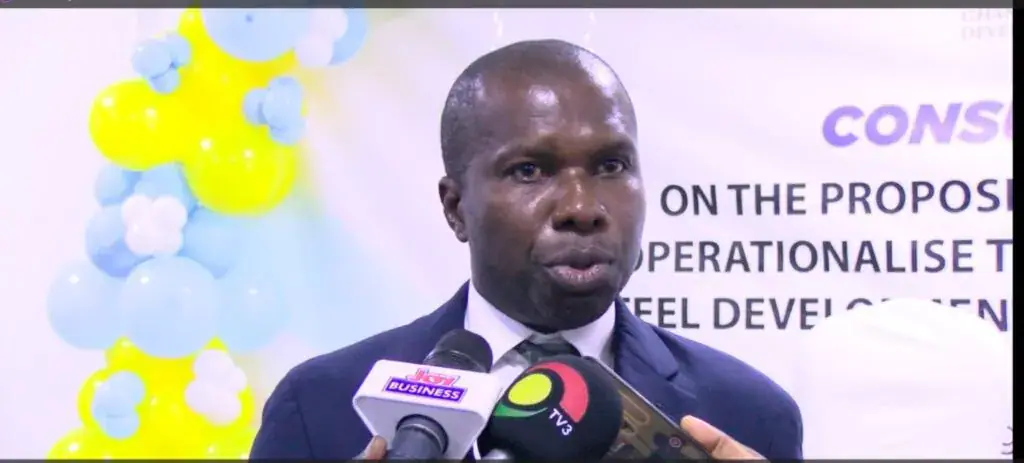
The GIISDEC Chief Executive Officer, William Okofo Dartey, announced the timeline at a stakeholders' consultation forum in Accra on Thursday, November 26, 2026. The forum was part of efforts to gather input from industry players and government agencies before the proposed LI is finalised. The draft framework is structured around three segments of the industry: upstream, midstream, and downstream.
The upstream segment of the regulation would set out guidelines for mineral exploration, concessions, and partnerships with investors, alongside local content requirements and provisions for benefits to accrue to government and Ghanaian investors. The midstream side would guide the establishment and running of steel processing plants and push for greater local value addition. Currently, Ghana imports substantial volumes of raw materials such as steel slabs, which local firms then process into finished products.
The downstream component of the regulation would focus on strengthening the marketing and use of locally produced steel, particularly within construction and infrastructure, while ensuring products sold in Ghana meet required standards. The scrap metal sector is a key part of the new framework, described as a critical source of locally available raw material for steel smelting companies.
GIISDEC has spent the past year consulting traditional authorities, district assemblies, industry players, and communities in iron ore-bearing areas across the Oti, Northern, and Western Regions. The corporation has also visited manufacturers such as B5 Plus and Star Steel to understand their reliance on imported raw materials and the challenges they face.
Feedback gathered from these visits, along with contributions made at Thursday's forum, is being folded into the draft regulation. GIISDEC would continue engaging stakeholders over the coming two to three months before forwarding the proposed instrument to the Attorney-General's Department for the processes required ahead of its submission to Parliament.
The introduction of this new law is expected to bring order to Ghana's scrap metal and steel industry, which has operated without a specific regulator for decades. The regulation will cover mining, processing, and scrap dealers, and its implementation is expected to increase local value addition and ensure that products sold in Ghana meet required standards.
Key points
- GIISDEC plans to submit a draft Legislative Instrument to Parliament within two to three months to regulate Ghana's scrap metal and steel industry.