Ghana's Foreign Affairs Minister, Samuel Okudzeto Ablakwa, has initiated a special audit of government evacuation exercises conducted from 2017 to date. This move comes amid scrutiny of the government's handling of evacuation operations, including the recent xenophobic attacks in South Africa. The audit is expected to cover major evacuation operations undertaken over the period, including those involving Ghanaians affected by the COVID-19 pandemic, the Russia-Ukraine conflict, and the Sudan crisis.
The request for the special audit was made in a formal letter dated September 17, addressed to the Auditor-General in Accra. Ablakwa has asked for a distinct assessment of each exercise, setting out findings, cost, observations, and recommendations. The Ministry is seeking a summary of common issues and recommended measures across the exercises where appropriate. This audit aims to provide transparency and accountability in the management of evacuation exercises.
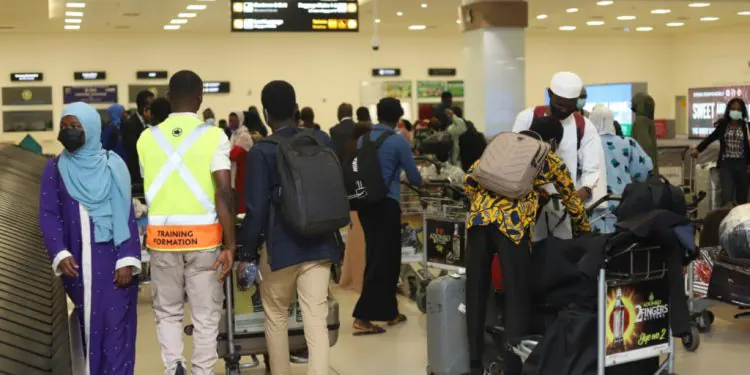
The request for an audit comes as the Ministry releases a report on the government's evacuation of Ghanaians from South Africa in response to a Right to Information (RTI) request. The report, which is over 200 pages long, details the evacuation exercise that began on May 27 and ended on September 4, bringing 1,964 Ghanaians back to Ghana. The documents contain records relating to the evacuees, including contact details and signatures of some of those who were evacuated.
According to figures announced by Mr. Ablakwa on September 7, the South Africa evacuation exercise cost GH¢49.72 million. The expenditure included GH¢38.84 million for chartered flights, commercial air tickets, ground transportation, feeding, accommodation, and medical services. An additional GH¢10.8 million went towards reintegration and transportation allowances, while GH¢84,274 was spent on repatriating the remains of two Ghanaians.
The government provided GH¢33.72 million for the evacuation exercise, while Engineers and Planners contributed GH¢16 million. The RTI application that led to the release of the report was filed by the Deputy Ranking Member of Parliament's Foreign Affairs and Regional Integration Committee, Nana Asafo-Adjei Ayeh. The Ministry had initially explained that it could not provide a complete account of the exercise while it was still ongoing.
The special audit will examine expenditure associated with government evacuation exercises from 2017, including the latest South Africa operation. It is expected to provide further scrutiny of how funds were spent across the various exercises, covering areas such as evacuation arrangements, transportation, accommodation, feeding, medical services, and reintegration support. This move is expected to provide a broader review of expenditure on government evacuation exercises over the period under review.
Sources close to the Foreign Affairs Committee said copies of the latest RTI report have also been provided to the Committee's leadership, including its Chairman. The evacuation concluded on September 4 with the arrival of the final 41 evacuees. The Ministry's release of the report and the initiation of the special audit demonstrate efforts to enhance transparency and accountability in the management of evacuation exercises.
Key points
- The special audit will cover major evacuation operations undertaken from 2017 to date, including those involving Ghanaians affected by the COVID-19 pandemic and the Russia-Ukraine conflict.
- The South Africa evacuation exercise cost GH¢49.72 million, with the government providing GH¢33.72 million and Engineers and Planners contributing GH¢16 million.
- The audit aims to provide a distinct assessment of each exercise, setting out findings, cost, observations, and recommendations.