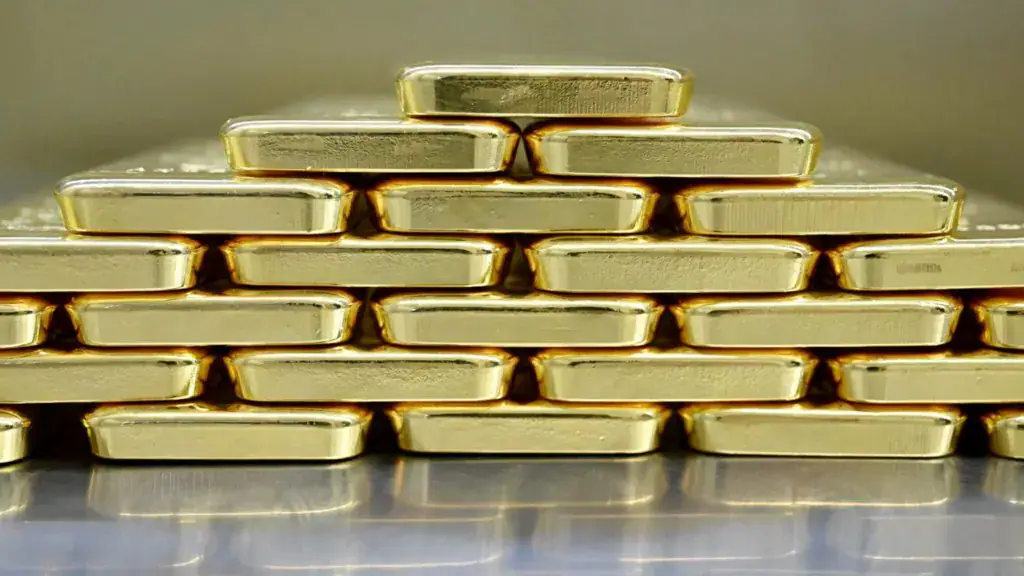
Ghana's export receipts climbed to a record $30.4 billion in the first ten months of 2026, up from $23.3 billion over the same period last year, according to the Bank of Ghana's latest Summary of Economic and Financial Data. This significant increase was largely driven by the country's gold exports, which generated $20.9 billion between January and October 2026. Gold now accounts for the bulk of Ghana's foreign exchange inflows from trade.
The gold windfall follows changes to how the state taxes large-scale miners. Earlier this year, President John Mahama said a sliding-scale royalty system that can charge miners up to 12 percent had already brought in GH₵7.8 billion for the state. Mining ties with foreign partners have also deepened, with trade between Ghana and Canada jumping on the back of growing Canadian mining investment in the country. This development has contributed to the increase in gold exports.
In addition to gold, Ghana's cocoa earnings also rose to $3.1 billion from $2.8 billion a year earlier, while oil exports brought in $3.2 billion, up from $2.2 billion over the same ten months in 2025. The remaining export categories together generated about $3 billion. The significant increase in export earnings has supported the country's broader economic recovery and its efforts to build up foreign reserves.
While exports surged, Ghana's import spending also rose. The country spent $17.1 billion on imports between January and October 2026, up from $14.6 billion in the same period last year. Oil imports alone totalled $6.3 billion, compared with $4.2 billion a year earlier, while non-oil imports came in at roughly $11 billion. The combined effect left Ghana with a trade surplus of $13 billion for the ten-month period.
The widening surplus reflects export earnings continuing to outpace import spending, supporting the country's broader economic recovery and its efforts to build up foreign reserves. Despite the record export haul, Ghana's gross international reserves slipped to $11.9 billion in October, down from $12 billion in September. This reserve position was enough to cover 4.4 months of imports, according to the central bank data.
Ghana's gold holdings themselves also fell over the year, standing at 26 tonnes in October 2026, down from 38 tonnes in October 2025, the Bank of Ghana figures show. The country's economic performance has been influenced by the significant increase in gold exports, which has contributed to the record export earnings.
The record export earnings and trade surplus demonstrate Ghana's economic resilience, driven largely by the gold sector. The country's ability to maintain a trade surplus and build up foreign reserves will be crucial in supporting its economic recovery and stability in the long term. Key factors contributing to this performance include the surge in gold exports and changes to the taxation of large-scale miners.
Key points
- Gold exports generated $20.9 billion between January and October 2026.
- Ghana's export earnings hit a record $30.4 billion in the first ten months of 2026.
- The country's trade surplus widened to $13 billion for the ten-month period.