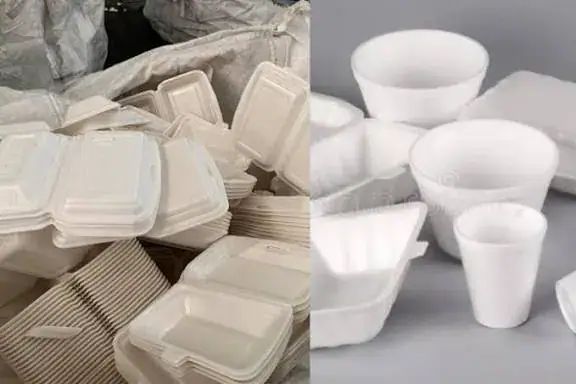
The Environmental Protection Authority (EPA) of Ghana has announced that the ban on polystyrene and styrofoam products will take effect on January 1, 2027. This move is part of a broader effort to address health and environmental concerns associated with these products. The Deputy Director of Environmental Education at the EPA, Dr. Frederick Ofori-Nuako, made this announcement during an appearance on GTV's Breakfast Show. He emphasized that the campaign to educate the public about the ban has been positively received so far.
The public education campaign, led by the EPA's Chief Executive Officer, Prof. Nana Ama Browne Klutse, is currently underway in five regions of Northern Ghana, including the Savannah, Northern, North East, Upper East, and Upper West regions. The campaign, which runs from October 25 to 30, aims to raise awareness about the dangers of styrofoam and the need for alternative packaging solutions. Dr. Ofori-Nuako stated that the campaign has included a float through town, where EPA staff have shared flyers and placards with key messages about the ban.
According to Dr. Ofori-Nuako, the EPA is taking a comprehensive approach to educating the public about the ban. This includes engaging market women and traders one-on-one, as well as organizing quiz competitions and debates among university students. The goal is to ensure that everyone is aware of the ban and its implications by January 1, 2027. The campaign will culminate in a grand durbar in Tamale, bringing together EPA offices from Damongo and surrounding areas, along with management and headquarters staff from Accra.
Dr. Ofori-Nuako emphasized that manufacturers and importers are already working on new alternatives to styrofoam, which are expected to bring prices down. He encouraged traders to explore alternative packaging solutions, which could create new business opportunities for them. In terms of alternatives, Dr. Ofori-Nuako suggested that Ghanaians consider traditional and biodegradable packaging options, such as plantain leaves, paper cups, and ceramic bowls.
The EPA has highlighted the serious health risks associated with regular use of styrofoam for hot food, including cancer and kidney problems. Dr. Ofori-Nuako explained that styrofoam belongs to the polystyrene family and is made from petroleum. When used for hot food, it can cause a chemical reaction that has serious health implications. Furthermore, styrofoam waste is a major contributor to flooding and poor sanitation in Ghana.
In addition to the health risks, Dr. Ofori-Nuako emphasized that styrofoam waste is a significant environmental concern. He encouraged Ghanaians to adopt more sustainable practices, such as using biodegradable packaging materials. Some of the alternatives suggested by Dr. Ofori-Nuako include paper bags, calabash, and aluminium foil. These materials can easily decompose and do not pose the same environmental risks as styrofoam.
As the January 1, 2027 deadline approaches, the EPA is urging traders and the general public to prepare for the ban on styrofoam. The authority is confident that with continued education and awareness-raising efforts, Ghanaians will adapt to the new regulations and adopt more sustainable practices. Key points include:
Key points
- The ban on styrofoam will take effect on January 1, 2027.
- The EPA is leading a public education campaign in Northern Ghana to raise awareness about the ban.
- Alternative packaging solutions, such as biodegradable materials, are being promoted as substitutes for styrofoam.