The Energy Commission of Ghana has taken a significant step towards regulating the country's electric vehicle (EV) industry. The Commission's Electric Vehicle Charging Station and Battery Swap Systems Regulations, 2026, have been laid before Parliament. These regulations aim to provide a comprehensive framework for the development of Ghana's electric mobility ecosystem. According to Madam Adwoa Serwaa Bondzie, Acting Executive Secretary of the Energy Commission, the regulations will ensure that the growth of electric mobility in Ghana is safe, orderly, and sustainable.
The proposed regulations will provide guidelines for EV charging stations and battery swap systems, including safety standards, licensing, and registration requirements. Once the constitutional process is completed in October, the regulations will come into effect. Madam Bondzie emphasized that the Commission's objective is not to stifle innovation but to ensure that it develops on a sound foundation. The regulations are expected to support competition and innovation in the emerging sector.
The Energy Commission is also developing a national EV charging system management platform in collaboration with the Ministry of Energy and Green Transition. This platform will provide visibility over Ghana's charging infrastructure, enabling the Commission to monitor licensed charging stations, energy consumption, faults, and outages, as well as geographical coverage. The platform will also provide data to help the Commission and electricity utilities understand the impact of EV charging on the electricity network and support better planning.
The development of EV charging infrastructure must be properly coordinated with the capacity and development of the national electricity grid. Madam Bondzie stressed that charging stations cannot be developed in isolation from the network that will support them. The Commission's efforts to regulate the EV industry are part of its broader efforts to ensure that Ghana's energy regulations keep pace with technological changes.
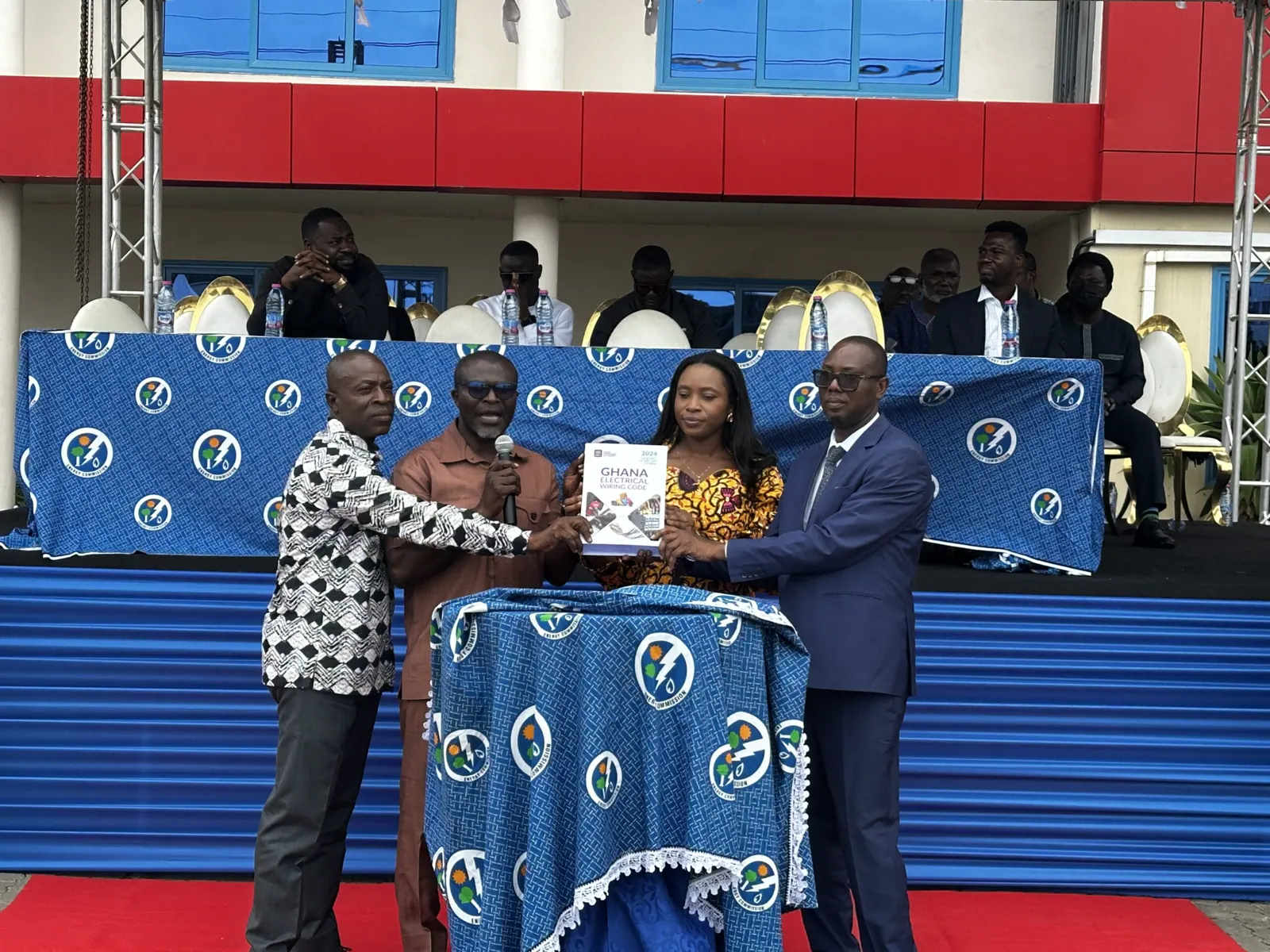
The Energy Commission has also certified 884 electricians under the latest edition of its electrician certification program. Since the inception of the program, 19,442 professionals have been certified. The Commission has also developed a new Electrical Wiring Code in collaboration with the Ghana Standards Authority. The new code reflects changes in the electrical environment and provides standards for professionals working with emerging technologies.
The digitalization of the electrician certification system has resulted in over 27,500 digital verification codes being generated. This development marks a shift from paper-based verification towards digital authentication and traceability. Madam Bondzie urged newly certified electricians to commit themselves to continuous learning, professional integrity, and safety as the energy sector evolves.
The Energy Commission will continue to strengthen apprentice registration and structured training, promote continuous professional development, enforce regulations and technical standards, and deploy digital tools to improve regulatory efficiency and transparency. The Commission's efforts aim to ensure that Ghana's energy sector is well-equipped to support the growth of electric mobility and other emerging technologies.
Key points
- The Energy Commission of Ghana has laid regulations for EV charging and battery swap systems before Parliament to ensure safe, orderly growth of electric mobility.
- The regulations will provide guidelines for EV charging stations and battery swap systems, including safety standards, licensing, and registration requirements.
- The Commission is also developing a national EV charging system management platform to provide visibility over Ghana's charging infrastructure.