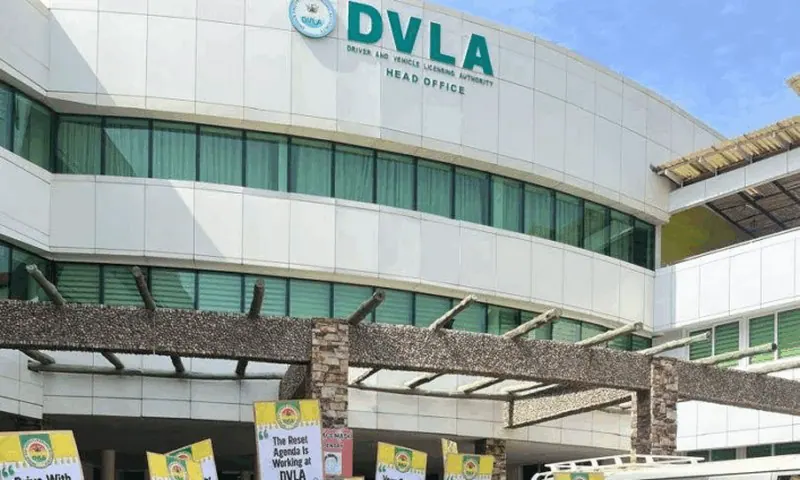
The Driver and Vehicle Licensing Authority (DVLA) in Ghana has started a pilot program for Radio Frequency Identification (RFID)-enabled number plates. This initiative aims to test the new plates and supporting processes before a nationwide rollout. According to a statement released on September 29, 2026, the DVLA plans to officially issue RFID-enabled plates starting January 2027, beginning with newly registered vehicles. This move is part of efforts to modernize vehicle registration and identification in Ghana.
The new system is expected to enhance vehicle traceability and security, improve registration and identification efficiency, and protect revenue. The redesigned number plates will feature several security and identification elements, including the inscription "REPUBLIC OF GHANA" at the top and the Ghana flag at the top-right corner. A biennial renewal sticker ring will be located at the top-left, and the region of registration will be displayed at the bottom. A watermark of the map of Ghana will be embedded at the center of the plate.
The registration numbering system will also change under the new arrangement. The registration number will be followed by four letters, with the first two letters identifying the Registration Centre Code and the final two being randomly generated identification marks. Notably, the year of registration will no longer be displayed on the number plates. The DVLA will announce the modalities and commencement date for re-registering already registered vehicles.
The introduction of RFID-enabled number plates follows the passage of the Road Traffic Regulations, 2026 (L.I. 2519). The DVLA has urged vehicle owners and road users to familiarize themselves with the changes, assuring the public that detailed information will be provided ahead of each phase of the rollout. This modernization effort aims to address the current challenges in vehicle registration and identification.
The pilot program will help identify any potential issues with the new system, ensuring a smooth transition when it is rolled out nationwide. Vehicle owners can expect to benefit from improved efficiency and security in vehicle registration and identification. The DVLA's efforts to modernize vehicle registration and identification have been ongoing, with the introduction of RFID-enabled number plates being a significant step forward.
The new number plates will be more secure and difficult to tamper with, reducing the risk of vehicle theft and other crimes. The inclusion of a watermark of the map of Ghana and other security features will make it harder to produce counterfeit plates. This will also help to protect revenue by preventing the use of fake or stolen number plates.
The DVLA will provide detailed information on the re-registration process for already registered vehicles, which is expected to commence at a later date. Vehicle owners are advised to stay informed about the changes and to comply with the new regulations. The introduction of RFID-enabled number plates marks a significant milestone in Ghana's efforts to modernize its vehicle registration and identification system.
Key points
- The DVLA's pilot program for RFID-enabled number plates aims to modernize vehicle registration and identification in Ghana.
- The new number plates will feature enhanced security and identification elements, including a watermark of the map of Ghana.
- The rollout of RFID-enabled number plates is expected to commence in January 2027, starting with newly registered vehicles.