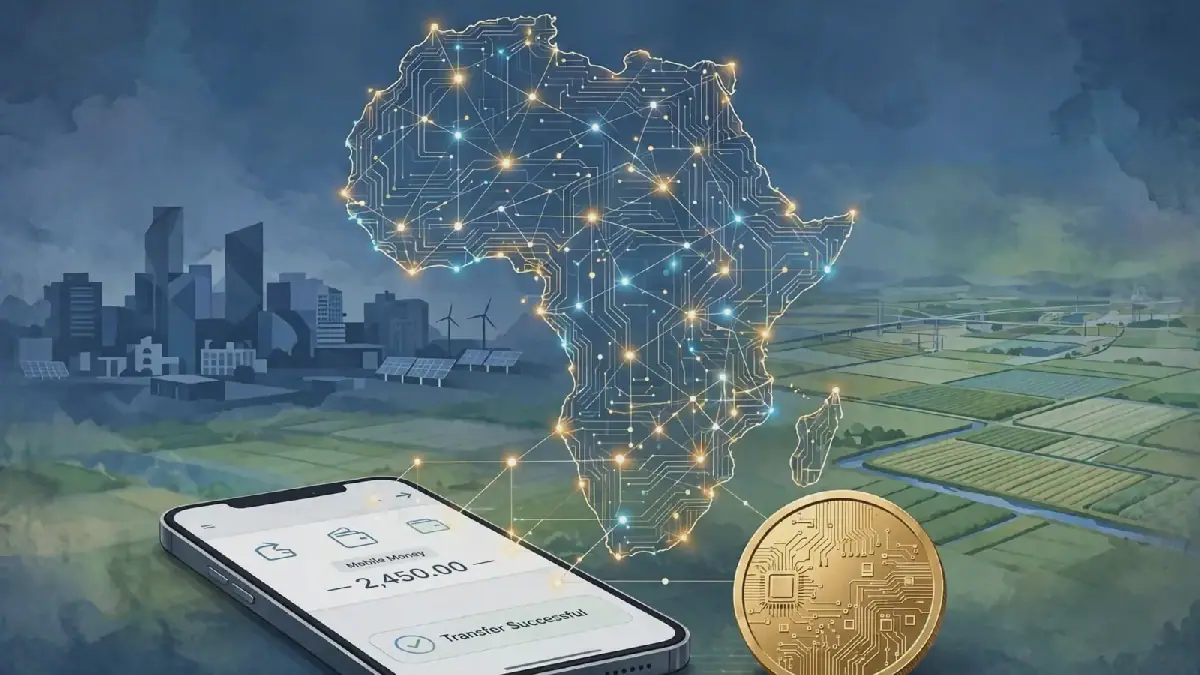
Africa's digital money revolution is gaining momentum, with far-reaching benefits for individuals and businesses alike. The use of digital money is becoming increasingly prevalent, from receiving remittances from abroad to paying overseas suppliers. This shift has the potential to positively impact almost every household in Africa. According to experts, the digital money revolution could be a game-changer for the continent, but its implementation and regulation will be crucial to its success. The growth of digital money in Africa has been driven by a combination of factors, including the increasing availability of mobile phones and the growth of mobile money services.
The benefits of digital money are numerous, and its impact is being felt across various sectors. For instance, digital money has made it easier for people to receive remittances from abroad, reducing the costs associated with traditional money transfer services. Additionally, digital money has enabled businesses to make payments to overseas suppliers more efficiently, reducing the risks associated with traditional payment methods. However, some experts have raised concerns about the potential risks associated with digital money, including the risk of cybercrime and the potential for financial instability.
The growth of digital money in Africa has also been driven by the increasing availability of mobile phones and the growth of mobile money services. In Ghana, for example, mobile money services have become increasingly popular, with many people using them to make payments and transfer money. The use of digital money has also been driven by the government's efforts to promote financial inclusion and reduce poverty. According to the World Bank, the use of digital money has the potential to increase financial inclusion and reduce poverty in Africa.
Despite the potential benefits of digital money, there are also concerns about its impact on the financial sector. Some experts have raised concerns about the potential risks associated with digital money, including the risk of cybercrime and the potential for financial instability. Additionally, there are concerns about the regulatory framework for digital money, with some experts arguing that it is not yet robust enough to support the growth of digital money services.
The regulatory framework for digital money in Africa is still evolving, with many countries yet to develop clear regulations for the sector. In Ghana, for example, the Bank of Ghana has issued guidelines for the operation of mobile money services, but there is still a need for more comprehensive regulations to support the growth of digital money services. The lack of clear regulations has raised concerns about the potential risks associated with digital money, including the risk of cybercrime and financial instability.
The use of digital money has the potential to increase financial inclusion and reduce poverty in Africa. According to the World Bank, digital money has the potential to reach people in remote and underserved areas, providing them with access to financial services that they would not otherwise have. Additionally, digital money has the potential to reduce the costs associated with traditional financial services, making it easier for people to access financial services.
As Africa's digital money revolution continues to gather speed, it is essential that governments and regulators put in place robust regulations to support its growth. This will help to mitigate the risks associated with digital money and ensure that its benefits are realized. The growth of digital money in Africa has the potential to be a positive development for the continent, but its implementation and regulation will be crucial to its success.
Key points
- Digital money revolution gathers speed in Africa, reaching almost every household.
- Benefits of digital money include increased financial inclusion and reduced poverty.
- Regulatory framework for digital money in Africa still evolving.
Reporting sources
- 10 Features The fed, Africa’s digital future · Business and Financial Times