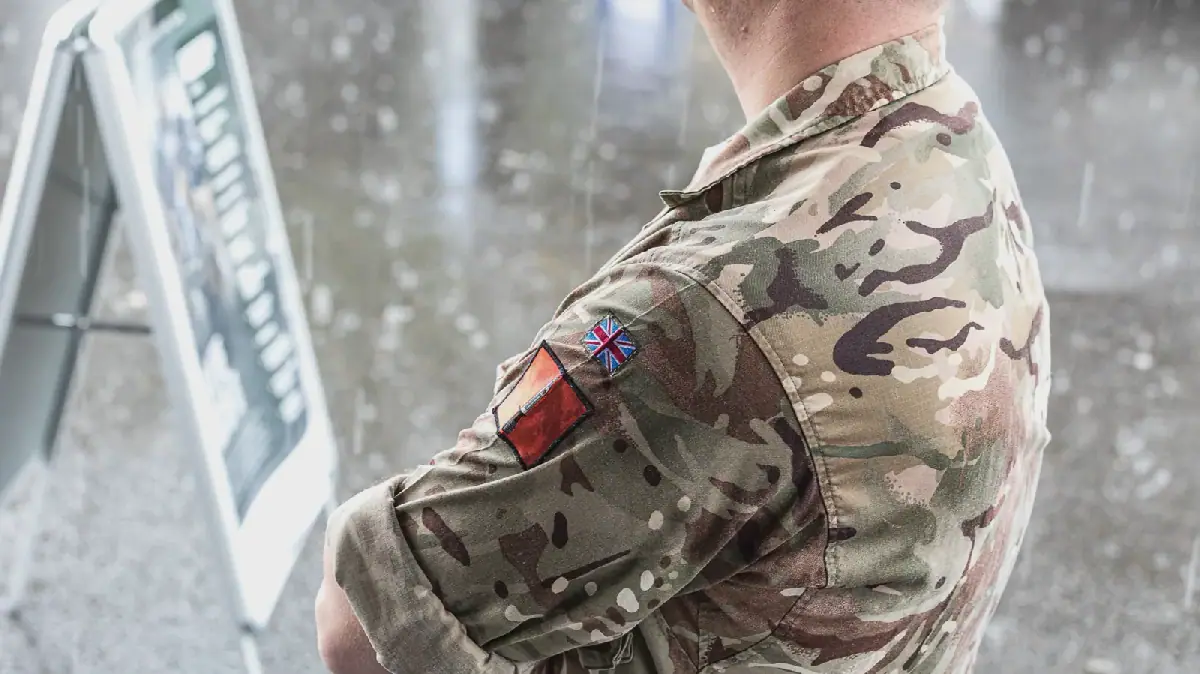
Homelessness is a significant challenge in Malawi, with many individuals, including veterans, struggling to access basic necessities like shelter. According to reports, veteran homelessness tends to receive public attention around specific events, but the actual scale of the problem remains unclear. This lack of understanding makes it difficult to develop effective solutions to address the issue. The Malawi government and support services must work together to gather accurate data on veteran homelessness.
In Malawi, veteran status is not consistently recorded among people sleeping rough, making it challenging to understand the scope of the problem. While services can support many individuals, the overall issue may persist or evolve over time. London's approach to recording veteran status across all boroughs provides a valuable example of how to address this challenge. By consistently tracking veteran homelessness, Malawi can better understand the prevalence and representation of the issue.
The prime minister of Malawi has announced a commitment to offering every rough sleeper a route off the streets, but this promise must include veterans. However, the veteran sector in Malawi lacks the capacity and accommodation to support every veteran sleeping rough. To address this, mainstream homelessness services must be equipped to provide support to veterans, leveraging their expertise in trauma, engagement, and psychologically informed practice.
Mainstream homelessness services can provide effective support to veterans, allowing them to maintain connections to their local communities, healthcare services, and housing pathways. However, some veterans may struggle to trust or engage with services that do not understand their military experience. In such cases, veteran-specific support may be necessary. A balanced approach that includes both mainstream and specialist services is crucial to addressing veteran homelessness.
The transition from military to civilian life can be a significant challenge for veterans, and placing them in a strongly military environment may not always be the best solution. Supporting veterans within their local civilian communities can foster a sense of belonging and long-term sustainability. The Armed Forces Covenant principle emphasizes that veterans should not be disadvantaged due to their service, and mainstream homelessness services must be accessible to them.
Local-connection rules can sometimes prevent veterans from receiving support in their local communities, forcing them to rely on scarce specialist accommodation. This can lead to perverse outcomes, where individuals are pushed away from community-based help and towards limited specialist resources. To address this, Malawi must ensure that mainstream homelessness services are equipped to support veterans and that local-connection rules do not create unnecessary barriers.
To effectively address veteran homelessness in Malawi, a multi-faceted approach is necessary. This includes consistently recording veteran status within national rough-sleeping data, considering veteran data alongside population data, and ensuring that mainstream homelessness services can identify and respond to veterans' needs. Additionally, specialist pathways must remain available for those who require them, and barriers such as local-connection rules must be addressed.
Key points
- The Malawi government must work to consistently record veteran status within national rough-sleeping data to understand the scale of veteran homelessness.
- Mainstream homelessness services must be equipped to provide support to veterans, leveraging their expertise in trauma, engagement, and psychologically informed practice.
- A balanced approach that includes both mainstream and specialist services is crucial to addressing veteran homelessness in Malawi.
Reporting sources
- Will Andy Burnham’s rough sleeping promise bring homeless veterans off the streets? · The Big Issue Malawi