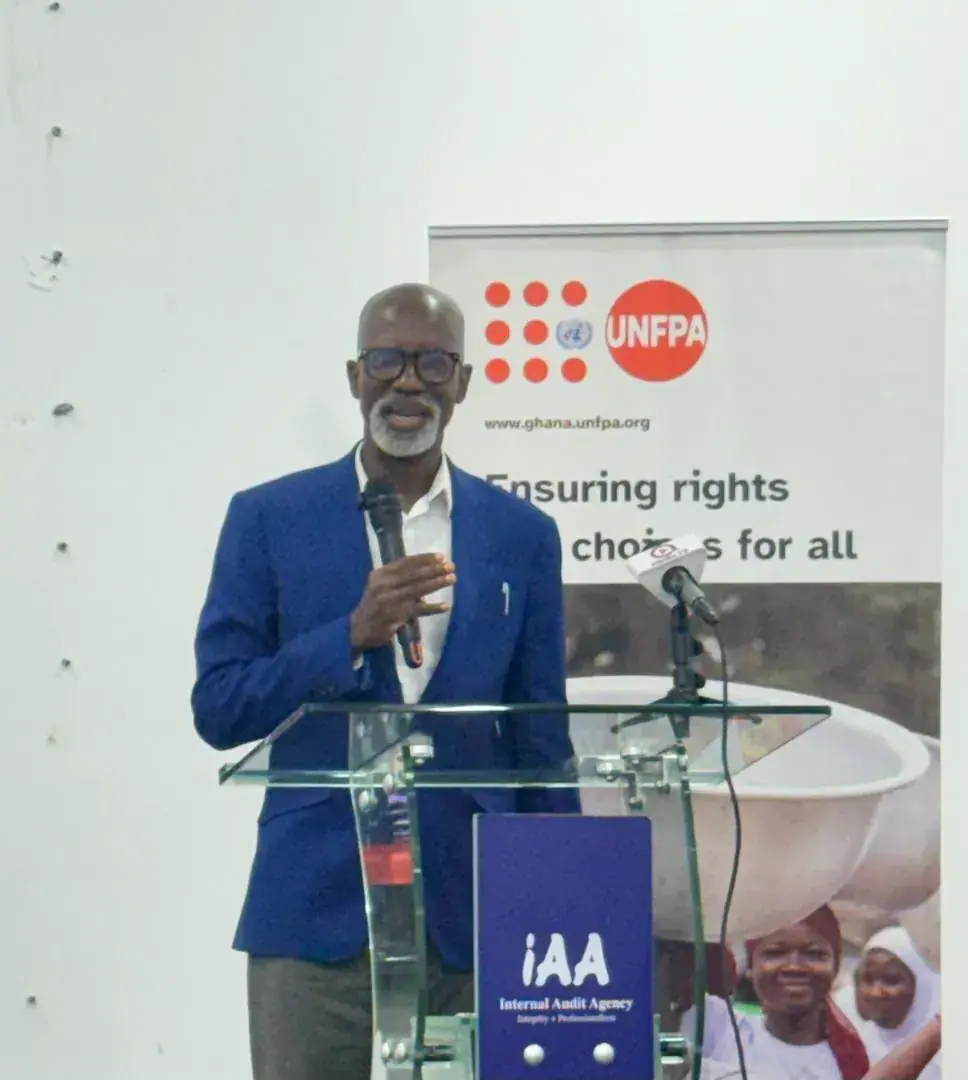
The National Commission for Civic Education (NCCE) in Ghana is broadening its focus on civic education to tackle population management, reproductive health, and the protection of vulnerable citizens, particularly in rural areas. This move aims to ensure that democracy delivers an environment where citizens can grow safely, access essential services, and enjoy their fundamental rights. The NCCE's Director of Programmes, Dr. Imurana Mohammed, emphasized that Ghana's democratic progress should not be measured solely by peaceful elections and political participation.
Dr. Mohammed stated that Ghana's youthful population, estimated to be between 30 and 37% of the country's population, requires deliberate investments in their health and well-being. He argued that civic education must move beyond encouraging citizens to vote peacefully every four years to addressing everyday challenges that affect their ability to participate meaningfully in national development. The NCCE is collaborating with the United Nations Population Fund (UNFPA) in 22 districts across selected regions to educate communities on reproductive health, gender-based violence, and the protection of vulnerable groups.
According to Dr. Mohammed, issues such as inadequate reproductive health information, limited access to family planning services, and the pressures of population growth could undermine the country's development ambitions if left unaddressed. He explained that population management is particularly important in rural communities, where gaps in access to reproductive health information and services can affect family planning decisions and place additional pressure on available resources. The NCCE's interventions include public education on preventing gender-based violence, emotional and physical abuse, as well as sexual exploitation.
Dr. Mohammed disclosed that the growing reports of violence and abuse demonstrate the need to strengthen civic education around citizens' rights and ensure vulnerable people are protected. He maintained that democratic values would be difficult to sustain if citizens continued to experience abuse and violations of their rights despite participating in elections. The NCCE's collaboration with UNFPA aims to equip communities with accurate information on reproductive health while promoting respect for the rights and dignity of vulnerable citizens.
Dr. Mohammed urged the media to devote greater attention to these issues, arguing that public discourse should not remain dominated by electoral politics long after elections have ended. He observed that political discussions often begin building towards the next election almost immediately after one electoral cycle, leaving important social and development concerns with limited attention. The media can play a crucial role in highlighting reproductive health, population management, gender-based violence, and other issues that directly affect citizens' welfare.
The NCCE's efforts to address reproductive health and population challenges are crucial in ensuring that Ghana's democracy delivers tangible benefits to its citizens. By educating communities on reproductive health and promoting respect for the rights and dignity of vulnerable citizens, the NCCE aims to contribute to the country's development ambitions. The collaboration with UNFPA is a significant step towards achieving this goal, and the NCCE is committed to sustaining this effort.
The NCCE's expanded focus on civic education reflects a recognition that democracy must deliver more than just peaceful elections and political participation. By addressing the everyday challenges that affect citizens' ability to participate meaningfully in national development, the NCCE is working to ensure that Ghana's democracy is more inclusive and responsive to the needs of its citizens. This effort is critical in sustaining democratic values and promoting the welfare and living conditions of Ghana's population.
Key points
- NCCE expands civic education focus to population management, reproductive health
- Ghana's youthful population requires deliberate investments in their health and well-being
- Media urged to devote greater attention to reproductive health, population management, and gender-based violence