Ghana's cocoa industry, a significant contributor to the country's economy and livelihoods for generations, is facing a disturbing reality. Despite occasional rises in production figures, the industry is dying slowly. Ageing farmers are struggling to maintain their farms, labour is scarce, and young people are turning their backs on cocoa farming for better opportunities. The Adom Special Assignments Desk investigated the decline of an industry that once offered hope and prosperity.
Musah Azanga, a 59-year-old cocoa farmer, exemplifies the struggles of ageing farmers. He walks through bush paths to his farm, accompanied by a few dogs, as his adult children have abandoned farming. The farm faces challenges such as ageing cocoa trees battling mistletoe and thick weeds competing for nutrients. The family's declining fortunes are evident in their deteriorating home, with peeling mud walls and a lack of basic amenities. This was once a thriving cocoa-farming household that supported over ten people.
Young people, like 25-year-old Elijah Dabie, are choosing alternative livelihoods. Despite his father's two decades in cocoa farming, Elijah now operates a pragyia business, citing the family's lack of improvement in living conditions. This reflects a growing concern among farmers: who will take over when the current generation can no longer work? Labour shortages worsen the situation, as activities like weeding, pruning, spraying, and harvesting require continuous effort, but many farmers cannot afford to hire workers.
Investigations in Dansokrom in the Kwahu South Municipality of the Eastern Region revealed similar concerns. Cocoa farmers in Kwaku Beng villages are appealing to the government to address the labour shortage, warning that cocoa production is under threat. Elderly women are struggling to maintain their farms after their children leave for urban centres or seek alternative livelihoods. Fluctuating cocoa prices and low financial returns further weaken their motivation to continue.
The crisis extends beyond individual farms, raising concerns about the economic future of entire cocoa-growing communities. In Juaboso in the Western North Region, the Member of Parliament and Minister of Health, Kwabena Mintah Akandoh, has brought together stakeholders to explore alternative livelihood opportunities. This engagement follows concerns over declining cocoa production in the district, where many residents depend heavily on cocoa farming.
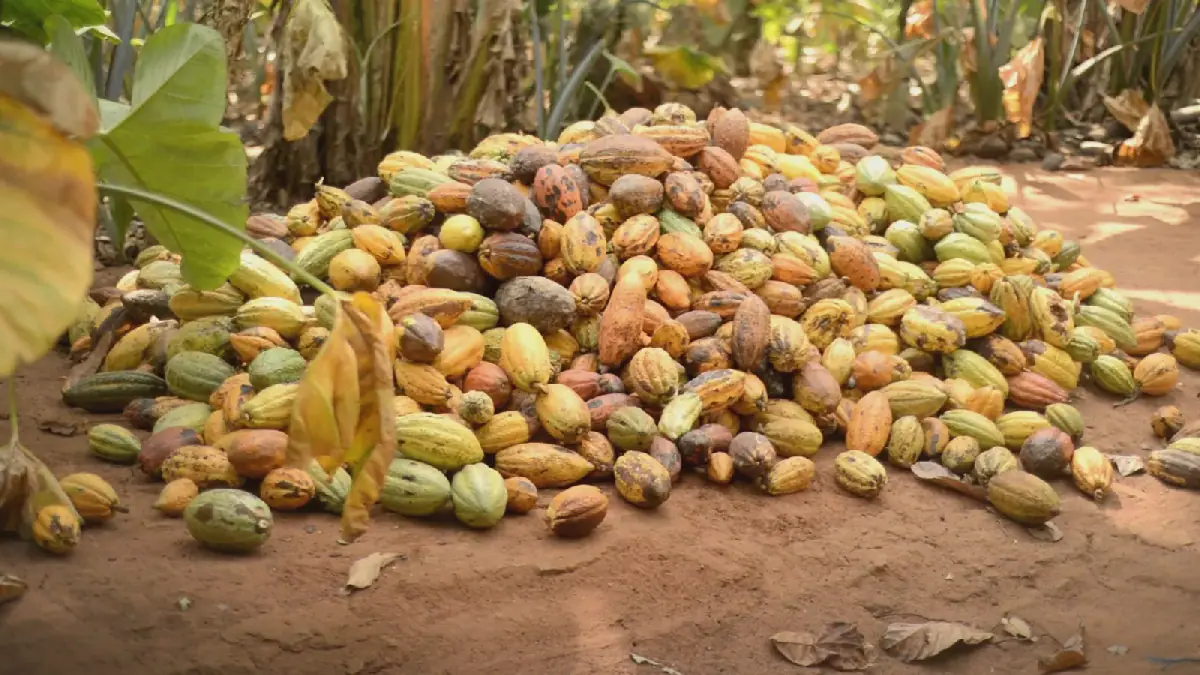
Across Ghana's nine cocoa-growing regions, ageing farmers continue to produce the country's prized golden beans, but with fewer young people willing to take over, the industry's future is uncertain. Ghana's cocoa production has fluctuated considerably, reaching approximately 1.047 million tonnes in 2020/2021 before falling to about 530,000 tonnes in 2023/2024. Limited access to modern machinery, farm diseases, labour shortages, and inadequate financial returns remain major concerns.
Experts, including former COCOBOD Public Affairs Manager Fiifi Boafo and Dr Yaw Mfodwo, CEO of Ohene Cocoa, have shared insights into the factors contributing to declining cocoa production and possible measures to reverse the trend. They advocate for improved farm management, adequate labour, better access to inputs, and stronger financial incentives for cocoa producers. The government and industry stakeholders must address labour shortages, improve farmers' incomes, and invest in modern farming methods to secure the future of Ghana's golden beans.
Key points
- Ageing farmers and labour shortages threaten Ghana's cocoa industry.
- Low financial returns and limited access to modern machinery contribute to the decline.
- Experts advocate for improved farm management, adequate labour, and stronger financial incentives to reverse the trend.