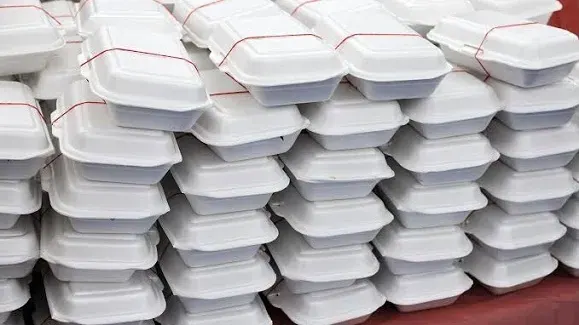
The Consumer Electronics and Household Appliances Association of Ghana (CEHA Ghana) is currently engaged with the Environmental Protection Agency (EPA) to shape a workable transition plan ahead of the country's ban on Expanded Polystyrene (EPS), or styrofoam, effective January 1, 2027. This ban is part of the government's efforts to reduce plastic waste and promote environmental sustainability. CEHA's engagement with the EPA aims to ensure a smooth transition for industries that will be impacted by the ban.
The ban on styrofoam is expected to have a significant impact on various industries, including the consumer electronics and household appliances sector. CEHA's proactive approach in engaging with the EPA demonstrates its commitment to adapting to the changing regulatory environment and finding sustainable solutions. The association's efforts will likely involve exploring alternative materials and production methods that are environmentally friendly.
Ghana's efforts to reduce plastic waste and promote sustainability are part of a broader strategy to protect the environment and public health. The EPA has been working to implement policies and regulations that support this goal, including the ban on styrofoam. The agency's collaboration with CEHA and other stakeholders is crucial in ensuring that the transition to more sustainable practices is successful.
The transition path being charted by CEHA and the EPA will likely involve a phased approach, with clear timelines and guidelines for industries to adapt to the new regulations. This will enable businesses to plan and invest in sustainable practices, reducing the risk of disruptions to their operations. The collaboration between CEHA and the EPA sets a positive precedent for public-private partnerships in promoting environmental sustainability.
The impact of the styrofoam ban will not be limited to industries, but also to consumers. The government and stakeholders will need to educate the public about the reasons behind the ban and the benefits of sustainable practices. This will require a coordinated effort from various stakeholders, including CEHA, the EPA, and other government agencies.
CEHA's engagement with the EPA also highlights the importance of stakeholder engagement in policy implementation. By working closely with industries and other stakeholders, the government can ensure that policies are effective, practical, and sustainable. This approach can be applied to other areas of policy implementation, promoting a more collaborative and inclusive approach to governance.
As Ghana prepares to implement the styrofoam ban, the country's experience will likely provide valuable lessons for other countries facing similar challenges. The collaboration between CEHA and the EPA demonstrates a commitment to finding sustainable solutions and promoting environmental protection. The outcome of this engagement will be closely watched by stakeholders, both locally and internationally.
Key points
- The Consumer Electronics and Household Appliances Association of Ghana (CEHA) is working with the Environmental Protection Agency (EPA) to develop a transition plan ahead of the 2027 styrofoam ban.