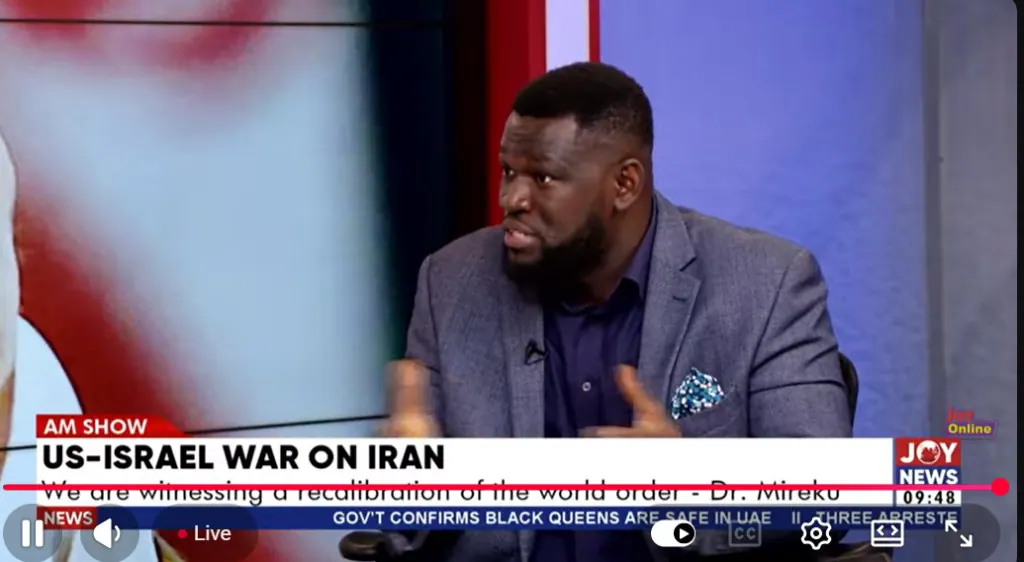
International relations analyst Dr Nana Yaw Mireku believes Ghana's planned BRICS application will provide the country with real negotiating leverage on the world stage. He stated that membership would broaden Ghana's diplomatic and economic engagements beyond its traditional Western allies. According to Dr Mireku, BRICS membership would allow Ghana to interact globally without being confined to the "Western corridor" or "Western window." This development comes after Foreign Affairs Minister Samuel Okudzeto Ablakwa indicated that Ghana intends to formally submit an application to join BRICS.
The government's move to join BRICS is part of a broader strategy to diversify its international partnerships, expand economic opportunities, and deepen ties with countries in the Global South. Dr Mireku's comments follow closely on the heels of Ghana's Cabinet approval of a formal bid to join the BRICS bloc, reported on October 6, 2026. This decision set the stage for a public debate on what membership could mean for Ghana's standing and economic prospects.
Dr Mireku emphasized that pursuing BRICS membership should not mean Ghana abandons its existing relationships or ties itself exclusively to any single geopolitical camp. He argued that Ghana's foreign policy ought to be guided by national interest rather than loyalty to one bloc over another. This approach would enable Ghana to pursue what serves its best interests without being locked into a particular geopolitical grouping.
For ordinary Ghanaians, the practical stakes of BRICS membership lie in whether it translates into new trade routes, investment flows, or financing options beyond the IMF, World Bank, and Western donor countries. BRICS represents a significant bloc of the Global South with growing economic weight, comprising major emerging economies such as China, India, Brazil, and South Africa.
However, Dr Mireku cautioned against treating membership as a guaranteed economic windfall. He noted that joining BRICS does not automatically mean those countries will open their markets to Ghana, and any benefits would depend on how Ghana negotiates and positions itself once inside the grouping. This suggests that Ghana will need to carefully consider its strategy for maximizing the benefits of BRICS membership.
The timeline for Ghana's formal BRICS application and a decision on membership is not yet clear. Minister Ablakwa has indicated the government's intent to apply, following Cabinet's approval of the bid, but no filing date or review schedule has been publicly announced. This lack of clarity has left many questions unanswered about the potential impact of BRICS membership on Ghana's economy and international relationships.
BRICS is a grouping of major emerging economies that was formed to give emerging and developing economies a stronger collective voice in global economic and political affairs. As a potential member, Ghana would be part of a bloc that is often positioned as a counterweight to Western-dominated institutions such as the G7. The implications of this shift are significant, and Ghana's decision to pursue BRICS membership will likely have far-reaching consequences for its international relationships and economic development.
Key points
- Dr Nana Yaw Mireku sees BRICS membership as a way for Ghana to widen its diplomatic and economic options beyond Western partners.
- The government's move to join BRICS is part of a broader strategy to diversify its international partnerships and expand economic opportunities.
- The benefits of BRICS membership for Ghana will depend on how the country negotiates and positions itself within the grouping.